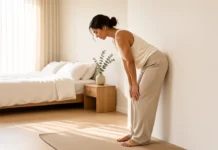
If you’re already thinking about the healthy habits to start 2026 with, here’s my first piece of advice as a trainer: don’t wait for the first of January. The best time to build a habit is a quiet, unremarkable week like this one, not a pressured New Year’s Day when half the country is attempting the same overhaul and most of it has fizzled out by February. Small changes you start now will already feel normal by the time the fireworks go off.
Quick answer: Healthy habits to start 2026 include beginning now with one small change, not a grand resolution. Move daily, walk more, strength train twice weekly, drink water first, keep a fixed wake time, stand hourly, add a vegetable portion, and check in mentally. A daily walk is the most important single habit.
As a REPs Level 3 personal trainer with a BSc in Sport Science from Brunel University, I have watched hundreds of women set big, dramatic resolutions and abandon them within weeks. The ones who actually change their lives do something far less exciting. They pick one small thing and repeat it until it’s boring. That’s the whole secret, and it genuinely works.
Why small habits beat big resolutions
Grand resolutions fail because they rely on motivation, and motivation is unreliable. It is high in January and gone by the first dark, rainy Tuesday. Habits work differently. Once a behaviour is automatic, it no longer needs willpower, which is why brushing your teeth takes no effort at all.
Here is the counterintuitive part that changes everything for my clients: motivation follows action, it doesn’t come first. You don’t wait to feel motivated and then move. You move, and the motivation shows up afterwards. That’s why starting absurdly small, so small it feels almost pointless, is the most effective thing you can do. Two press-ups. A five-minute walk. One glass of water before your coffee. The size doesn’t matter. The repetition does.
I worked with a client last winter who had tried and failed to start running every January for years. We ditched the running plan entirely and agreed she would simply put her trainers on and step outside the front door each morning, nothing more. Within a month she was walking twenty minutes without thinking about it, and by spring she was jogging, because the habit of showing up was already built. The behaviour came first, the fitness followed. That order is almost always the right way round.
Healthy habits to start 2026 with
None of these require a gym, a subscription or a personal trainer. Pick one or two to begin, not all of them, because stacking too many at once is the fastest route back to doing nothing.
Move a little, every single day
Daily movement matters more than the occasional heroic gym session. The NHS recommends adults aim for around 150 minutes of moderate activity a week, which you can read about in its physical activity guidelines. Broken down, that is just over twenty minutes a day, and a brisk walk counts. Consistency beats intensity every time.
Walk more than you think you need to
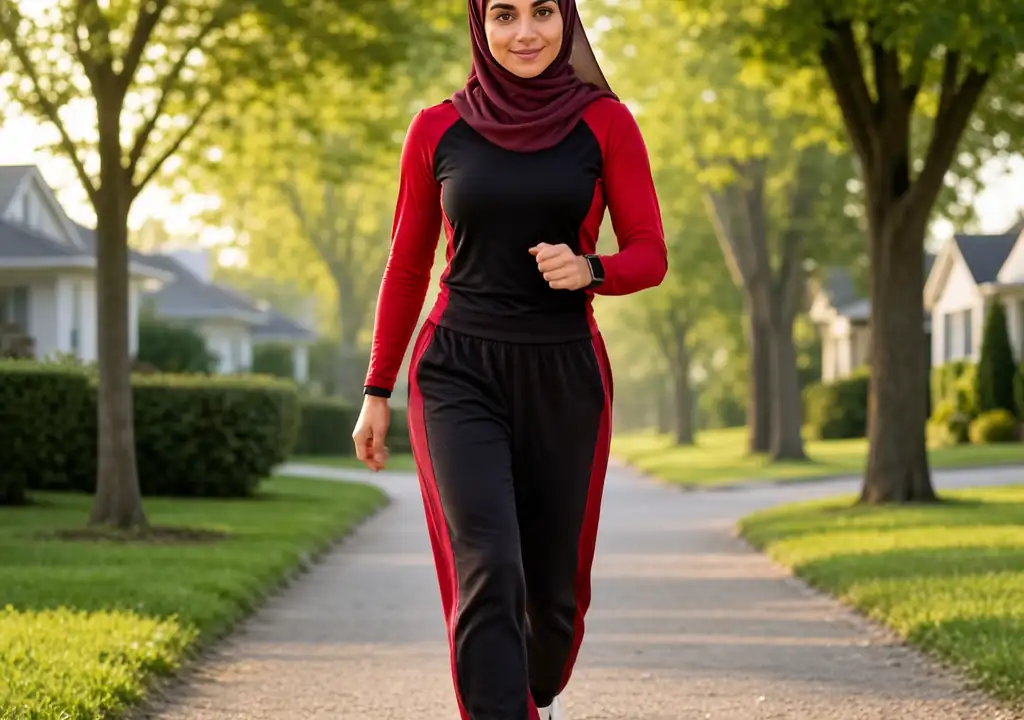
Walking is the most underrated exercise there’s. It’s free, it suits every fitness level, and it lifts your mood as much as your step count. Aim to add one short walk to your day, after lunch or after dinner, and build from there. On a dark winter evening, even ten minutes around the block helps.
Strength train twice a week at home
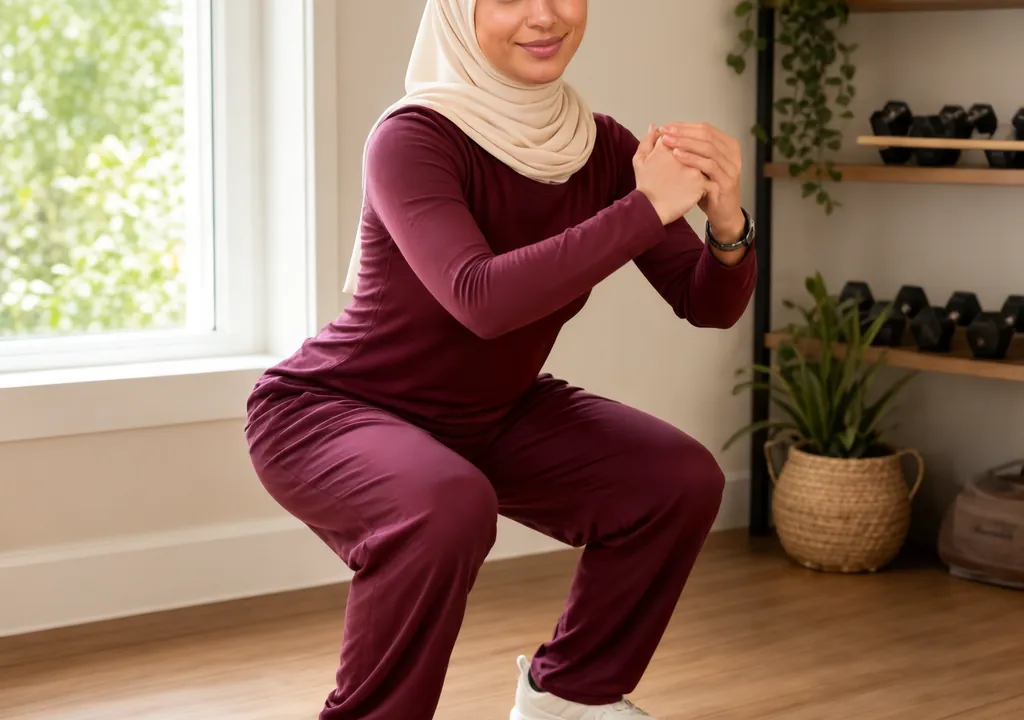
Strength work keeps women strong, protects bone density as we age, and you do not need equipment to start. Two short sessions of squats, press-ups against a wall, and glute bridges is plenty. If you want a structured starting point, our home workout for women beginners walks you through it, and our wall Pilates for beginners is a gentle, joint-friendly option.
Drink your water first
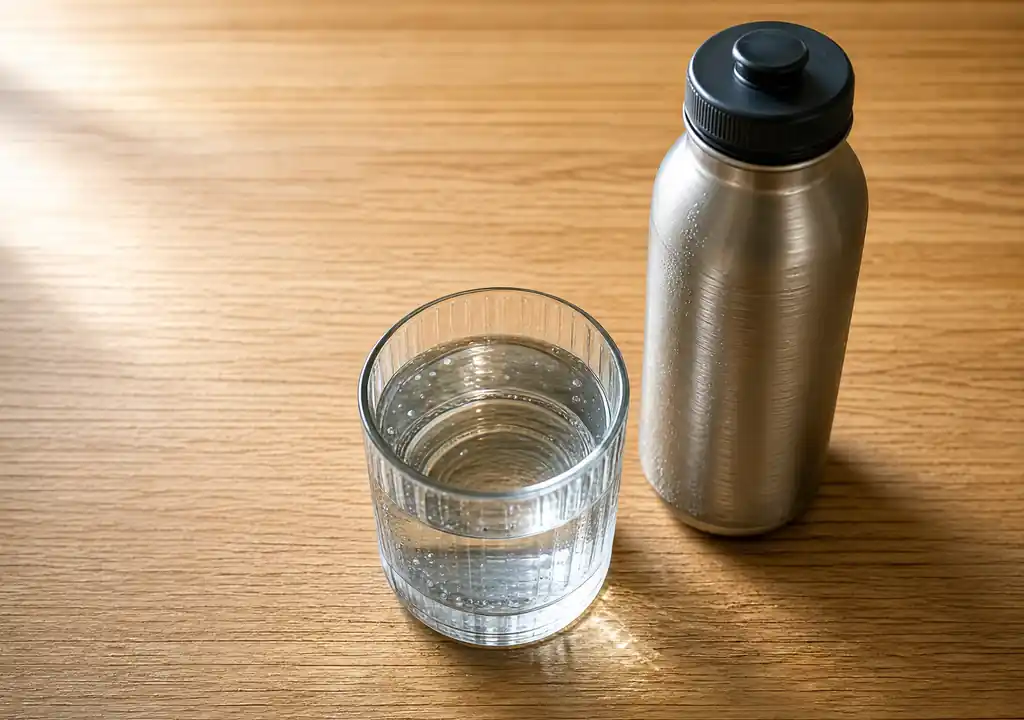
Most of us are mildly dehydrated without realising. It shows up as tiredness and headaches we blame on other things. Keep a bottle where you can see it and drink a glass before your morning coffee. It is the easiest habit on this list and the one people thank me for most, usually within the first week once the afternoon slump starts to lift.
Protect your sleep with a fixed wake time
Sleep underpins everything else. The single best thing you can do for sleep is to wake at the same time every day, weekends included. A steady wake time sets your body clock and fixes your bedtime on its own within a week or two. Dark winter mornings make this harder, so let in daylight the moment you’re up.
Stand up and move every hour
If you work at a desk, long unbroken sitting undoes a lot of good. You do not need a standing desk or a fancy tracker. Simply get up once an hour, stretch, walk to fill your water bottle, or do ten calf raises by the kettle. These tiny movement breaks add up across a day and keep your back and hips happier, something I remind every client who works from home.
Add one portion of vegetables a day
This is a behaviour, not a diet. Instead of overhauling how you eat, just add one extra portion of vegetables to a meal you already make, a handful of spinach in the pasta, some peppers in the wrap. Small additions are far easier to keep than strict rules, and they gradually crowd out less helpful choices without any sense of deprivation.
Take a daily mental check-in
Physical health is only half the picture. A two-minute pause to ask how you actually feel, a few slow breaths, or a short walk without your phone, does more for your wellbeing than any supplement. If your mood has been consistently low, treat that as seriously as any physical symptom.
If you only start one habit this year
People always ask me which one matters most, hoping for a secret. The honest answer is a daily walk, because it delivers almost everything that matters. It improves your fitness, lifts your mood, supports your sleep, gets you daylight in winter, and costs nothing. In my own week, a walk after dinner is the non-negotiable I protect above every gym session, because it is the one I never regret and never skip.
So if the whole list feels like too much, ignore the rest and commit to a short daily walk. Once that is automatic, add a second habit on top. It usually takes a few weeks. Stacking slowly, one secure habit at a time, is how real change is built.
How to make these habits stick, whatever your starting point
The same habit can be scaled to suit anyone, so here is how I would adjust these.
Easier version, for a complete beginner: shrink every habit until it feels too easy. A two-minute walk, five squats, one glass of water. The goal at first is simply to show up, not to tire yourself out. You can always build later.
Harder version, if you already move regularly: add structure. Progress your strength work by doing more repetitions or harder variations over time, which trainers call progressive overload, and lengthen your walks into proper thirty-minute efforts. Add a second weekly strength session.
Ramadan-safe version: during fasting, shift movement to after Iftar, wait at least two hours to let food settle, and keep the intensity gentle for the first week. Light stretching before Suhoor is plenty in the early morning. Hydrate well between Iftar and Suhoor, and consult your GP if you feel dizzy or weak while fasting.
A note on modest and home-based movement
Every habit here works whether you train at a gym, a women-only class, or your own front room, which matters if you prefer to exercise modestly or around prayer times. Home workouts mean full privacy and no clothing worries at all. If you do train in shared spaces, comfortable, covered activewear makes a real difference, and loose, breathable layers work well for both movement and modesty. Praying five times a day already builds natural pauses into your schedule, and those are perfect anchors for a new habit. Attaching a two-minute stretch to the time just after a prayer, for example, means you never have to remember it separately, because the prayer is already a fixed point in your day. Our guide to a good morning routine is a useful companion if you want to anchor these habits to the start of your day.
When healthy habits need extra support
Sometimes the thing standing between you and a healthier year isn’t willpower but something heavier, like persistent low mood, anxiety or exhaustion that rest doesn’t fix. If that sounds familiar, please reach out instead of pushing through alone. Mind UK has excellent resources at mind.org.uk, the Samaritans are available any time on 116 123, and your GP can refer you to NHS Talking Therapies. Looking after your mental health is a healthy habit in itself, and often the one that makes all the others possible.
Frequently asked questions
What healthy habits should I start in 2026?
Start with one or two small, daily habits rather than a long list. Daily movement, a short walk, drinking water before coffee, and a fixed wake-up time are the highest-impact and easiest to keep. Build from there once they feel automatic.
How long does it take to form a healthy habit?
Research suggests it varies widely, often somewhere between a few weeks and a couple of months, depending on the habit and the person. The key is repetition and keeping it small enough that you actually do it. Missing a day does not undo your progress, so just carry on.
Do I need a gym to get fitter in 2026?
Not at all. Bodyweight strength work, daily walks and home workouts build real fitness without any gym membership. A gym can help if you enjoy it, but it is never a requirement for a healthier year.
How do I stick to healthy habits in winter?
Make them tiny and tie them to something you already do, like a walk straight after lunch. Get daylight early, keep your schedule steady through the festive season, and forgive yourself the odd off day. Consistency over perfection is what wins.
How do I stay healthy during Ramadan?
Shift exercise to after Iftar, reduce intensity in the first week, hydrate well overnight, and prioritise sleep where the schedule allows. Gentle morning stretching before Suhoor is ideal. See your GP if you feel unwell while fasting.
Pick one habit from this list, make it so small it feels almost silly, and start it today rather than in January. That single change, repeated, will do more for your 2026 than any resolution you could write down.
Health & Fitness content at MyBreezyLife is created by our editorial team and reviewed by founder Noreen Fahad. This is general guidance only. Always consult a qualified professional for personal health advice. For mental health support, contact Mind UK at mind.org.uk or Samaritans on 116 123.