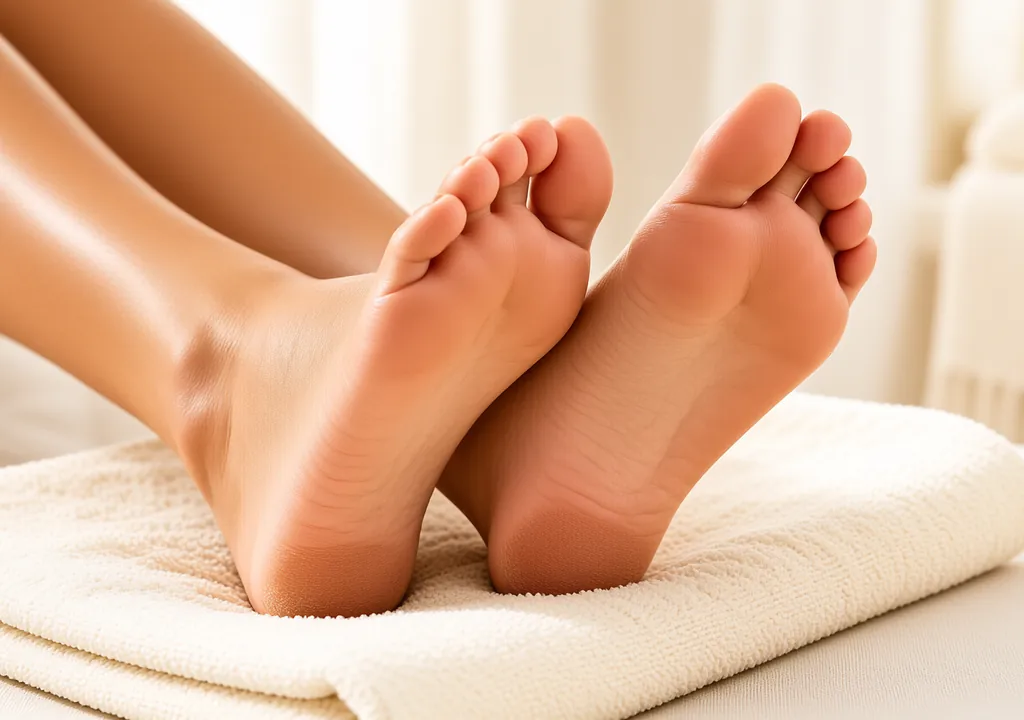
Learning how to get soft feet at home comes down to one thing most people get wrong: you cannot moisturise your way out of hard skin. As someone with a BSc in Cosmetic Science from the London College of Fashion at UAL, I promise you the richest foot cream in the world will sit uselessly on top of a callus if you have not removed the dead layer underneath first. Soft feet are the result of two steps working together, exfoliation and hydration, in that order. Get the sequence right and the change over a fortnight is genuinely surprising.
In this article
Our feet carry us around all day and get almost none of the attention we lavish on our faces. The skin on the sole is the thickest on the entire body, which is exactly why rough heels and hard patches build up so quickly, especially in sandal season.
Why Soft Feet Start With Dead Skin, Not Cream
The heel and ball of the foot are covered by a thick protective layer called the stratum corneum. Where the foot takes repeated pressure and friction, that layer thickens into calluses as a defence mechanism. This is normal and, up to a point, useful. The problem starts when the build-up gets dry, splits and turns into painful cracked heels.
According to the NHS, hard skin and calluses form in response to pressure and rubbing, and treating the cause matters as much as treating the skin itself (NHS, Corns and calluses). Persistently cracked or painful heels, particularly for anyone with diabetes, are worth showing to a GP or podiatrist instead of treating at home. For everyday rough, dry feet though, the fix is well within reach of your bathroom shelf.
The Science of How to Get Soft Feet at Home
There are two ways to shift dead skin: physical exfoliation and chemical exfoliation. Physical means a foot file, a pumice stone or a scrub that you rub over the skin to buff it down. Chemical means active ingredients that loosen the bonds between dead cells so they release on their own.
The two chemical actives worth knowing are urea and salicylic acid. Urea is a humectant that draws water into the skin and, at higher percentages of around 10 to 25 percent, also breaks down hardened keratin. Salicylic acid is a beta hydroxy acid that dissolves the glue holding dead cells together, which is why you see it in the better foot peels and renewing creams. In plain English, one softens and hydrates, the other exfoliates. The best routines use both.
Here is the counterintuitive bit, and it is the mistake I see most often. Aggressive filing does not give you softer feet. Strip away too much callus too fast and the skin responds by building it back thicker, so you end up in a filing loop. Gentle, consistent removal beats one brutal session every time.

My At-Home Pedicure Routine, Step by Step
I tested this exact routine on my own feet across three weeks in June, doing the full version once a week and the cream every night. By the end of the second week the hard edge along my right heel had gone completely soft, which for me is the reliable sign it works.
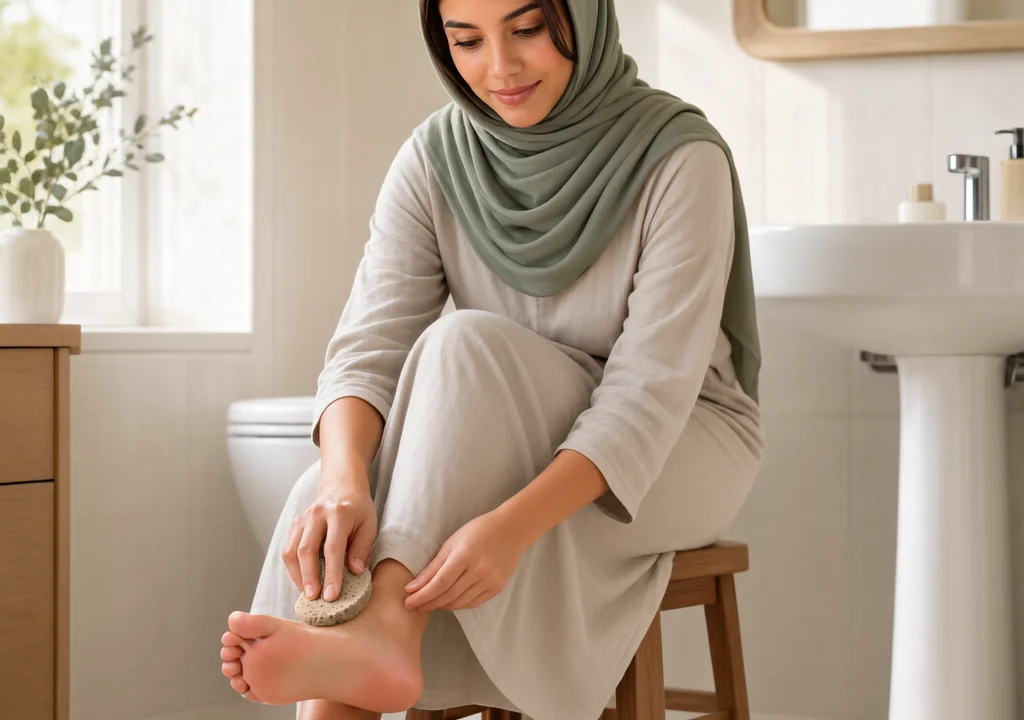
- Soak your feet in warm water for five to ten minutes to soften the surface. Longer is not better. Over-soaking waterlogs the skin and can leave it more prone to cracking.
- Use a foot file or pumice on damp, not soaking, skin. Work in light passes over the heel, the ball and any hard edges. Stop the moment the skin feels even, instead of trying to remove every last bit.
- Rinse and pat dry, paying attention to the gaps between the toes.
- While the skin is still slightly damp, apply a urea-based foot cream generously and massage it in.
- For an overnight treatment once a week, apply a thick layer of heel balm and sleep in cotton socks. You will notice the difference by morning.
That is the whole method. It takes about fifteen minutes and costs less than a single salon pedicure in central Birmingham, where I am based.
The DIY Foot Scrub, Updated
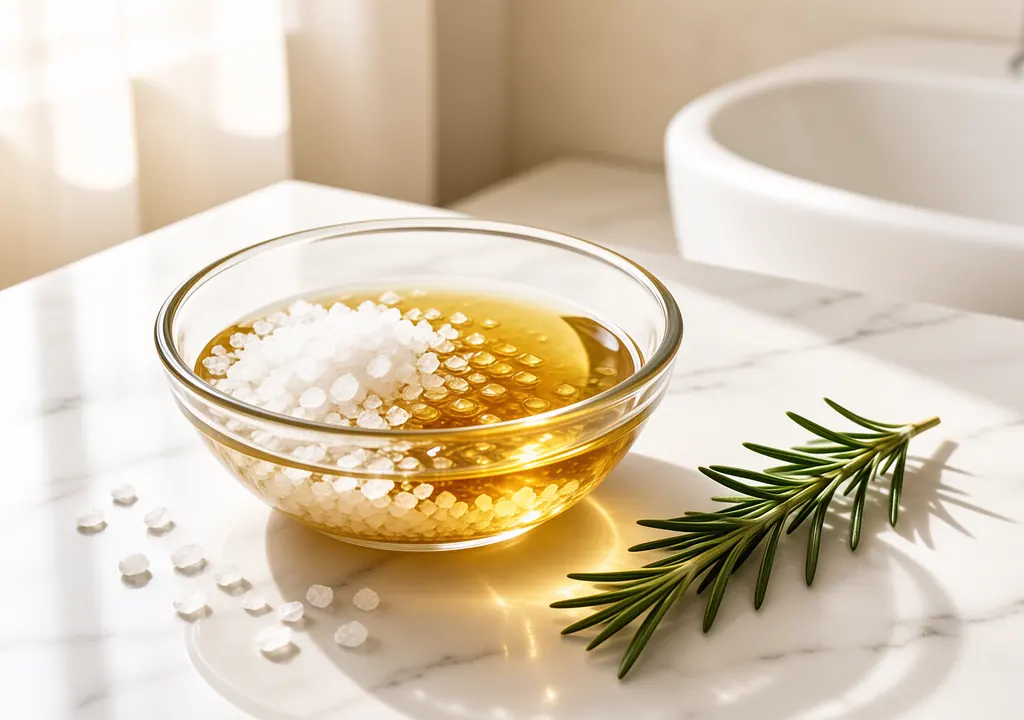
The original version of this article shared a simple homemade scrub, and it still has a place. Mix two tablespoons of fine sea salt with a tablespoon of a gentle oil such as sweet almond or olive oil, and a squeeze of fresh lemon for a little natural acidity. Massage it over damp feet in circular motions, then rinse and moisturise.
One honest caution I would add now that I did not years ago. Skip the lemon if you have any cuts, cracks or freshly filed skin, because citrus can sting and irritate broken skin. A salt and oil scrub alone is plenty. Think of the DIY scrub as maintenance between proper treatments rather than a fix for badly cracked heels, which really do need urea or salicylic acid to shift.
Best UK Products for Soft Feet
These are the products I keep coming back to, all available from UK retailers. Prices are correct at the time of writing and do move around with promotions.
- Flexitol Cracked Heel Balm with 25% Urea, 56g £7.00 contains 25 percent urea and is the one I reach for on genuinely hard heels. It works fast.
- CCS Professional Foot Care Cream 175ml £6.49 is a Swedish urea-based cream and the best value for daily softening. A little goes a long way.
- CeraVe SA Renewing Foot Cream 88ml £8.50 pairs salicylic acid with ceramides, so it exfoliates and protects the skin barrier at once. Ideal for bumpy, rough skin.
- Footner Exfoliating Socks £9.99 is a peel treatment you wear for an hour. Over the following week the old skin sheds and reveals smoother feet underneath. Do not use it right before a beach holiday, the peeling stage is not subtle.
- Dr. Scholl’s Callus Remover Electric Pedicure Foot File £17.42 at time of writing is a rechargeable electronic file if you prefer a quicker mechanical option to a manual pumice.
Halal and cruelty-free status: foot care formulas vary widely by brand, and none of the above are marketed as certified halal at the time of writing. If certification matters to you, verify current status directly with the brand, as formulations change. For a fully alcohol-free, plant-based option, brands such as PHB Ethical Beauty offer cruelty-free foot balms through UK stockists.
Foot Care, Wudu and Hijab-Wearing Women
Feet get more attention in a Muslim routine than in most, because they are washed during wudu several times a day. Frequent washing keeps feet clean but can also strip natural oils and leave the skin drier, which is exactly the condition that leads to rough heels. If that is you, the single most useful habit is to moisturise straight after your final wash of the day, sealing water into skin that is already damp.
One practical point on nail care alongside this. If you wear water-permeable, breathable nail polish for wudu, keep the skin around the nails soft too, so the whole foot looks cared for. My separate guide on how to fix cracked nails at home covers that side in more detail.
Frequently Asked Questions
How can I get soft feet at home fast?
For the quickest visible result, do a warm soak, a gentle file, then a thick layer of urea heel balm under cotton socks overnight. You will feel a real difference by the next morning, though badly cracked heels take a week or two of daily cream.
How often should I exfoliate my feet?
Once or twice a week is plenty for most people. Daily filing tends to backfire, prompting the skin to thicken. Moisturise daily, exfoliate weekly.
Do foot peel socks actually work?
They do. The acids in the treatment loosen dead skin so it sheds over the following week. They are best for smoothing all-over rough skin rather than deep cracks, and the peeling phase looks dramatic, so time it away from events.
What is the best cream for cracked heels in the UK?
A urea-based balm such as Flexitol or CCS is the reliable choice, both widely stocked at Boots. Urea at 10 to 25 percent both hydrates and softens hardened skin, which is what cracked heels need.
Why are my heels cracked even when I moisturise?
Almost always because there is a layer of dead callus that cream cannot penetrate. Exfoliate first to remove the hard skin, then moisturise, and the cream can finally do its job. If cracks are deep or painful, see a GP or podiatrist.
The Takeaway
Soft feet are not complicated. Remove the dead skin gently and consistently, then lock in moisture with a urea cream, and your heels will thank you within a fortnight. If you enjoyed this, my guides to scalp exfoliation, fading dark spots and building a calming self-care routine are good next reads.
Beauty & Wellness content at MyBreezyLife is created by our editorial team and reviewed by founder Noreen Fahad. Clinical claims are referenced. This article may contain affiliate links. We only recommend products we genuinely rate.