
A good non-comedogenic moisturiser for extremely oily skin can be the difference between skin that feels balanced by lunchtime and skin that is slick with shine an hour after you leave the house. If your face turns greasy almost as soon as you have cleansed it, you are far from alone, and you are not doing anything wrong. Oily skin is one of the most common and most misunderstood skin types I come across as MyBreezyLife’s Beauty and Wellness Editor, and as someone with a BSc in Cosmetic Science from the London College of Fashion at UAL, I want to give UK women a guide that is honest about what actually helps.
This time I have pulled together twelve formulas worth knowing, from a high-street staple under a fiver to a couple of premium gels, all tested on real skin rather than chosen from a press release.
What causes extremely oily skin

Excess oil usually comes down to a mix of genetics, hormones and your environment. If oily skin runs in your family, there is a fair chance you have inherited more active sebaceous glands. Hormonal shifts during puberty, your menstrual cycle, pregnancy or stressful weeks can crank up oil production, and warm, humid weather or city pollution makes everything shinier still.
Unlike dry or combination skin, very oily skin tends to produce sebum across the whole face, especially the T-zone of forehead, nose and chin. That extra oil can leave skin looking glossy, enlarge the look of pores and raise the risk of blackheads and breakouts. The reassuring part is that the right routine, built around a well-chosen moisturiser, keeps skin hydrated and far more comfortable.
If your cheeks feel tight while your T-zone shines, our skincare routine for combination skin UK walks you through balancing both zones.
Why a non-comedogenic moisturiser for extremely oily skin is a must
It is tempting to skip moisturiser entirely when your skin already feels greasy, but that is one of the quickest ways to make oiliness worse. A non-comedogenic moisturiser for extremely oily skin is formulated to hydrate without blocking pores, which is exactly what this skin type needs.
So what does non-comedogenic actually mean? A comedone is the technical word for a blocked pore, the kind that becomes a blackhead or a small bump. Non-comedogenic simply signals that a formula is designed to be less likely to clog. Here is the part the marketing rarely admits, and I think it matters: there is no single legal standard policing the term in the UK. Brands largely self-declare, so reading the ingredients list is more reliable than trusting the front of the bottle.
Heavier creams loaded with rich butters or occlusive oils tend to sit on oily skin, trapping sweat and sebum until pores congest. Lightweight, water-based formulas do the opposite. They hydrate the surface and then get out of the way.
For a closer look at the warning signs that a formula is wrong for you, see our guide to the signs your moisturiser is clogging pores.
Do you really need moisturiser for oily skin? The science
Yes, and the science is fairly settled. When skin is stripped and left dehydrated, it often responds by producing even more oil to compensate, which keeps the shine-and-breakout cycle turning. Hydration helps break that loop.
The NHS advises against harsh, drying skincare for oily and acne-prone skin, noting that over-cleansing can irritate the skin rather than help it. A gentle, non-stripping moisturiser supports the skin barrier instead of fighting it, and a healthy barrier is better at regulating moisture and keeping irritants out.
There is also published evidence that humectant ingredients hydrate effectively without raising comedogenic risk. A review in the Journal of Clinical and Aesthetic Dermatology highlighted hyaluronic acid’s hydrating benefits for a range of skin types, which is part of why it appears in so many oil-friendly formulas (you can read the paper via PubMed Central).
The message is simple. Do not skip moisturiser. Choose a light, non-comedogenic formula and use it consistently, morning and night.
How to pick the best non-comedogenic moisturiser for oily skin

With so many products promising shine-free hydration, the choice can feel overwhelming. These are the six things I check before recommending anything.
1. Oil-free, lightweight texture
Look for the words oil-free, water-based or gel on the label. These textures absorb fast and leave no film, which is ideal for midday shine control. Gel-creams and light lotions suit very oily skin far better than rich balms.
2. Genuinely non-comedogenic ingredients
Scan past the front-of-pack claim and read the actual list. Avoid common pore-cloggers such as coconut oil, cocoa butter and heavy mineral oil blends. Favour formulas that pair the non-comedogenic claim with a sensible ingredient list.
3. A barrier-friendly, balanced formula
Your skin’s surface is slightly acidic, and products aimed at oily or acne-prone skin are usually formulated to respect that. A balanced formula helps prevent the over-drying that triggers rebound oil.
4. Hard-working hero ingredients
Some actives earn their place for oily skin specifically: hyaluronic acid and glycerin for lightweight hydration, niacinamide to help regulate oil and refine the look of pores, and salicylic acid to keep pores clear. More on these in the next section.
5. Fragrance-free if you are sensitive
Fragrance can be a hidden trigger for redness and breakouts. If your skin flares easily, a fragrance-free formula is the safer choice.
6. SPF for the daytime
Oily, acne-prone skin is more prone to dark marks after a spot heals, so daily sun protection matters. A light SPF 30 or higher moisturiser, or a separate oil-free sunscreen, keeps things simple.
If you want budget-friendly options that tick these boxes, our roundup of the simple moisturiser for oily skin is a useful companion read.
Top ingredients to look for

What is inside the bottle matters as much as the label. These are the ingredients I look for in the best non-comedogenic moisturiser for extremely oily skin.
- Hyaluronic acid: a humectant that draws water into the skin and holds it there, leaving skin plump and comfortable without grease.
- Glycerin: another lightweight humectant that keeps skin soft and hydrated without adding oil.
- Niacinamide (vitamin B3): helps regulate sebum, calm redness and refine the look of pores. If you are weighing it against another active, our guide to niacinamide vs salicylic acid for oily skin breaks down which to use when.
- Salicylic acid: a gentle BHA that exfoliates inside the pore and clears excess oil and dead skin.
- Aloe vera: soothing and hydrating, with no greasy residue.
- Witch hazel: a natural astringent that can help with very oily, breakout-prone areas, though sensitive skin should use it sparingly.
- Squalane: plant-derived and lightweight, it mimics the skin’s own oils and supports the barrier without heaviness.
A quick tip from experience: patch test anything new on your jawline for 24 hours before committing it to your whole face.
How I tested these
I trialled the products in this guide on my own combination-to-oily skin across spring 2026, using one at a time on freshly cleansed skin morning and night, with each formula getting at least four weeks before I formed a view. My skin runs shiny across the T-zone and is prone to the odd hormonal breakout, so I watched closely for shine control, any pilling under SPF and makeup, and whether new congestion appeared along my jaw and hairline.
One counterintuitive thing stood out, and I know it sounds backwards: the cheapest products here held their own against the priciest for sheer wearability under foundation. Price and pore-friendliness genuinely do not always move together, which is why this list runs from under a fiver to the high forties rather than steering you straight to the dearest jar.
The best non-comedogenic moisturisers for oily skin: 12 UK picks
Here are twelve non-comedogenic moisturisers I would happily recommend for oily and extremely oily skin, from a high-street staple under a fiver to a couple of premium gels worth the splurge. I have grouped them by price so you can head straight to your budget, and every one is easy to find in the UK. Prices are approximate and move around with offers, so it is always worth a quick check before you buy.
Budget-friendly picks under £15
1. Simple Kind to Skin Hydrating Light Moisturiser
The budget hero of this list. Fragrance-free, light and gentle, it is ideal if you are not sure where to start and do not want to spend much. I keep one in my gym bag for after a workout.
Simple Kind to Skin Hydrating Light Moisturiser (125ml) | Amazon UK | around £2.49 | Shop on Amazon
2. The Ordinary Natural Moisturizing Factors + HA

A brilliant low-cost option. It uses natural moisturising factors, amino acids and hyaluronic acid to hydrate, plus a little ceramide support for the barrier. For very oily skin a thin layer is plenty.
The Ordinary Natural Moisturizing Factors + HA (100ml) | Amazon UK | around £10.26 | Shop on Amazon
3. La Roche-Posay Effaclar Mat+
Formulated for oily, blemish-prone skin with a mattifying finish that genuinely held back midday shine for me. A little goes a long way, so one tube lasts.
La Roche-Posay Effaclar Mat+ (40ml) | Amazon UK | around £11.67 | Shop on Amazon
4. Neutrogena Hydro Boost Water Gel
An oil-free, hyaluronic-acid gel with a refreshing texture. It layers neatly under SPF and makeup, which makes it a reliable daytime option for shine-prone skin.
Neutrogena Hydro Boost Water Gel (50ml) | Amazon UK | around £13.49 | Shop on Amazon
5. CeraVe Oil Control Moisturising Gel-Cream
A gel-cream built around niacinamide and ceramides, so it controls shine while supporting the skin barrier. It sank in within a minute on my skin and left no residue. A sensible first choice for most oily skin types.
CeraVe Oil Control Moisturising Gel-Cream (52ml) | Amazon UK | around £13.50 | Shop on Amazon
6. The Inkey List Omega Water Cream
A featherlight, water-based cream that hydrates without any heaviness. Good for oily skin that still feels tight after cleansing, and it layers cleanly under SPF.
The Inkey List Omega Water Cream (50ml) | Amazon UK | around £14.99 | Shop on Amazon
Mid-range picks, £18 to £32
7. PHB Ethical Beauty Balancing Moisturiser
A lighter natural option for oily and combination skin, and the standout choice for readers who want halal-certified, cruelty-free credentials. It feels comfortable without sitting heavy.
Where to buy: available from PHB Ethical Beauty and Holland & Barrett, around £18. (Not stocked on Amazon UK.)
8. Paula’s Choice Resist Youth-Extending Daily Hydrating Fluid SPF 50

A brilliant two-in-one for oily skin that wants sun protection without a greasy layer. The fluid texture sinks in fast and leaves a soft, near-matte finish, and the broad-spectrum SPF 50 means you can skip a separate sunscreen on low-key days. Antioxidants including vitamin C and green tea extract help defend against daily environmental stress.
9. Farmacy Daily Greens Oil-Free Gel Moisturiser

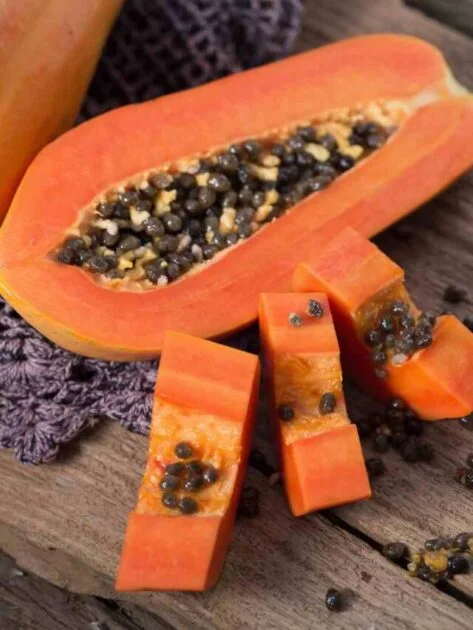
A lightweight gel that absorbs cleanly and leaves no residue. Moringa and papaya extracts help with shine and gentle exfoliation, while hyaluronic acid and polyglutamic acid lock in water for plumper-looking skin. It feels refreshing rather than rich, which is exactly what oily skin wants.
Farmacy Daily Greens Oil-Free Gel Moisturiser (50ml) | Amazon UK | around £30 | Shop on Amazon
10. Biossance Squalane + Probiotic Gel Moisturiser

This pairs squalane, which hydrates without breakouts, with probiotics that help soothe and support a calm complexion. The gel texture absorbs quickly and feels balanced, not heavy. It is also free from synthetic fragrance and parabens, so sensitive oily skin tends to get on well with it.
Biossance Squalane + Probiotic Gel Moisturiser (50ml) | Amazon UK | around £31 | Shop on Amazon
Premium picks, £38 and up
11. Dr.Jart+ Cicapair Gel Cream

A soothing option for oily skin that is also sensitive or redness-prone. Centella asiatica calms irritation and supports the barrier, glycerin hydrates without adding oil, and niacinamide helps regulate sebum and even out texture. The gel-cream feel is light enough for daily use.
Dr.Jart+ Cicapair Gel Cream (50ml) | Amazon UK | around £38 | Shop on Amazon
12. Kiehl’s Ultra Facial Oil-Free Gel Cream

A gel-cream that delivers proper hydration with none of the heaviness of a traditional cream. It is formulated to control shine and includes imperata cylindrica root extract, which helps draw in moisture, making it a comfortable pick if you live somewhere humid. After a long UK office day mine still felt fresh rather than tight.
Kiehl’s Ultra Facial Oil-Free Gel Cream (125ml) | Amazon UK | around £48.75 | Shop on Amazon
Make your own: non-comedogenic recipes for oily skin
If you prefer a natural approach or simply want control over what goes on your face, a few simple DIY blends can work for oily skin. Keep everything scrupulously clean, and patch test first.
Aloe vera gel and tea tree oil moisturiser
Aloe vera hydrates without any greasy residue, which makes it a long-time favourite for oily and breakout-prone skin. Combine a quarter cup of pure aloe vera gel with two or three drops of tea tree oil, which has natural antibacterial properties. Stir well, store in a clean airtight jar, and apply a thin layer after cleansing. Pair it with a gentle wash such as one from our best acne face wash for sensitive skin roundup.
Jojoba oil and lavender moisturiser
Jojoba closely mimics your skin’s own sebum, so it can help balance oil over time. Blend one tablespoon of jojoba oil with two drops of lavender essential oil for a calming effect, and press a few drops into the skin at night.
Grapeseed oil and shea butter blend
For occasional dry patches, gently melt two tablespoons of shea butter and mix in one tablespoon of grapeseed oil. Let it cool and solidify, then use a tiny amount only where skin feels tight. Both are generally well tolerated, though very oily skin should use this one sparingly.
A word of caution from experience: natural does not always mean non-irritating. Essential oils in particular can trigger reactions, so always patch test on your jawline and wait 24 hours.
Common mistakes to avoid with oily skin

A few habits quietly make oiliness worse.
Skipping moisturiser altogether is the big one. Without hydration, skin often overproduces oil to compensate. Reaching for heavy creams or facial oils is the opposite error, since rich textures can clog pores on this skin type. Avoid neglecting sunscreen, because unprotected sun exposure dehydrates skin and drives more oil while raising the risk of dark marks. Try not to swap products every few days either, as constant switching disrupts your skin’s balance before anything has a chance to work. Finally, do not ignore the ingredient list, where pore-cloggers such as coconut oil and lanolin like to hide.
Give any new moisturiser at least four weeks of consistent use before you judge it, since skin turnover takes roughly a month.
A note for hijab-wearing readers
Skin kept warm under a hijab can sweat and produce more oil, particularly along the hairline, temples and jaw during a long day or a hot commute. A fast-absorbing, non-comedogenic gel is your friend here, because it hydrates without leaving a film that mixes with sweat and sebum to block pores.
I would reach for the lighter gel textures above, such as the CeraVe gel-cream, the Neutrogena water gel or the Dr.Jart+ formula, and apply a thin layer well before you put your scarf on so it has time to absorb fully. If you notice congestion along the hairline, a salicylic acid cleanser two or three evenings a week helps keep that zone clear.
Halal and cruelty-free notes
For readers who prioritise halal beauty, PHB Ethical Beauty is halal-certified and cruelty-free, which makes it the clearest pick on this list. For the rest, look for alcohol-free formulas and check each brand’s current certification directly, as formulations change. The Ordinary, The Inkey List and Biossance are among the brands here with clearer cruelty-free positions at the time of writing.
Finding the right moisturiser for your oily skin
Choosing well is less about chasing a matte finish and more about supporting your skin’s health, balancing oil and preventing breakouts. The right formula feels light, absorbs quickly and keeps skin hydrated without clogging pores. Water-based gels and oil-free creams with hyaluronic acid, glycerin or niacinamide are your safest bet, and a simple DIY blend can work too if you patch test first.
Non-Comedogenic Moisturiser for Oily Skin: FAQs
Do I really need a moisturiser if I have extremely oily skin?
Yes. Oily skin can still be dehydrated, and skipping moisturiser often pushes the glands to produce more oil. A lightweight, non-comedogenic formula keeps skin balanced without adding grease.
What ingredients should I avoid if I have oily, acne-prone skin?
Steer clear of heavy oils such as coconut oil, rich butters such as cocoa butter, and ingredients like lanolin and petrolatum, which can clog pores. Look for oil-free, non-comedogenic formulas instead.
Can non-comedogenic moisturisers really help prevent breakouts?
They can help. By keeping skin hydrated and the barrier healthy, they reduce the over-production of oil that leads to clogged pores. They are not a standalone acne treatment, so pair one with a suitable active and see a GP for persistent or painful spots.
How do I know if a moisturiser is non-comedogenic?
Look for the term on the label, then check the ingredient list for lightweight humectants like hyaluronic acid or glycerin and the absence of known pore-cloggers. The claim is unregulated, so the ingredients are the real test.
How long until I see a difference?
Give a new moisturiser at least four weeks of daily use. Skin turnover takes around a month, which is a fair window to judge shine control and comfort.
The takeaway
The best non-comedogenic moisturiser for extremely oily skin is light, water-based and used consistently, so pick one texture you genuinely enjoy wearing and give it a full month before deciding.
Beauty and Wellness content at MyBreezyLife is created by our editorial team and reviewed by founder Noreen Fahad. Clinical claims are referenced. This article contains affiliate links. We only recommend products we genuinely rate. This is general guidance only. Always consult your GP or a qualified dermatologist for personal advice.