
Cycle syncing probiotics cortisol: it sounds technical, but it is one of the loudest wellness ideas on my feed this year and as a personal trainer I get asked about it almost weekly. The pitch sounds neat: match the probiotics you take to the phase of your menstrual cycle, calm your gut, and watch your stress hormone drop. I want to walk you through what is real here, what is marketing, and what genuinely moves the needle on cortisol. The honest answer is more useful than the hype.
As someone with a BSc in Sport and Exercise Science from Brunel University and a REPs Level 3 personal training qualification, I read the research on this so you don’t have to. Some of it is promising. Most of the specific claims are running well ahead of the evidence.
What Cycle Syncing Probiotics Cortisol Actually Have to Do With Each Other
Let me define the three pieces, because they get tangled together online. Cortisol is your main stress hormone. It follows a daily rhythm, rising in the morning to help you wake and falling through the evening, and it spikes when you are under pressure. That rhythm matters more than any single number.
Cycle syncing is the practice of adapting your food, training and habits to the four phases of your menstrual cycle: menstrual, follicular, ovulatory and luteal. Your hormones genuinely do shift across these phases, so the underlying idea isn’t nonsense. The problem is the specificity of some claims, like taking one probiotic strain on day 3 and another on day 18, which the science simply doesn’t support yet.
Probiotics are live bacteria that, in the right strains and doses, can support your gut. The gut and the brain talk to each other constantly through what scientists call the gut-brain axis, partly along the vagus nerve. That connection is why researchers started asking whether certain bacteria, sometimes nicknamed psychobiotics, could influence mood and stress at all.
The Counterintuitive Truth About Chasing Lower Cortisol
Here is the observation I wish more wellness content led with. Trying to micromanage your cortisol can become a stressor in itself. I have worked with clients who tracked their stress hormone so obsessively that the tracking became the anxiety. Cortisol is not a villain. You need it. The goal is a healthy rhythm, not the lowest possible level.
The gut-brain link is real, and there’s early evidence that specific probiotics can nudge stress markers. According to a 2011 study published in the British Journal of Nutrition, a specific combination of Lactobacillus helveticus and Bifidobacterium longum, taken daily for 30 days, was linked to a modest drop in a urinary marker of cortisol in a small group of healthy volunteers. That’s genuinely interesting. It’s also one small study, on two named strains, at one dose. It doesn’t mean any probiotic, timed to any cycle phase, will lower your stress.
What Actually Lowers Cortisol, According to the Evidence
The unglamorous levers are the ones with the strongest backing, and they cost nothing. Sleep is the biggest. Poor sleep raises cortisol the next day, so protecting your sleep does more for your stress hormone than any supplement I know of.

Movement matters, but the type matters more. Gentle, steady movement lowers cortisol, while punishing high-intensity sessions can raise it temporarily, which is why rest and easy days are part of a smart plan and not a cop-out. The NHS recommends adults aim for at least 150 minutes of moderate activity a week, and you can read the official guidance on the NHS exercise pages. A daily walk counts.
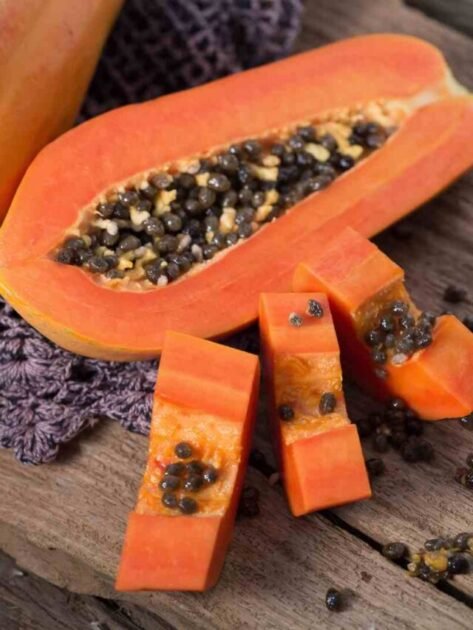
Diet plays a role too, and this is where the gut piece earns its place honestly. A varied, fibre-rich diet with plenty of plants feeds a healthier gut microbiome far more reliably than a single capsule does. Fermented foods like natural yoghurt, kefir and kombucha are a low-risk, food-first way to support your gut. I’d reach for those before an expensive strain-specific protocol.
A Simple Cortisol-Friendly Daily Rhythm
Sync your habits to your body’s daily rhythm instead of syncing pills to your calendar. This is the routine I actually use and recommend.

Morning: get daylight on your face within an hour of waking, even from a window, to support your natural cortisol rhythm. Ten minutes of gentle stretching beats scrolling in bed.
Midday: a brisk walk, ideally outdoors. In my own week I do a 20-minute loop around my area in Haringey after lunch, and it resets my whole afternoon.
Evening: wind down properly. Dim lights, screens away an hour before bed, and something calming. This is where sleep, and therefore your cortisol, is won or lost.
Modifications
Easier version: start with just the morning daylight and a five-minute stretch. One habit, done daily, beats five habits you abandon by Wednesday.
Harder version: add two short strength sessions a week, since building muscle supports better stress resilience and blood sugar control over time.
Ramadan-safe version: shift the brisk walk to after Iftar, wait at least two hours after eating before anything more vigorous, and hydrate well between Iftar and Suhoor. Keep intensity gentle, especially in the first week. Consult your GP if you experience dizziness or weakness while fasting.
Cycle Awareness Without the Overwhelm
You don’t need a complicated protocol to work with your cycle. In the luteal phase, the week or so before your period, many women feel more tired and more sensitive to stress, so that’s a sensible time to lean into gentler movement and protect your sleep. In the follicular phase, after your period, energy often climbs, so it can be a good window for more challenging training. That’s cycle awareness, and it’s helpful. Timing probiotics to specific days is where I would save your money.
If your mood or stress feels unmanageable at any point in your cycle, that is worth taking seriously, not something to supplement away. Mind UK has excellent resources at mind.org.uk, and the Samaritans are there on 116 123 if you need to talk to someone today.
Here is the four-phase picture in plain, practical terms, without a single pill schedule attached.
The four phases, practically
During your period, the menstrual phase, energy is often at its lowest. Gentle walking, stretching or restorative yoga is plenty, and this is a good week to prioritise rest and warmth over pushing for a personal best.
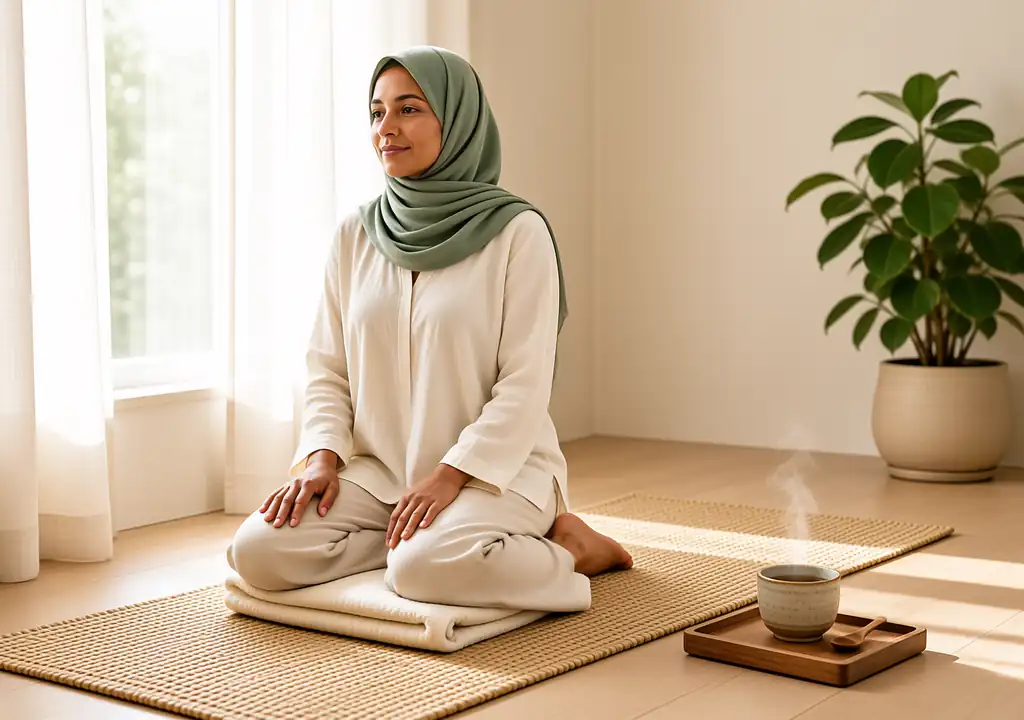
In the follicular phase, the roughly one to two weeks after your period, oestrogen rises and most women feel their energy and motivation climb. If you want to try a harder workout or add a new challenge, this is usually the friendliest window for it.
Around ovulation, energy and mood often peak, so it can be a natural time for your most sociable, higher-effort sessions. Listen to your body rather than a chart, though, as everyone is different.
In the luteal phase, the week or so before your period, many women feel more tired, hungrier and more sensitive to stress. Steady, moderate movement, extra sleep and a little more compassion with yourself go a long way. Cycle awareness at its most useful, and it costs nothing.
The Modest Fitness Note
For women who train modestly, the good news is that everything here works in a living room, a garden or a women-only space, with no need for a gym. A daily walk in loose, breathable activewear, some gentle strength work at home and a proper wind-down routine ask nothing of your wardrobe or your schedule beyond consistency.
If you exercise around prayer times, the midday walk slots neatly between Dhuhr and Asr, and gentle evening movement sits well after Maghrib. Modest activewear from Decathlon UK starts at very reasonable prices, and specialist brands like Covered Active do longer-line tops if you want more coverage while you move.
IECCP Women’s Long Sleeve UPF 50+ Workout Top £9.99 at time of writing
Amazon Essentials Women’s Fleece Cuffed Jogging Bottoms £13.50 at time of writing
Where This Sits Alongside Our Other Guides
If stress is your main concern, start with our practical guide on how to reduce stress naturally and pair it with how to improve sleep quality, since sleep is the single biggest cortisol lever. For gentle movement that supports a calmer nervous system, my zone zero training piece explains why easy sessions matter. A steady morning routine for women helps anchor your cortisol rhythm. If you want to slow down further, our yoga and meditation for beginners guide is a calm place to start.
Frequently Asked Questions
Can probiotics really lower cortisol?
Some specific probiotic strains have been linked to modest reductions in stress markers in small studies, including a 2011 British Journal of Nutrition trial on a Lactobacillus helveticus and Bifidobacterium longum combination. The evidence is early and strain-specific, so probiotics are best seen as one small, optional part of managing stress, not a proven treatment.
Is cycle syncing backed by science?
Your hormones genuinely fluctuate across your menstrual cycle, so adapting your energy expectations and training intensity to how you feel in each phase is reasonable. The more detailed commercial protocols, like timing specific supplements to specific cycle days, are largely unproven. Cycle awareness is useful. Rigid cycle syncing is mostly marketing.
What is the fastest way to lower cortisol naturally?
There is no instant fix, but the strongest evidence points to good sleep, regular gentle movement such as walking, time outdoors, and relaxation practices like breathing exercises. A varied, fibre-rich diet supports your gut, which plays a supporting role. These basics outperform any single supplement.
Should I take probiotics for stress?
If you want to try them, a food-first approach through natural yoghurt, kefir or kombucha is a sensible, low-risk start. If you choose a supplement, look for named strains studied for mood and stress, and speak to your GP or a pharmacist first, especially if you have any health condition or are pregnant.
Does stress affect the menstrual cycle?
Yes. High or chronic stress can disrupt your cycle, affecting its length or regularity, because the systems that manage stress and reproductive hormones are linked. If your cycle changes noticeably or stops, that is worth a conversation with your GP.
The Takeaway
Protect your sleep, move gently every day and eat plenty of plants, and you will do far more for your cortisol than any probiotic timed to your cycle ever could.
Health & Fitness content at MyBreezyLife is created by our editorial team and reviewed by founder Noreen Fahad. This is general guidance only. Always consult a qualified professional for personal health advice. For mental health support, contact Mind UK at mind.org.uk or Samaritans on 116 123.
This article contains affiliate links. If you buy something through one of them we may earn a small commission, at no extra cost to you.