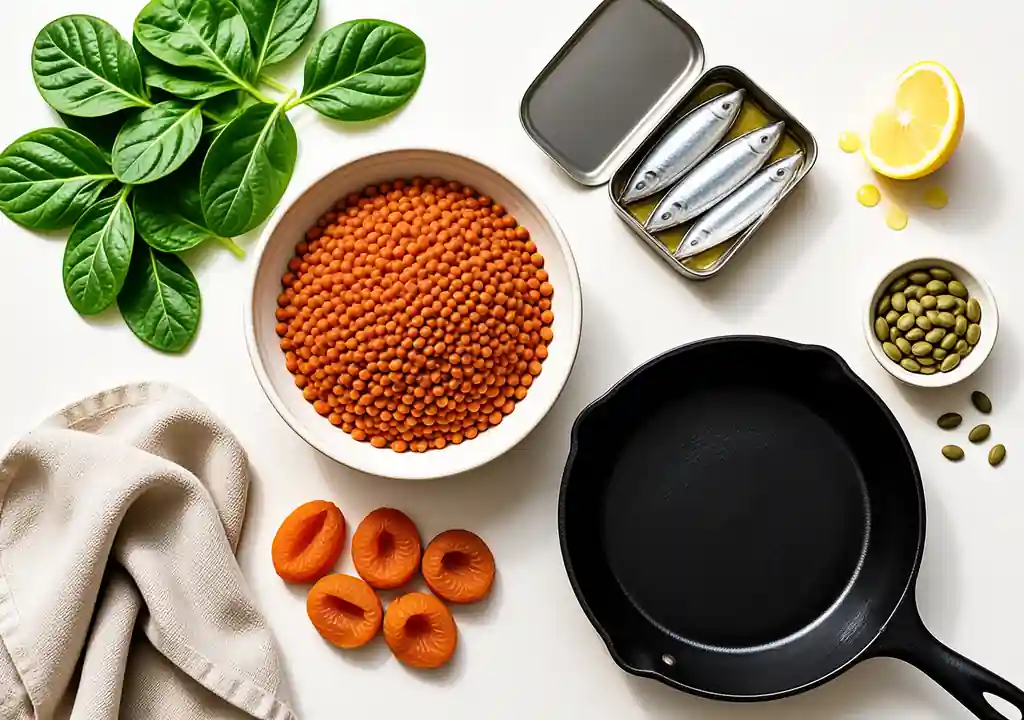
Iron rich foods for women UK shoppers can find in any supermarket are the simplest fix for one of the most common nutritional gaps I see, and most of them cost pennies. Tiredness that sleep does not touch, feeling cold, looking pale, breathlessness on the stairs: low iron is behind more of these than people realise, and women are far more likely to run short than men. The good news is that a few deliberate choices at the supermarket usually sort it.
I am James Okafor ANutr, a Registered Associate Nutritionist, and in my years working alongside NHS dietitians in Birmingham, iron came up in clinic constantly, especially with women of childbearing age. I cook iron-smart meals for my own family every week, so this is practical kitchen advice, not a lecture.
Why iron matters so much for women
Iron makes haemoglobin, the part of your red blood cells that carries oxygen around your body. Run low and your cells get less oxygen, which is why fatigue is the first and loudest symptom. Women need more iron than men for a straightforward reason: monthly blood loss. The NHS sets the requirement for women aged 19 to 49 at 14.8 mg a day, nearly double the 8.7 mg men need, and it drops back to 8.7 mg after menopause.
Pregnancy, heavy periods and a vegetarian or vegan diet all push the need higher or make shortfalls more likely. This is general guidance and not a diagnosis, so if you are regularly exhausted, see your GP for a simple blood test instead of guessing. You can read the full detail in the NHS guidance on iron.
Haem and non-haem iron explained simply
Here is the one piece of science worth knowing, because it changes how you shop. Dietary iron comes in two forms. Haem iron is found in meat and fish, and your body absorbs it easily. Non-haem iron is found in plants, and your body absorbs far less of it, sometimes only a tenth as much.
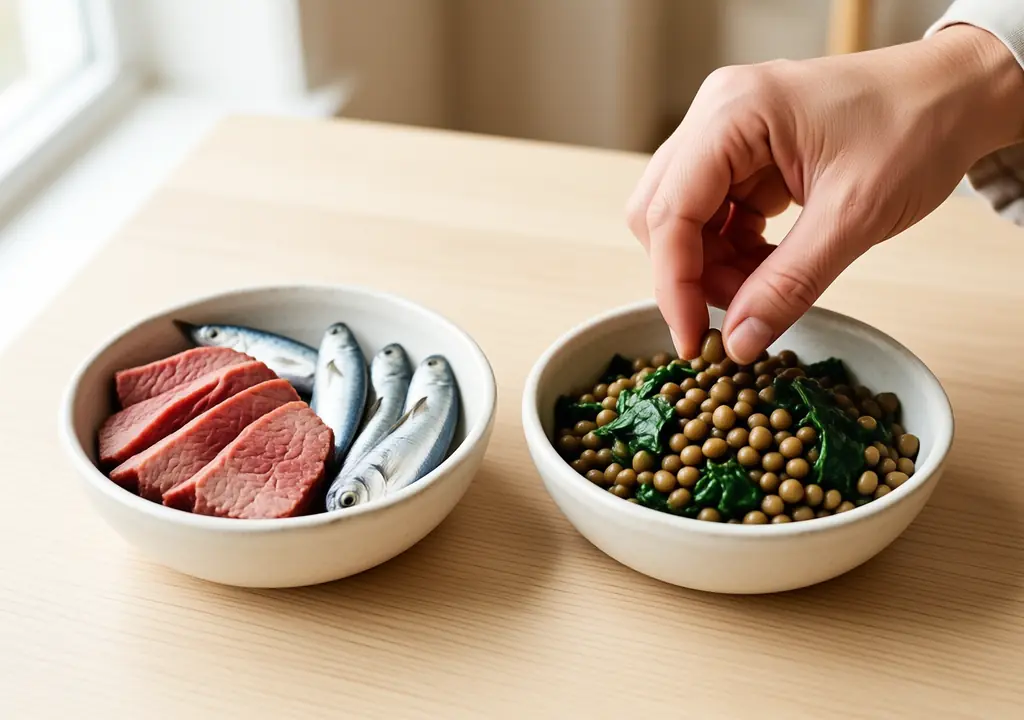
That doesn’t mean plant eaters can’t meet their needs. They need to eat more iron-rich plants and, crucially, pair them with the right partners. The absorption tricks below matter far more for non-haem iron than for a steak.
The best iron rich foods UK supermarkets stock
Every food here is halal-friendly and sits on a normal UK supermarket shelf. I have grouped them so you can mix animal and plant sources, or go fully plant-based.
Animal sources (haem iron)
Halal red meat is the standout, so lean halal beef and lamb from your local halal butcher or the halal aisle at larger Tesco and ASDA stores deliver well-absorbed iron. Sardines and mackerel, tinned and cheap at around 70p a tin, are an easy and often overlooked source. Eggs contribute a useful amount too. Liver is extremely iron-dense, though anyone who is pregnant should avoid it because of its very high vitamin A content.
Plant sources (non-haem iron)
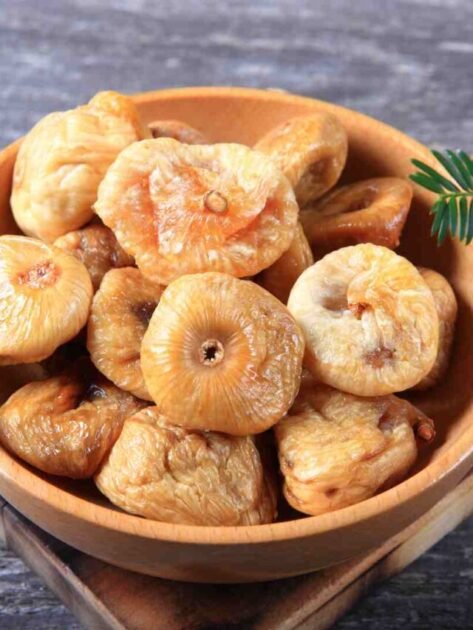
Lentils and chickpeas are my top budget pick, and a 500g bag of dried red lentils at under £1 goes a very long way. Dark leafy greens such as spinach, kale and spring greens, tofu, kidney beans, fortified breakfast cereals, pumpkin seeds and dried apricots round out the list. Even plain dark chocolate counts, which my children are delighted to hear.
Ginco Fruit & Nut Mix 1kg £9.99 at time of writing
How to actually absorb the iron you eat
This is where most people lose iron without realising. Pair non-haem iron with vitamin C and you dramatically increase how much you absorb, so a squeeze of lemon over lentils, chopped peppers in a chickpea stew, or a glass of orange juice with fortified cereal all do real work.
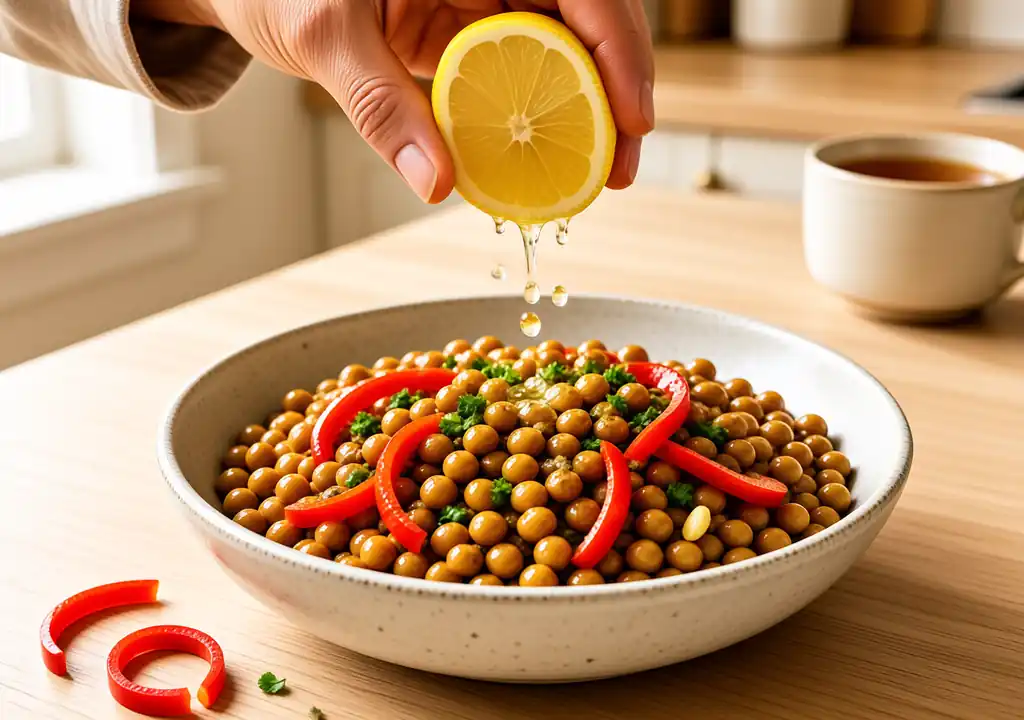
Now the counterintuitive bit, and the habit I ask clients to break first: the cup of tea or coffee with your meal. Tannins in tea and coffee bind to non-haem iron and block a large chunk of absorption, so that comforting brew alongside your dinner is undoing some of your effort. Have it an hour before or after instead. Calcium does the same thing, which is why a big glass of milk is not the ideal partner for an iron-rich meal either.
Cooking in a cast iron pan genuinely adds a little iron to your food too, especially with acidic dishes like tomato-based stews. It’s a small effect, but it’s free.
Lodge 26cm Cast Iron Skillet £31.48 at time of writing
A quick iron-boosting recipe: spiced lentil and spinach stew
I cook a version of this most weeks. It pairs non-haem iron from lentils and spinach with vitamin C from tomatoes and lemon, which is exactly the combination your body wants. It’s halal, vegan, and costs very little to make.
Ingredients (serves 4)
250g dried red lentils, rinsed. 1 tbsp olive oil. 1 onion, chopped. 3 garlic cloves, crushed. 1 tsp ground cumin. 1 tsp ground coriander. Half a tsp turmeric. 1 x 400g tin chopped tomatoes. 800ml low-salt vegetable stock. 200g fresh spinach. Juice of half a lemon. Salt and pepper to taste.
Method
1. Heat the oil in a large pan and soften the onion for 5 minutes. Add the garlic and spices and cook for 1 minute until fragrant.
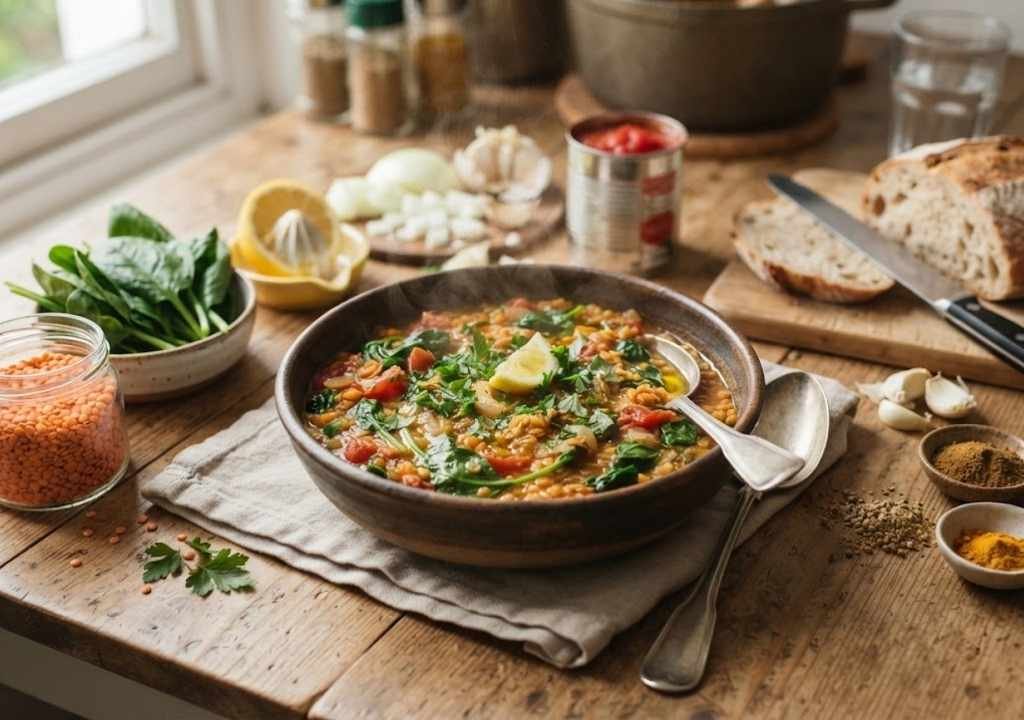
2. Add the lentils, chopped tomatoes and stock. Bring to a simmer and cook for 20 to 25 minutes, stirring now and then, until the lentils are soft.
3. Stir through the spinach until it wilts, around 2 minutes. Take off the heat and stir in the lemon juice. Season and serve.
Nutrition per serving
Calories: 290 kcal
Protein: 17g
Carbohydrates: 42g
Fat: 5g
Fibre: 9g
Nutritional values are approximate. Use a nutrition calculator for precise values based on your specific ingredients and brands. The lemon isn’t a garnish here, it’s doing a job, so don’t skip it.
Variations: stir in a tin of chickpeas for extra protein and iron, swap spinach for chopped kale or spring greens, or add diced halal lamb browned at the start for a haem-iron boost. Storage: keeps in the fridge for up to 3 days in a sealed container and freezes well for up to 3 months, so I usually double the batch and freeze half for a busy weeknight.
Iron needs change across a woman’s life
One reason iron is worth paying attention to is that the demand shifts as life does. Through the menstruating years, monthly blood loss is the main driver, and women with heavy periods lose noticeably more, which is why this group runs short most often.
Pregnancy raises the need further, because the growing baby and the extra blood volume both draw on iron stores, and midwives routinely check for this. Breastfeeding and the months after birth are another demanding stretch. After menopause, with periods gone, the requirement falls back to the same level as men, around 8.7 mg a day, so the pressure eases considerably. Teenage girls, often tired and often eating erratically, are another group I would gently nudge towards the foods above.
The point isn’t to track milligrams obsessively. It’s to know that if you’re in a higher-demand stage, iron-rich meals deserve a regular place on your plate rather than an occasional one.
Signs you might be running low, and when to see your GP
Low iron tends to announce itself without much fuss. Persistent tiredness that rest does not fix is the classic sign, often alongside feeling cold, looking pale, brittle nails, breathlessness during ordinary activity, or an odd craving for ice. None of these proves anything on its own, and plenty have other causes.
This is where I have to be clear, because iron is one area where self-treating can backfire. Too much iron is harmful, and supplements can cause real side effects and mask other problems. So if several of those signs ring true, don’t reach for high-dose tablets off the shelf. Ask your GP for a ferritin blood test, which is quick and routine, and take any supplement only on their advice. Food first is almost always the right starting point, and it carries no such risk.
Halal, budget and Ramadan notes
Iron need not be expensive. Lentils, tinned fish, eggs and fortified cereal are among the cheapest foods in the shop, which makes this one of the easier nutrition goals to hit on a tight budget. For halal meat, your local halal butcher is usually better value than the supermarket halal aisle, and worth building a relationship with.
During Ramadan, iron matters more because the eating window is short. Build a little iron into both Suhoor and Iftar, pair it with vitamin C, and keep tea and coffee away from those meals where you can. A lentil soup to open the fast with a squeeze of lemon is a genuinely smart Ramadan choice. For a fuller fasting plan, our suhoor meal plan for long fasts works well alongside this.
If you want ready-made meal ideas that fold these foods in, our anti-inflammatory foods guide and gut health recipes overlap nicely, our healthy meal prep for beginners guide helps you batch them, and our easy healthy dinner recipes round things off.
Iron rich foods for women UK: frequently asked questions
What foods are highest in iron?
Red meat, liver, sardines, lentils, chickpeas, tofu, dark leafy greens, pumpkin seeds, fortified cereals and dried apricots are among the richest. Animal sources are absorbed more easily, but plant sources work well when paired with vitamin C.
How can I raise my iron levels quickly through food?
Eat iron-rich foods with a vitamin C source at the same meal, and avoid tea, coffee and large amounts of calcium around those meals. If your levels are genuinely low, see your GP, as food alone may not be enough and you may need a supplement under medical advice.
Which iron rich foods are vegetarian?
Lentils, chickpeas, kidney beans, tofu, spinach, kale, pumpkin seeds, fortified breakfast cereals, dried apricots and dark chocolate are all good vegetarian sources. Combine them with peppers, citrus or tomatoes to boost absorption.
Can I get enough iron without red meat?
Yes. Many people meet their needs from plant sources and fish alone. The key is eating a bit more non-haem iron than a meat eater would and pairing it consistently with vitamin C to improve how much your body takes up.
Does cooking in a cast iron pan really add iron?
It does add a small amount, more so with acidic foods like tomato-based dishes. That’s a minor top-up rather than a main strategy, but it’s a free and easy one.
Pick two or three of these foods you will genuinely eat, add a vitamin C source, keep the tea away from mealtimes, and give it a few weeks. For persistent fatigue, a GP blood test is the sensible next step.
Nutrition content at MyBreezyLife is reviewed by James Okafor ANutr, Registered Associate Nutritionist. This is general guidance only. Always consult your GP or a registered dietitian for personal dietary advice.
This article contains affiliate links. If you buy something through one of them we may earn a small commission, at no extra cost to you.