
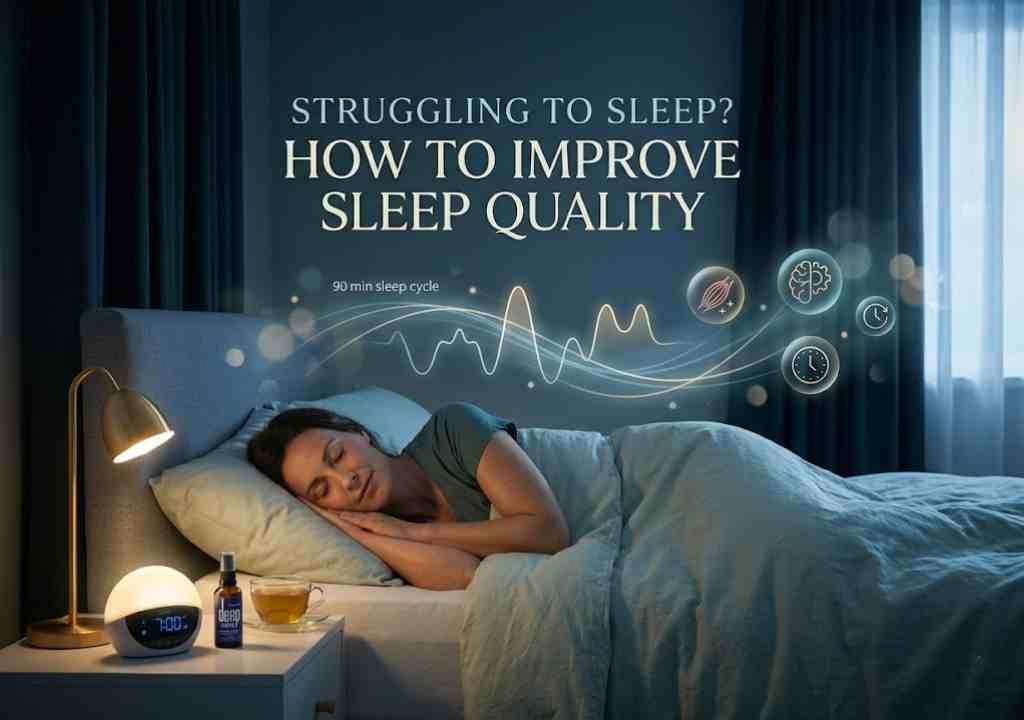
Learning how to improve sleep quality is one of the most powerful things you can do for your health, your mood, and your body — and yet it is also one of the most overlooked. I say this as a certified personal trainer who has worked with dozens of UK women over the years, and the conversation about sleep almost never comes up until someone is already running on empty. By that point, poor rest has usually been disrupting their training, their appetite, and their mental clarity for months.
Sleep is not just rest. It is the period during which your body repairs muscle, consolidates memory, regulates hormones, and resets your immune response. The NHS recommends that most adults get between seven and nine hours of sleep per night, and consistently falling short of that has been linked to increased risk of obesity, type 2 diabetes, cardiovascular disease, and depression. So if you are here because you are lying awake at night or waking up exhausted, this guide is for you.
Why Sleep Quality Matters More Than Sleep Quantity
Most people think the goal is simply to clock more hours in bed. In reality, the quality of your sleep — how much time you spend in deep sleep and REM sleep, and how often you are disturbed during the night — matters just as much as the total duration. A poor night of fragmented sleep, even if it lasts eight hours, will leave you feeling worse than six solid, uninterrupted hours.
Sleep happens in cycles of roughly 90 minutes, each containing lighter stages, deep sleep (also called slow-wave sleep), and REM sleep. During deep sleep, growth hormone is released and physical repair happens. During REM sleep, your brain processes emotions and consolidates learning. If your sleep is being interrupted by noise, light, a racing mind, or poor sleep hygiene, you are likely missing out on these restorative stages far more often than you realise.
Understanding this is what shifted my own approach to rest entirely.
How to Improve Sleep Quality: The Science-Backed Basics
Fix Your Sleep Schedule First
Your body runs on a circadian rhythm — an internal 24-hour clock that governs when you feel alert and when you feel sleepy. The single most effective thing you can do to improve your sleep is to go to bed and wake up at the same time every day, including weekends. Irregular sleep timings are one of the most common drivers of poor sleep quality, and stabilising your schedule can make a noticeable difference within a week.
Aim to wake up at the same time each morning, even if you had a rough night. This anchors your circadian rhythm and builds up what sleep scientists call sleep pressure — the natural drive to sleep that deepens through the day.
Create a Proper Wind-Down Routine
Your brain does not switch off like a light. It needs a transition period between the demands of the day and genuine rest. A consistent bedtime routine signals to your nervous system that sleep is approaching, lowering cortisol (your stress hormone) and allowing melatonin to rise naturally.
Aim for a 30 to 60 minute wind-down window before bed. This might include a warm bath or shower (the subsequent drop in body temperature signals sleepiness), light stretching or yoga, reading a physical book, journalling, or a calming skincare routine. The key is consistency — doing the same sequence of activities each evening trains your brain to associate them with sleep.
What to avoid: screens in the final hour before bed. Blue light from phones and laptops suppresses melatonin production and delays sleep onset. If you must use a device, enable night mode and dim the brightness significantly.
Optimise Your Sleep Environment
Your bedroom should be cool, dark, and quiet. Research published in the journal Sleep Medicine Reviews consistently shows that a room temperature of around 16 to 19 degrees Celsius is optimal for sleep in adults. Most UK bedrooms in autumn and winter will naturally fall into this range, but in summer this can be a real issue — a fan or light cotton bedding makes a significant difference.
Light is the other major factor. Even small amounts of light from a phone charger, a street lamp through thin curtains, or a hallway light under the door can suppress melatonin and fragment your sleep cycles. Blackout curtains or a good sleep mask are genuinely worthwhile investments.
I spent a fortnight trialling a white noise app last November and noticed a real improvement in how quickly I fell back to sleep after waking in the early hours. White noise machines or even a simple fan can mask irregular sounds that might otherwise wake you.

Sleep Hygiene Habits That Make a Difference
Sleep hygiene refers to the collection of behaviours and environmental factors that influence sleep quality. Here are the ones that have the strongest evidence base.
Limit caffeine after midday. Caffeine has a half-life of around five to seven hours, meaning a coffee at 3pm still has half its stimulant effect at 9pm. Switching to herbal teas in the afternoon is a simple change that many of my clients report feeling the benefit of within days.
Watch your evening alcohol intake. Alcohol may make you feel drowsy, but it significantly disrupts REM sleep and increases the likelihood of waking in the second half of the night. It is one of the most underappreciated drivers of poor sleep quality in UK adults.
Avoid large meals close to bedtime. Eating a heavy meal within two to three hours of sleep raises your body temperature and keeps your digestive system active, both of which interfere with sleep onset. A light snack if you are genuinely hungry is fine — something like a small bowl of oats or a banana.
Get morning daylight. Exposing yourself to natural light within an hour of waking is one of the most effective ways to anchor your circadian rhythm. A ten-minute walk outside in the morning makes a real difference, even on a grey UK day.
Addressing Insomnia and Sleep Disorders
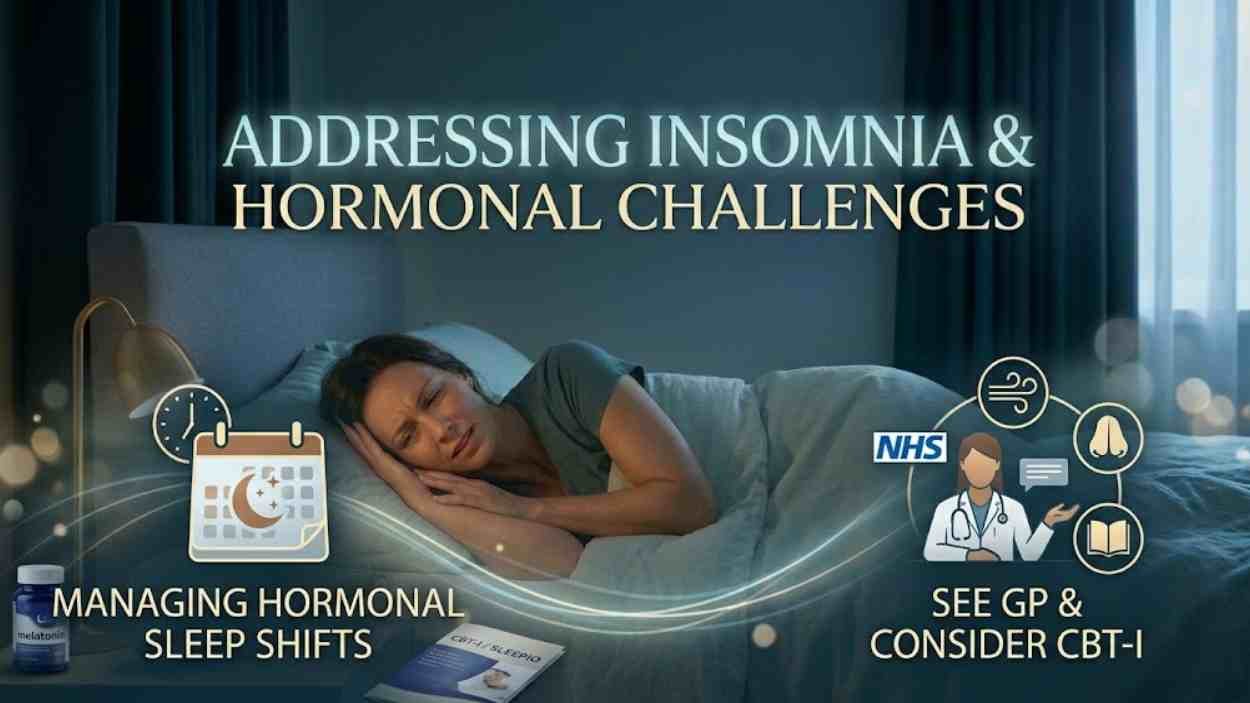
If you have tried improving your sleep habits and are still struggling, it is worth speaking to your GP. Chronic insomnia affects roughly one in three people in the UK at some point in their lives, according to the NHS, and it is a genuine medical condition, not a personal failing.
Cognitive Behavioural Therapy for Insomnia (CBT-I) is the gold-standard treatment for chronic insomnia and is more effective in the long term than sleep medication. It can be accessed via your GP, through Sleepio (available free via some NHS trusts), or through a private therapist. If you are regularly experiencing sleep deprivation, daytime sleepiness that affects your functioning, or symptoms that might suggest sleep apnoea (such as loud snoring, gasping in your sleep, or waking with headaches), a medical assessment is important.
Melatonin supplements are widely available in the UK and are sometimes helpful for jet lag or shift work, but the evidence for using them to treat general insomnia is more limited than many people assume. They are not a substitute for addressing the root causes.
Exercise, Stress, and Sleep
Exercise is one of the most powerful tools for improving sleep quality. Regular physical activity — including strength training, cardio, and mobility work — has been shown to increase the amount of deep sleep you get and reduce the time it takes to fall asleep. However, timing matters: vigorous exercise within two to three hours of bedtime can raise your core temperature and adrenaline levels enough to delay sleep onset for some people.
Stress and anxiety are among the most common drivers of poor sleep in women. For more on managing the physical side of stress, the article Anti-Inflammatory Foods: What to Eat to Help Your Body Heal covers dietary approaches that also support nervous system recovery.
Sleep Quality for Women: The Hormonal Dimension
Women face some specific sleep challenges that are worth acknowledging. Hormonal fluctuations throughout the menstrual cycle affect body temperature, anxiety levels, and sleep architecture — many women report noticeably worse sleep in the days before their period. During perimenopause and menopause, night sweats, anxiety, and changing hormone levels can significantly disrupt sleep.
For hijab-wearing women who may also be practising Fajr prayer in the early morning hours, establishing a consistent post-prayer wind-down can help you return to restorative sleep rather than lying awake. Keeping the lights dim, doing a few minutes of gentle breathing, and avoiding your phone after prayer can make a real difference to the quality of the sleep you get in the remaining hours of the morning.
UK Products That Can Support Better Sleep
These products are widely available from UK retailers and have solid reputations for supporting sleep:
Here is the table for your recommended sleep products:
| Product | Description | Retailer | Approx. Price |
| Lumie Bodyclock Luxe | A sunrise alarm clock that wakes you with gradually increasing light, supporting your natural circadian rhythm. | Buy on Amazon | £100.99 |
| This Works Deep Sleep Pillow Spray | A lavender, chamomile, and vetivert blend that many users find genuinely calming. | Buy on Amazon | £21.00 |
| Blackout Curtain Liner | An affordable way to darken your bedroom without replacing your curtains. | Buy on Amazon | £13.99 |
Frequently Asked Questions About How to Improve Sleep Quality
What is the most effective way to improve sleep quality quickly?
The quickest wins are fixing your sleep schedule (same wake time every day), cutting caffeine after midday, and cooling your bedroom. Most people notice a difference within a few days of making these changes consistently.
How long does it take to improve sleep quality?
Basic sleep hygiene changes often produce noticeable improvement within one to two weeks. If you are dealing with chronic insomnia, CBT-I typically requires six to eight weeks of consistent practice before significant improvement is felt.
Does exercise improve sleep quality?
Yes, consistently. Regular aerobic and strength exercise is one of the most evidence-backed ways to increase deep sleep and reduce the time it takes to fall asleep. Aim to avoid vigorous workouts within two to three hours of your bedtime.
What foods help improve sleep quality?
Foods rich in tryptophan (turkey, eggs, dairy, nuts) support melatonin production. Magnesium-rich foods such as leafy greens, seeds, and dark chocolate can support nervous system relaxation. For family-friendly evening meal ideas, Easy Healthy Dinner Recipes UK has eight great options.
When should I see a doctor about sleep problems?
If sleep issues have persisted for more than a month, are significantly affecting your daytime functioning, or if you suspect sleep apnoea, it is time to speak to your GP.
Improving your sleep is not about perfection — it is about building better habits consistently over time. Start with one or two changes from this guide and give them two weeks before adding more.
Yasmin Demir is MyBreezyLife’s Health & Fitness editor and a certified personal trainer. This is general guidance only. Always consult your GP or a qualified professional for personal advice.