Learning how to get rid of dark spots on face is one of the most searched skincare questions in the UK, and honestly, for good reason. Whether yours arrived after a hormonal breakout, years of unprotected sun exposure, or a patch of melasma that appeared out of nowhere during your thirties, dark spots have a particular talent for hanging around long after whatever caused them has gone.
I have been working in skincare for over a decade, and I still remember how frustrated I felt the first time I spent serious money on a “dark spot corrector” that did absolutely nothing. That experience taught me something valuable: understanding why dark spots form is the key to choosing ingredients that will actually fade them.
What Actually Causes Dark Spots on Your Face?
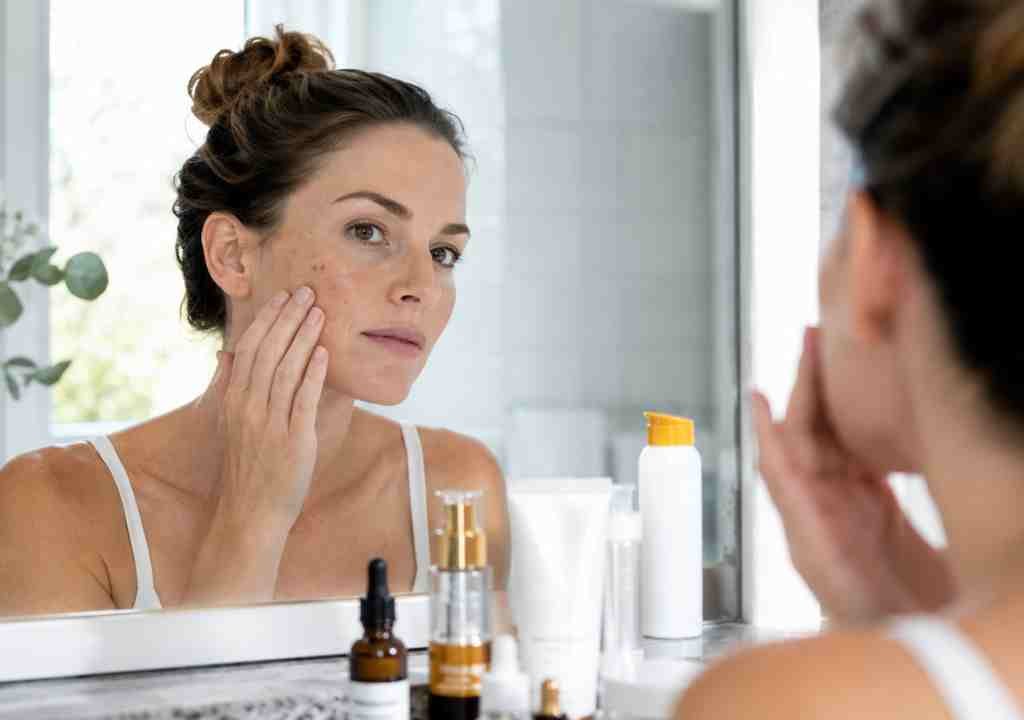
Dark spots (the clinical term is hyperpigmentation) form when melanin, the pigment that gives your skin its colour, is produced in excess in one particular area. Your skin makes more melanin as a protective response: to UV radiation, to inflammation from a spot, to hormonal fluctuations, or to physical trauma like picking at your skin.
The result is a patch of skin that looks darker than the surrounding area. Post-acne marks (sometimes called post-inflammatory hyperpigmentation, or PIH) are particularly common in UK women with medium to deep skin tones, because melanin-rich skin has a stronger inflammatory response. Sun damage tends to show up as flat, diffuse patches, while melasma often appears symmetrically across the cheeks, upper lip or forehead.
The reason they are so stubborn is that the excess melanin sits deep in the epidermis and, in some cases, the dermis. Fading it takes time, consistency, and the right combination of ingredients.
The Best Ingredients to Fade Dark Spots on Face
This is where most articles oversimplify things. The truth is that no single ingredient works for everyone, and the most effective routines usually combine two or three complementary actives. Here is what the evidence actually supports.
Vitamin C
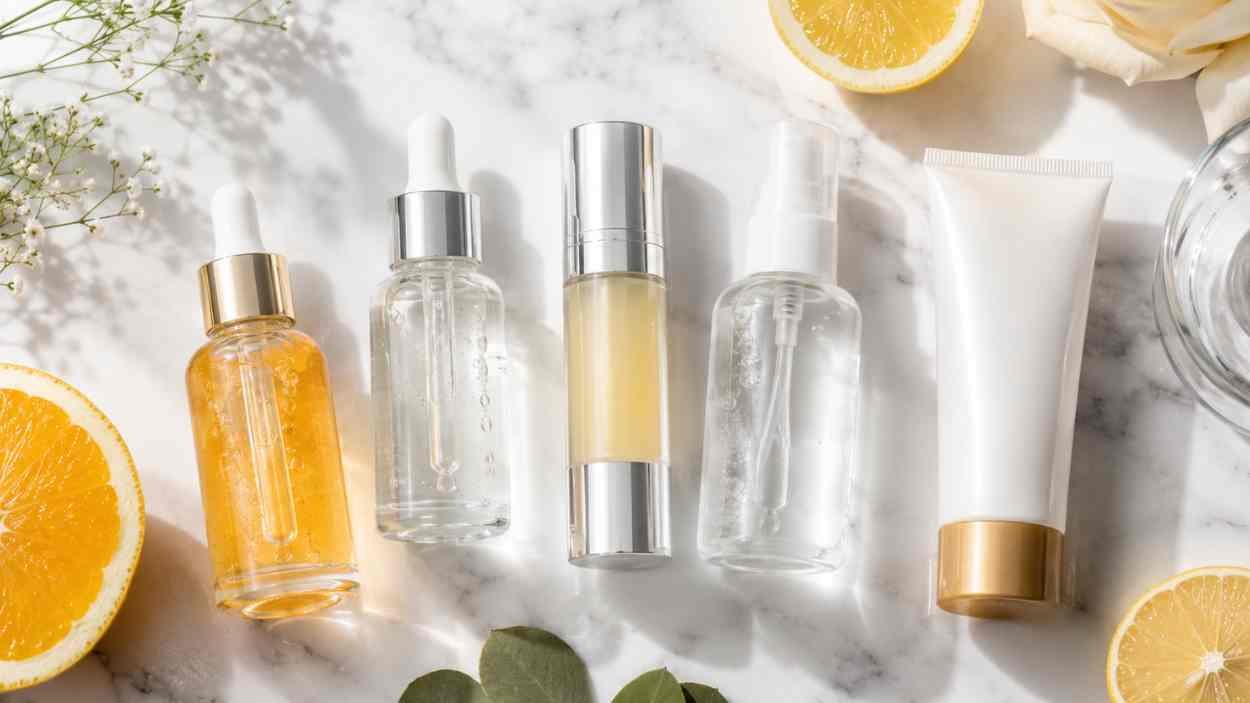
Vitamin C (ascorbic acid) is one of the most well-researched brightening ingredients available. It works by interfering with the enzyme tyrosinase, which your skin needs to produce melanin. A review published in the Journal of Clinical and Aesthetic Dermatology confirmed that topical vitamin C demonstrates significant antipigmentary effects through its inhibition of tyrosinase and reduction of melanin intermediates.
The practical catch is that ascorbic acid is notoriously unstable. It oxidises when exposed to light and air, turning orange in the bottle and losing its effectiveness. Look for formulas with a concentration of 10 to 20 percent, stored in an opaque or dark glass bottle. Apply it in the morning before your SPF. I used a 15 percent vitamin C serum daily for three months before I saw a meaningful difference in my sun damage, so patience really is part of the deal here.
Niacinamide
Niacinamide (vitamin B3) is arguably the most versatile ingredient in any brightening routine. Rather than blocking melanin production, it works by preventing melanin from reaching the surface of the skin, which is a completely different mechanism. This makes it a brilliant complement to vitamin C rather than a replacement.
The bonus is that niacinamide also strengthens the skin barrier, minimises pores, and reduces redness, which is why it suits almost every skin type. You can read more about finding the right niacinamide formula for your skin in our guide to the best niacinamide serum UK 2026.
AHAs: Glycolic and Lactic Acid
Alpha hydroxy acids work differently again. Glycolic acid and lactic acid are chemical exfoliants that dissolve the bonds between dead skin cells, speeding up the rate at which your skin naturally sheds. This means pigmented cells are moved off the surface faster, and newer, more evenly toned skin appears sooner.
Glycolic acid is the strongest AHA and gives the quickest results. Lactic acid is gentler and slightly more hydrating, which makes it a better starting point if your skin is sensitive. Use an AHA in the evening, two to three times a week, and never on the same night as retinol. Our skincare guide for women UK has a full section on layering actives safely.
Retinol
Retinol works by accelerating cell turnover and stimulating collagen production. Over time, this brings fresh, unpigmented cells to the surface while fading older, darker ones. It is particularly effective for sun damage and the kind of deep, settled hyperpigmentation that has been present for more than a year.
The downside is that retinol requires a slow introduction. Too much too soon causes redness, peeling and, paradoxically, more sensitivity to UV light. Start with a 0.1 to 0.3 percent formula two nights a week, and always follow with SPF the next morning.
Kojic Acid
Kojic acid is less commonly discussed but genuinely effective, particularly for stubborn melasma. It is derived from a fungus and works as a tyrosinase inhibitor in a similar way to vitamin C. You will find it in some prescription-strength formulas and in over-the-counter brightening products at concentrations of one to two percent.
How to Get Rid of Dark Spots on Face: Building Your Routine
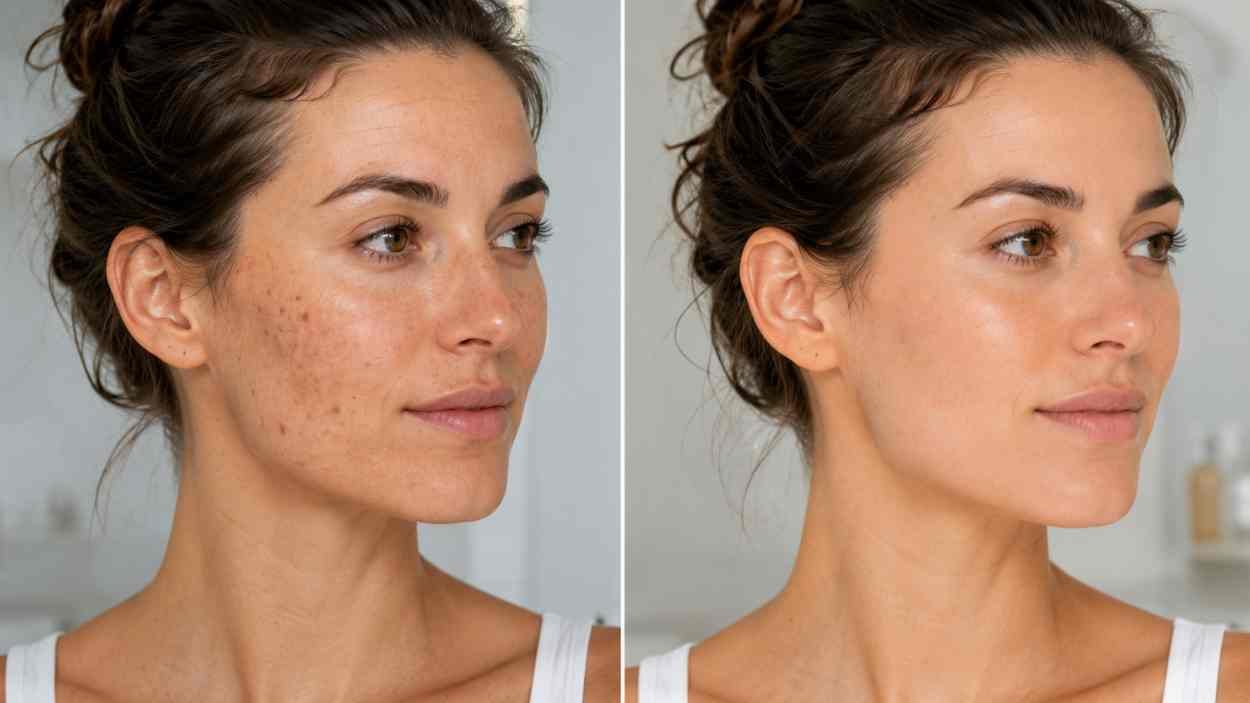
Here is the routine structure I recommend to anyone working on dark spots. This is exactly the approach I used on my own skin, testing it over a six-week period before recommending it to readers on MyBreezyLife.
Morning:
- Gentle cleanser. Use a non-stripping formula with no fragrance. Your skin should feel clean but never tight after washing. A compromised skin barrier makes active ingredients less effective and more likely to cause irritation.
- Vitamin C serum (10 to 20 percent ascorbic acid). Apply directly onto clean, slightly damp skin before anything else. Vitamin C absorbs best without a layer of other products sitting on top of it. Pat in and give it 60 seconds to settle before the next step.
- Niacinamide serum or moisturiser. Niacinamide works on a different pathway to vitamin C, so layering them is not only fine but genuinely more effective than either alone. If your moisturiser already contains niacinamide, you do not need a separate serum.
- SPF 30 or higher, every single day, regardless of weather. This is not optional. UV radiation is the single biggest trigger for melanin overproduction, and even on a grey UK winter day, UVA rays pass through cloud cover and glass. The NHS recommends using at least SPF 30 daily to protect skin from UV damage. You can read their full guidance on sun and UV exposure on the NHS website. If you are using active brightening ingredients and skipping this step, you are undoing the work before it has a chance to show.
Evening:
- Oil cleanser, followed by a water-based cleanser. Double cleansing matters in the evening if you wear SPF or any makeup during the day. An oil cleanser breaks down the SPF film that a water-based cleanser cannot fully lift on its own. Skip the oil cleanser on bare-skin days if you prefer.
- AHA exfoliant, 2 to 3 nights a week. Apply after cleansing and leave it on for around 20 minutes before your moisturiser. Glycolic acid is the most powerful option for faster results; lactic acid is the gentler choice for sensitive or reactive skin. Do not use an AHA on the same night as your retinol.
- Retinol, on alternate evenings to your AHA. Start at 0.1 to 0.3 percent, two nights a week, and build slowly. Retinol speeds up cell turnover and brings fresh, unpigmented skin to the surface over time, but it needs a careful introduction. Using it on the same night as an AHA dramatically increases the risk of peeling, redness and barrier damage.
- Moisturiser. Always finish with a nourishing moisturiser in the evening. Active ingredients, particularly retinol and AHAs, work best when the skin barrier is well-supported rather than depleted.
The Best UK Products for Dark Spots in 2026
These are the products I have personally tested and consistently recommend to readers dealing with hyperpigmentation. All are available at UK retailers.
| Product | Category | Key Ingredients | Benefits | Sara’s Review | Price | Buy |
|---|---|---|---|---|---|---|
| The Ordinary Vitamin C Suspension 23% + HA Spheres 2% | Vitamin C | L-Ascorbic Acid 23%, Hyaluronic Acid (HA Spheres), Squalane | Brightens uneven skin tone, inhibits melanin production, antioxidant protection, surface smoothing from HA spheres | The texture is gritty for the first few seconds and I won’t pretend otherwise, but the results at this price are genuinely hard to argue with. I saw a visible difference in my sun damage after consistent daily use. | £5.90 | Buy on Amazon UK |
| Paula’s Choice C15 Super Booster | Vitamin C | L-Ascorbic Acid 15%, Vitamin E (Tocopherol), Ferulic Acid, Peptides, Hyaluronic Acid | Brightens and evens skin tone, enhanced stability from vitamin E and ferulic acid combination, antioxidant protection, supports skin firmness | Far better tolerated on sensitive skin than The Ordinary’s higher-concentration formula. The vitamin E and ferulic acid make the vitamin C more stable and more effective, which justifies the higher price point for those who find 23% too strong. | £49.00 | Buy on Amazon UK |
| The Ordinary Niacinamide 10% + Zinc 1% | Niacinamide | Niacinamide 10%, Zinc PCA 1% | Prevents melanin transfer to skin surface, minimises pores, reduces redness, regulates sebum, strengthens skin barrier | One of the most reliable products I recommend regardless of skin type or budget. The zinc addition makes it particularly useful for anyone whose dark spots are linked to acne or oiliness. A genuine staple. | £5.50 | Buy on Amazon UK |
| Paula’s Choice Skin Perfecting 8% AHA Gel | AHA Exfoliant | Glycolic Acid 8%, Green Tea Extract, Chamomile Extract | Accelerates cell turnover, fades surface pigmentation faster, smooths texture, improves overall skin tone | I have recommended this to more readers than any other exfoliant. The 8% glycolic concentration is effective without being aggressive, and the gel formula sits well under moisturiser without pilling. Use it two to three evenings a week and give it six weeks. | £29.00 | Buy on Amazon UK |
| RoC Retinol Correxion Line Smoothing Serum | Retinol | Retinol, Vitamin E (Tocopheryl Acetate), Hyaluronic Acid (Sodium Hyaluronate), Shea Butter, Panthenol | Accelerates cell turnover to fade deep pigmentation, stimulates collagen production, improves skin texture, hydrating formula reduces typical retinol dryness | A solid entry-level retinol that handles the classic problem well: effective enough to make a real difference, but hydrating enough that beginners can use it without waking up to a flaking face. Start twice a week and build from there. | £24.99 | Buy on Amazon UK |
| La Roche-Posay Anthelios Invisible Fluid SPF 50+ | SPF | Broad-spectrum UV filters (Mexoryl SX, Mexoryl XL, Tinosorb S), Vitamin E (Tocopherol), Glycerin | Broad-spectrum UVA and UVB protection, prevents further melanin overproduction, non-greasy finish, formulated to limit eye-stinging | The best SPF I have found for daily use under makeup in the UK. It sits flat, does not pill under foundation, and the SPF 50+ protection is exactly what anyone using brightening actives needs. I have repurchased this more times than I can count. | £19.50 | Buy on Amazon UK |
Dark Spots on Melanin-Rich and Hijab-Wearing Skin
For UK women with deeper skin tones, post-inflammatory hyperpigmentation from spots or irritation tends to be darker and takes longer to fade. This is completely normal. It is a function of how actively your skin’s melanin response works, not a flaw.
A few adjustments that help: avoid harsh physical scrubs, which can trigger inflammation and worsen PIH. Stick to chemical exfoliants like lactic acid, which is gentler on the skin barrier. Niacinamide is particularly useful here because it works regardless of skin tone and carries no risk of causing irritation or paradoxical darkening.
For hijab-wearing readers, bear in mind that areas covered by fabric experience less UV exposure, so dark spots on the face (which is exposed) can appear more pronounced by contrast. This makes consistent SPF use on the face especially important. You might also find useful tips in our article on skincare routine for hijabi women.
What to Avoid When Treating Dark Spots
Lemon juice keeps circulating on social media, but the citric acid in lemon juice is not a controlled concentration, it degrades in air, and the photosensitising compounds in lemon can cause chemical burns and darker pigmentation in sunlight. Please do not put lemon on your face.
Picking at spots restarts the inflammation cycle and gives your skin another reason to produce excess melanin. This single habit causes more dark spots than almost anything else.
Skipping SPF while using actives means retinol and AHAs, which make your skin more sensitive to UV damage, can worsen existing pigmentation rather than fading it. For more on how the wrong products can disrupt your skin barrier, see our piece on signs your moisturiser is clogging pores.
Got Questions About Dark Spots? Here Are the Answers
How long does it take to get rid of dark spots on your face?
Realistic expectations: surface pigmentation caused by recent acne or mild sun damage can fade in four to eight weeks with consistent use of vitamin C, niacinamide and SPF. Deeper melasma or long-standing sun damage may take six months or longer. Consistency is everything.
Can dark spots be removed permanently?
For most people, with the right ingredients and SPF, dark spots can be faded significantly and maintained at a barely-visible level. However, the melanocytes (pigment-producing cells) that caused them are still there. Without ongoing sun protection, they can return.
What is the fastest way to fade dark spots on your face?
A combination of vitamin C in the morning, an AHA exfoliant two to three evenings a week, and daily SPF 50 gives the fastest results achievable without professional treatment. For faster outcomes, a dermatologist can offer prescription-strength hydroquinone, chemical peels, or laser therapy.
Is niacinamide or vitamin C better for dark spots?
Both work best together. They act via different pathways: vitamin C inhibits melanin production, while niacinamide prevents melanin transfer to the skin surface. Use vitamin C in the morning and niacinamide at any point in your routine.
Do dark spots mean my skincare routine is damaging my skin?
Not necessarily. Dark spots are most commonly caused by UV exposure, acne, or hormonal changes, not by skincare products themselves. That said, irritating products can trigger post-inflammatory hyperpigmentation. If your spots appeared after introducing a new product, that product may be the cause.
Sorting out dark spots takes patience, but once you understand which ingredients work and why, the routine becomes straightforward. Start with niacinamide and SPF if you are new to this, then build in vitamin C and an AHA as your skin adjusts.
This is general guidance only. Always consult your GP or a qualified dermatologist for personal advice.
Sara Mitchell is MyBreezyLife’s Beauty and Wellness editor. Her recommendations are based on personal testing and independent research. This article may contain affiliate links. We only recommend products we genuinely rate.