
Hey everyone! Welcome to Mybreezylife, today let’s deep dive into a topic that becomes increasingly relevant in 2025 – the natural process of skin thinning. Aging is inevitable, but did you know there are effective ways to slow down and even reverse this process? In this comprehensive guide, we’ll explore why skin thinning happens, its triggers, and most importantly, how to reverse skin thinning and prevent it for healthier and more resilient skin.
Why and How Does Skin Thinning Happen?
Skin thinning is a complex, gradual process influenced by a variety of biological, lifestyle, and environmental factors. While a certain degree of thinning is expected as part of the natural aging process, some individuals experience it sooner or more noticeably due to a combination of genetics, habits, and health status. Understanding these underlying causes is the first step toward prevention and effective treatment.
The Science of Skin Structure
Your skin is composed of several layers, with the outermost epidermis providing protection and the deeper dermis supplying strength and elasticity. The dermis is rich in collagen and elastin—proteins that form a supportive framework, much like scaffolding in a building. When this structure is robust, skin appears plump, firm, and resilient. However, as we age and confront various external challenges, these critical proteins begin to diminish, leading to skin that appears thinner, less elastic, and more vulnerable.
Key Factors Contributing to Skin Thinning
1. Aging
Natural aging is the most significant factor in skin thinning. Starting in our 30s, the production of collagen and elastin slows by about 1% per year. Over decades, this gradual loss adds up, resulting in skin that is less able to “bounce back” from movement or injury. The International Journal of Cosmetic Science (2023) highlights that this loss of collagen, combined with changes in fat distribution and skin cell turnover, sets the stage for visible thinning, sagging, and fine lines.
2. Sun Exposure
Chronic exposure to ultraviolet (UV) radiation from the sun is a leading external cause of premature skin thinning. UV rays penetrate deep into the skin, breaking down collagen fibers and generating free radicals that accelerate aging—a process known as photoaging. Over time, sun damage not only causes wrinkles and discoloration but also leads to increased fragility and a higher risk of bruising or tearing. According to research in Photodermatology, Photoimmunology & Photomedicine (2024), cumulative sun exposure remains one of the most preventable causes of skin thinning.
3. Hormonal Changes
Hormonal shifts, especially the decline in estrogen during menopause, have a profound impact on skin thickness. Estrogen helps maintain skin hydration, elasticity, and the synthesis of collagen. As levels decrease, the skin loses some of its ability to retain moisture and repair itself, making thinning more pronounced, particularly in women over 50.
4. Medications & Chronic Health Conditions
Certain medications—most notably long-term or high-dose corticosteroids—can significantly thin the skin by disrupting collagen synthesis. Similarly, chronic conditions such as kidney disease, autoimmune disorders, or chronic obstructive pulmonary disease (COPD) may impair the skin’s regenerative processes or necessitate medications that accelerate thinning. Patients using these medications should monitor their skin closely and discuss preventive care with their healthcare provider.
5. Environmental Stressors
Daily exposure to air pollution, cigarette smoke, and harsh chemicals can generate a surge of free radicals—unstable molecules that attack skin cells, proteins, and DNA. Over time, this oxidative stress weakens the skin’s protective barrier, disrupts its repair mechanisms, and accelerates the thinning process. Smoking, in particular, reduces blood flow and oxygen delivery to the skin, compounding damage and slowing healing.
6. Diet and Hydration
Nutrition plays a direct role in the skin’s ability to repair and regenerate. Diets lacking in antioxidants, essential fatty acids, vitamins (especially C and E), and minerals can impair collagen production and compromise skin integrity. Dehydration further reduces skin plumpness, making thinning more apparent and exacerbating the effects of aging and environmental damage.
A Multilayered Challenge
What makes skin thinning especially challenging is its multifactorial nature—aging, sun, hormones, health, pollution, and nutrition are often at play simultaneously. For example, a woman in her fifties who spends a lot of time outdoors without sun protection and follows a low-nutrient diet will likely see more rapid thinning than someone with a protective lifestyle and a nutrient-rich diet.
The Good News
The factors that accelerate skin thinning can also be addressed through preventive measures and targeted interventions. By understanding the science behind skin thinning, individuals can make informed choices—protecting their skin from sun, quitting smoking, optimizing nutrition, staying hydrated, and adopting skincare routines that support collagen and barrier repair. New research continues to offer hope for reversing or slowing skin thinning, meaning that even those already experiencing changes can take action for a healthier, more resilient complexion.
The Skin 101: Epidermis and Dermis

To truly understand why skin thins over time, it helps to get familiar with your skin’s basic architecture. Think of your skin as a protective multi-layered shield—each layer with a specific role in keeping you healthy and radiant.
Epidermis: The Protective Frontline
The epidermis is the outermost layer of your skin. Its main job is to act as a barrier, shielding your body from harmful bacteria, toxins, and environmental aggressors such as ultraviolet (UV) rays and pollution. The epidermis is also responsible for producing new skin cells, a process that naturally slows as we age. When the epidermis thins, skin becomes more susceptible to irritation, sensitivity, and slower healing after minor injuries.
Dermis: The Support System
Beneath the epidermis lies the dermis—the true powerhouse of your skin’s structure. This layer is rich in collagen and elastin fibers, which give your skin its firmness, bounce, and elasticity. The dermis also houses blood vessels, sweat glands, and hair follicles, all crucial for nourishing the skin and maintaining its resilience. As collagen and elastin decrease with age or from environmental damage, the dermis becomes less robust, leading to thinner, weaker skin that shows more lines, sags, and bruises easily.
Why Layered Structure Matters
A healthy epidermis and dermis work together to protect, repair, and rejuvenate your skin. When either layer is compromised—whether due to aging, sun damage, health conditions, or lifestyle—the result is skin that not only looks thinner but also functions less effectively as a barrier. This is why strategies to prevent and reverse skin thinning must target both the outer barrier (epidermis) and the supportive matrix beneath (dermis).
Pro Tip: Ingredients that stimulate collagen production (like peptides, retinoids, and vitamin C) and those that strengthen the skin barrier (like ceramides and hyaluronic acid) can help keep both layers of the skin healthier for longer.
Lifestyle Factors & Daily Prevention: Your First Line of Defense
While genetics and aging play a major role in skin thinning, your everyday habits and environment have a powerful impact on how quickly those changes appear. The good news? You can take simple, science-backed steps to slow skin thinning and keep your complexion stronger for longer.
Sun Protection: The Ultimate Anti-Thinning Tool
Daily sun exposure is the number one external cause of premature skin thinning and aging. Even brief, repeated exposure to ultraviolet (UV) rays can break down collagen and elastin deep in your skin, accelerating the loss of firmness and resilience.
- Use broad-spectrum sunscreen (SPF 30+) every day, rain or shine—even indoors near windows.
- Wear hats, sunglasses, and protective clothing for added defense.
- Seek shade during peak hours (10 a.m. to 4 p.m.) when the sun’s rays are strongest.
Healthy Habits: Building Strong Skin from the Inside Out
The choices you make each day have a cumulative effect on your skin’s strength and thickness:
- Don’t smoke: Smoking reduces blood flow and oxygen to the skin, speeding up thinning and impairing healing.
- Eat a rainbow: Fill your plate with colorful fruits and vegetables rich in antioxidants, vitamins C and E, and polyphenols. These nutrients help neutralize skin-damaging free radicals and support collagen production.
- Prioritize healthy fats: Omega-3 fatty acids from sources like salmon, walnuts, and flaxseeds help maintain skin hydration and barrier integrity.
- Stay hydrated: Drinking plenty of water (aim for at least eight 8-ounce glasses daily) keeps skin plump and less prone to thinning and dullness.
Studies have shown that diets high in antioxidants and omega-3s are associated with improved skin thickness and a slower rate of age-related thinning (Cosgrove et al., American Journal of Clinical Nutrition, 2022).
Smart Skincare: Daily Rituals That Defend Your Skin
- Moisturize regularly: Use hydrating serums and creams containing hyaluronic acid, glycerin, or ceramides to keep the outer skin barrier strong.
- Gentle cleansing: Avoid harsh soaps and excessive exfoliation, which can strip your skin’s natural oils and further weaken its defenses.
- Consider oral hyaluronic acid supplements: Recent research suggests that oral hyaluronic acid can improve skin hydration and increase epidermal thickness after 8–12 weeks (Kawada et al., Clinical, Cosmetic and Investigational Dermatology, 2023).
Break the Cycle: Address Harmful Habits
- Quit smoking: The skin’s blood supply and oxygenation improve rapidly after quitting, leading to a measurable boost in skin health and healing capacity within months.
- Limit alcohol and processed foods: Excess sugar and alcohol can promote inflammation and oxidative stress, which accelerate skin thinning.
Targeted Skincare Solutions: Combatting Collagen Decline
As the years pass, preserving skin thickness and youthful resilience becomes increasingly challenging. Collagen, the main structural protein in our skin, reaches its peak in our early 30s. After that, its production declines by about 1% every year—a silent but steady process that weakens the skin’s foundational scaffolding. This leads to sagging, the formation of fine lines, and a noticeably thinner, more delicate complexion. To add to this, hyaluronic acid—the body’s natural moisture magnet—also diminishes with age, making the skin appear drier, less plump, and more vulnerable to environmental stress.
The good news? Advances in dermatological science now offer targeted skincare ingredients that can help slow, and in some cases, slow down these visible signs of aging. Here’s how to harness the power of science for firmer, healthier skin:
Peptides: The Collagen Boosters
Peptides, often called “collagen boosters,” are short chains of amino acids that play a pivotal role in modern anti-aging skincare. In the body, peptides act as messengers, signaling skin cells to ramp up production of collagen and elastin—the proteins responsible for firmness and elasticity. When applied topically in the form of creams or serums, certain peptides can penetrate the skin barrier and stimulate the natural repair processes that slow with age. Clinical studies have shown that formulas containing ingredients like palmitoyl pentapeptide (commonly known as Matrixyl) can visibly improve skin density, enhance firmness, and reduce the appearance of fine lines after several weeks of consistent use. For anyone noticing thinner, more fragile skin, incorporating peptide-rich products can be a game-changing step.
Hyaluronic Acid: The Ultimate Hydrator
Hyaluronic acid is another cornerstone ingredient for combating skin thinning and dehydration. Naturally present in the skin and connective tissue, hyaluronic acid (HA) is renowned for its ability to hold up to 1,000 times its weight in water. This super-hydrating quality is key for maintaining plumpness and elasticity. As natural HA levels drop with age, the skin becomes more susceptible to creping and micro-tears, amplifying the appearance of thinning. Applying hyaluronic acid serums and moisturizers helps replenish moisture reserves, strengthens the skin’s barrier, and immediately makes the skin look fuller and more refreshed. The best results come from applying HA to damp skin, then locking it in with a nourishing cream.
Phytoceramides & Barrier Strengthening
Phytoceramides and other barrier-strengthening lipids offer an added line of defense, especially for mature, dry, or sensitive skin. Phytoceramides are plant-derived molecules that mimic the natural ceramides found in healthy skin. As we age, our skin’s ceramide content decreases, compromising its ability to hold onto moisture and block environmental irritants. Skincare products rich in phytoceramides, squalane, or essential fatty acids help reinforce the barrier, reduce water loss, and create a healthier, more resilient skin surface. These barrier boosters are particularly beneficial for those experiencing flaking, roughness, or increased sensitivity.
Antioxidants: Defense Against Damage
Antioxidants are equally essential in the fight against skin thinning. Everyday exposure to UV rays, pollution, and normal metabolism produces free radicals—unstable molecules that attack and break down collagen and other vital skin components. Ingredients like vitamin C, vitamin E, and polyphenols (found in green tea, berries, and other botanicals) act as a protective shield, neutralizing these free radicals and slowing collagen damage. Antioxidant-rich serums and creams not only help safeguard skin structure but also brighten tone and enhance the environment for new collagen to flourish. Notably, a 2022 review in the American Journal of Clinical Nutrition concluded that diets and topical products high in antioxidants were linked to thicker, more resilient skin and a slower rate of visible aging . To maximize protection, use antioxidant products in the morning, especially beneath sunscreen.
Personalizing Your Routine
Personalizing your skincare routine is crucial for the best results, since no two skin types are exactly alike. Those with sensitive skin should look for fragrance-free, gentle formulations and always patch-test new products before widespread use. Individuals with dry or mature skin can benefit from richer creams containing nourishing oils, ceramides, and squalane, while oily or acne-prone types might prefer lightweight, non-comedogenic serums and gels. Regardless of skin type, consistency is key—these ingredients work best when used regularly, both morning and night, as part of a comprehensive approach to skin health.
By combining the powers of peptides, hyaluronic acid, phytoceramides, and antioxidants in your daily skincare regimen, you can actively address the root causes of collagen decline, reinforce your skin’s natural barrier, and restore a plumper, more youthful complexion.
Importance of Consistency in Skincare
The role of consistency in skincare cannot be overstated. Adhering to a regular skincare routine is essential for achieving optimal results, especially when addressing concerns such as skin thinning and loss of radiance. Skincare products are designed to work best when used continuously, allowing their active ingredients time to penetrate the skin, stimulate cellular renewal, and enhance overall texture.
Individuals often underestimate the cumulative effects of daily applications. Over time, consistent use of targeted treatments aids in building skin resilience, significantly improving the appearance of fine lines, wrinkles, and uneven skin tone. For example, products enriched with retinoids can accelerate cell turnover and improve collagen production, but their benefits are typically observed only after several weeks of regular application.
Furthermore, consistency allows for better integration of products into one’s daily life. This habit not only reinforces the commitment to enhance skin health but also aids in tracking which products yield the best results. Committing to a specific routine helps the skin adjust and respond positively to ongoing care. Moreover, it facilitates a personalized approach, where individuals can modify their regimen based on observable outcomes.
It is important to be patient through the process; skincare improvement is rarely instantaneous and often requires a sustained effort. Setting realistic goals and diligently sticking to a regimen fosters a sense of accomplishment, which can be motivating. As 2025 approaches, integrating dedicated skincare practices will prove beneficial in reversing the signs of skin thinning and restoring a luminous complexion. By cultivating consistency, individuals can unlock the long-term rewards of a radiant and healthier appearance.
Expert-Approved Strategies for 2024-2025
As we move into 2024-2025, dermatologists are continuously reviewing innovative treatments and skincare trends that effectively reverse skin thinning and restore radiance. A multifaceted approach combining products, lifestyle modifications, and advancements in technology is gaining traction. Experts highlight the importance of incorporating antioxidants and peptides into skincare routines. Antioxidants, such as vitamin C and E, combat oxidative stress while promoting collagen production, essential elements for maintaining skin health.
Retinoids, known for their ability to stimulate cell turnover and improve skin texture, remain a cornerstone in addressing skin thinning. Dermatologists endorse both traditional retinoids and newer alternatives such as Bakuchiol, a plant-based ingredient that provides similar benefits but with reduced irritation. Incorporating these ingredients into a nightly regimen can yield significant improvements over time.
Hydration plays an indispensable role in maintaining skin elasticity and youthful appearance. Moisturizers containing hyaluronic acid and ceramides are recommended for their ability to attract and retain moisture. The trend towards layering lightweight serums and heavier creams—often referred to as the “skin barrier method”—is becoming increasingly popular among skincare enthusiasts.
Moreover, professional treatments such as microneedling and laser therapy are showing promising results in combating skin thinning. Microneedling encourages collagen production while allowing for better absorption of topical treatments, while laser therapies are effective in enhancing skin texture and tone. Both procedures are supported by research and are being integrated into comprehensive skincare plans. if you are considering microneedling, make sure to read our guide regarding How to prepare for Microneedling?
Finally, a balanced diet rich in essential fatty acids, vitamins, and minerals is crucial. Foods such as avocados, nuts, and fish can enhance skin health from the inside out. Adopting protective measures against UV exposure and avoiding harmful habits like smoking further contributes to overall skin vitality. By integrating these expert-approved strategies, individuals can look forward to healthier, more radiant skin in the upcoming years.
Common Skincare Mistakes to Avoid
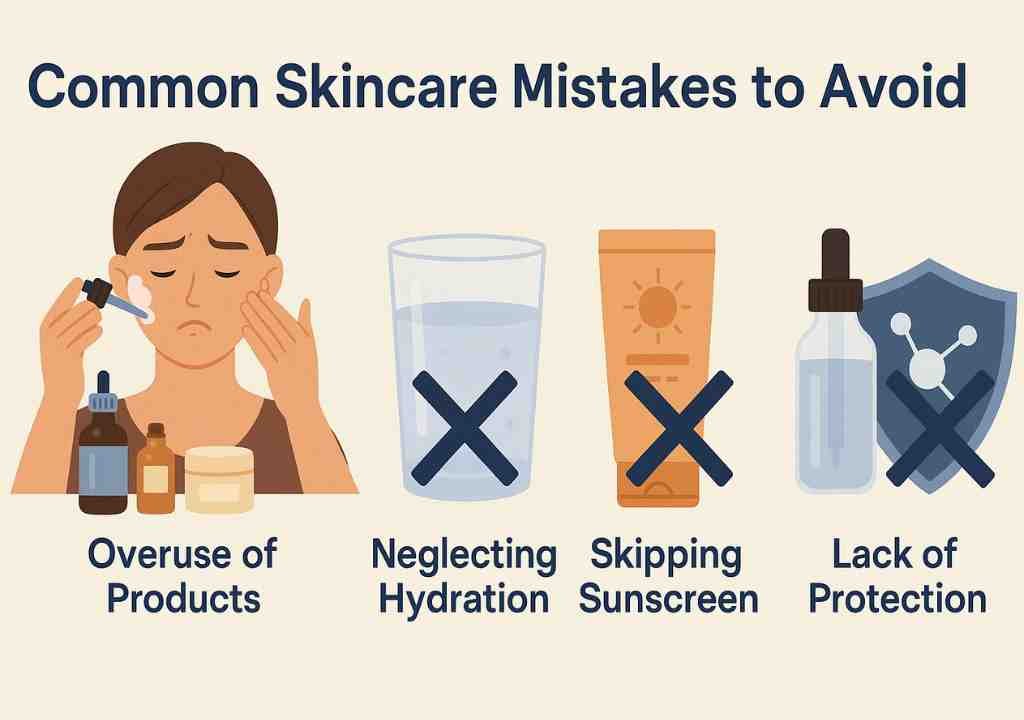
When it comes to nurturing your skin, numerous individuals inadvertently engage in practices that hinder their efforts instead of promoting healthy skin. Understanding and avoiding these common skincare mistakes is essential for those aiming to reverse skin thinning and restore radiance.
First, the overuse of certain products is a prevalent mistake. Many people believe that more is better, leading them to layer multiple products or apply excessive amounts of a single product, such as retinoids or acids. This approach can strip the skin of its natural oils, leading to irritation and increasing the potential for skin sensitivity. It is vital to introduce new products gradually and adhere to a well-balanced skincare routine to achieve optimal results.
Neglecting hydration constitutes another frequent pitfall. The skin’s barrier function is heavily reliant on moisture, and failing to maintain adequate hydration can exacerbate the signs of skin thinning. Individuals should prioritize using moisturizers that suit their skin type, incorporating humectants like hyaluronic acid to draw moisture into the skin. Alongside this, drinking sufficient water throughout the day plays a crucial role in overall hydration.
Additionally, individuals often overlook the importance of protecting their skin from environmental stressors such as UV rays and pollution. Daily use of sunscreen is paramount in guarding against sun damage, which can deteriorate skin health over time. Moreover, antioxidants, found in serums and creams, can help neutralize free radicals, providing an additional layer of protection.
In conclusion, by recognizing and addressing these common skincare mistakes, individuals can effectively work towards reversing skin thinning and enhancing their skin’s radiance. A mindful approach to skincare, emphasizing product usage, hydration, and protection, is essential for achieving a vibrant and youthful complexion.
Skin Thinning FAQs: What You Need to Know
Can thinning skin really be reversed, or is it permanent?
While some degree of skin thinning is a natural part of aging, recent research and advanced skincare solutions can help restore lost collagen, improve hydration, and enhance skin’s thickness and resilience. Ingredients like peptides, retinoids, hyaluronic acid, and antioxidants have been shown to strengthen thinning skin when used consistently. However, results vary by individual and depend on early intervention and a holistic approach—including lifestyle, diet, and sun protection.
What skincare ingredients should I avoid if I have thinning skin?
If your skin is thin or fragile, avoid harsh exfoliants (like strong scrubs or high-strength acids), alcohol-based products, and excessive use of retinoids without medical supervision, as these can worsen irritation or dryness. Instead, look for gentle cleansers, rich moisturizers with ceramides, and formulas labeled as fragrance-free and suitable for sensitive skin.
Are professional treatments like microneedling and laser safe for thin skin?
Professional treatments such as microneedling and certain laser therapies can stimulate collagen production and improve skin texture—but they should always be performed by experienced dermatologists, especially if your skin is already thin or sensitive. Your provider can recommend the safest protocols and determine if you’re a good candidate, minimizing the risk of side effects while maximizing results.
Takeaways
As we look towards 2025, the journey to reversing skin thinning and restoring skin radiance requires a multifaceted approach. To combat the effects of time, environmental stressors, and lifestyle choices, it is crucial to integrate both lifestyle improvements and targeted skincare regimens. By prioritizing hydration, balanced nutrition, and protective habits such as sun avoidance and proper skin cleansing, individuals can significantly enhance the vitality of their skin. These foundational lifestyle changes work synergistically to create an optimal environment for skin renewal.
Additionally, the selection of effective skincare products plays a pivotal role in this endeavor. Formulas that include potent antioxidants, hyaluronic acid, and peptides can bolster the skin’s resilience and encourage a youthful appearance. Regularly incorporating these ingredients into one’s routine can lead to meaningful improvements in skin texture and tone. Furthermore, professional treatments, such as chemical peels or laser therapy, can also be valuable resources for those looking to accelerate the process of skin rejuvenation. Consulting with a dermatologist can provide tailored guidance that aligns with individual skin types and concerns.
In summary, addressing skin thinning is not merely a matter of applying topical solutions; it is a commitment to embracing a holistic lifestyle that nurtures both skin health and overall well-being. By understanding the interconnectedness of skincare and lifestyle, one can take actionable steps towards achieving a more vibrant and resilient complexion. As we approach 2025, let this be an invitation to actively engage in practices that cultivate skin health, ensuring that we embrace the new year with confidence and radiance.
Remember, skin thinning is a journey, not a race. Take care of your skin with a mix of lifestyle changes and maybe a few skincare sidekicks. If you’re curious about more ways to keep your skin happy, check out our video on high cortisol signs – another player in the skin-thinning game.
Like what you’re reading? Give it a thumbs up, share it with your pals, and hit subscribe for more skin-loving content. Until next time, don’t forget the sunscreen – your skin’s best defense! Bye for now! ☀️✨