
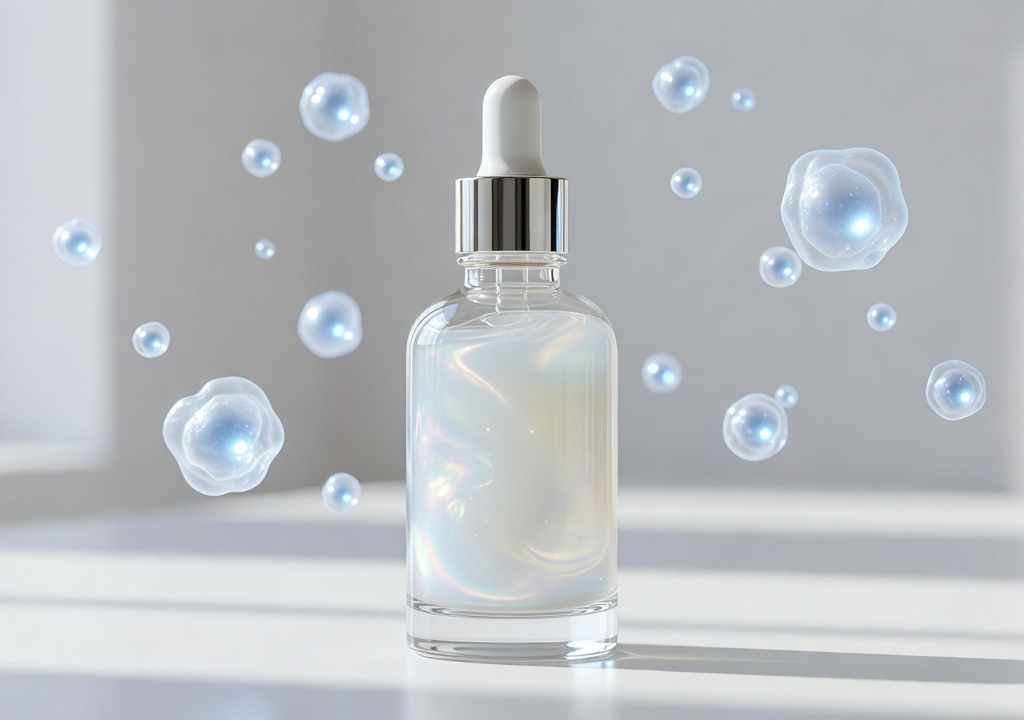
As regenerative medicine advances, exosome therapy for skin is redefining how we treat aging by prioritizing cellular communication over irritation. The landscape of anti-aging skincare is constantly evolving, driven by innovations in molecular biology and regenerative medicine. For decades, one ingredient has reigned supreme: retinol, a derivative of Vitamin A, celebrated for its proven ability to combat wrinkles, texture issues, and hyperpigmentation. Its efficacy is undeniable, yet its notorious side effects redness, peeling, and irritation often force those with sensitive or reactive skin to sideline this powerhouse ingredient entirely, prioritizing comfort over correction. The quest for a potent, non-irritating anti-aging alternative has, therefore, remained a central challenge in cosmetic dermatology.
This pursuit has led to the emergence of a groundbreaking contender: exosome therapy for skin. Exosomes, once considered cellular waste, are now recognized as vital, nano-sized messengers secreted by nearly all cells, including the potent mesenchymal stem cells (MSCs) often used in regenerative aesthetics. Loaded with growth factors, lipids, and nucleic acids, these vesicles are designed by nature to facilitate cell-to-cell commpushes the skin to turn over faster, exosomes provide the internal resources and guidance for the skin to heal and renew itself naturally.
The transition of exosome technology from clinical application (often paired with microneedling or lasers) to accessible, over-the-counter topical serums has positioned it as a direct competitor to retinol in the high-stakes world of at-home anti-aging. The critical difference lies not just in their mechanism of action, but in their compatibility with the compromised skin barrier the hallmark of sensitive skin. This research-based article delves into the core science of both modalities, offering a factual comparison to determine which is the superior choice for individuals seeking significant rejuvenation without the inflammatory cost.
The question is no longer if you should use a powerful anti-aging agent, but which one can deliver maximum results while simultaneously protecting and restoring the delicate balance of a sensitive complexion. For the reactive user, the choice between the established, aggressive accelerator (retinol) and the innovative, gentle regenerator (exosome therapy) is paramount to achieving long-term skin health and aesthetic goals.
The Retinol Paradigm: Proven Efficacy and Its Sensitive Skin Price

Retinol is a gold-standard ingredient, chemically known as an alcohol form of Vitamin A, which converts to retinoic acid in the skin to exert its effects. Its mechanism of action involves binding to specific receptors within skin cells, which then modulates gene expression. This process accelerates the cell turnover cycle in the epidermis, shedding old, damaged cells faster, and simultaneously stimulating fibroblasts in the dermis to ramp up the production of collagen and elastin. The result is a reduction in fine lines, a smoother texture, and a more even skin tone over time.
The Challenge of the “Retinization Process”
For non-sensitive skin, retinol offers transformative results. However, its effectiveness is intrinsically linked to its aggressive nature, leading to a phenomenon known as the “retinization process”. This initial adjustment phase is characterized by common side effects such as redness, flaking, dryness, burning, and increased skin sensitivity. While often temporary, this irritation is a direct consequence of the accelerated turnover and, crucially, the temporary compromise of the skin’s natural moisture barrier.
For individuals whose skin barrier is already compromised due to genetic predisposition, rosacea, or eczema, the introduction of retinol can lead to persistent discomfort and chronic inflammation. This cycle of inflammation is counterproductive, as chronic inflammation is a known accelerant of the aging process itself, potentially negating some of the long-term benefits the user seeks. Furthermore, the ingredient increases photosensitivity, making daily, diligent sunscreen use mandatory—a necessity that can still prove problematic for extremely reactive skin types.
Exosome Therapy: Cellular Communication and Regenerative Power
Exosomes represent a paradigm shift, moving the focus from aggressive cellular acceleration to intelligent, guided regeneration. They are extracellular vesicles ranging from 30 to 150 nanometers in diameter, acting as nature’s tiny communication envelopes. The most commonly studied exosomes in aesthetic medicine are derived from mesenchymal stem cells (MSCs) or platelets, due to their rich cargo of bioactive molecules.
The Anti-Inflammatory, Barrier-Repairing Mechanism
The power of exosome therapy lies in its diverse and comprehensive mechanism. When applied topically (and especially when driven deeper via microneedling), the exosomes fuse with recipient skin cells, offloading their beneficial payload. This cargo includes:
- Anti-Inflammatory Cytokines and MicroRNAs: These molecules actively modulate the immune and inflammatory response, which is a key reason exosomes are excellent for calming redness and irritation—making them exceptionally well-suited for sensitive or rosacea-prone skin.
- Growth Factors (e.g., EGF, TGF-β): These factors stimulate fibroblast proliferation and function, leading to a significant increase in the synthesis of new collagen and elastin, restoring the skin’s structural integrity.
- Lipids and Proteins: These components promote epidermal differentiation, leading to improved skin barrier function and enhanced hydration. This is a crucial distinction: where retinol can temporarily strip the barrier, exosomes actively help to rebuild and reinforce it, resulting in a healthier, more resilient, and less reactive complexion over time.
Exosomes effectively address multiple signs of aging—including fine lines, wrinkles, texture, and tone—by stimulating cellular repair and regeneration without the initial inflammatory push that characterizes retinol use. This dual action of calming inflammation while boosting regeneration positions them as a regenerative option that is kind to the skin’s intrinsic health.
The Reality of At-Home Exosome Skincare: Efficacy and Regulation
The clinical application of exosomes, often performed in a professional setting, has demonstrated potent results, particularly for post-procedure healing and enhanced collagen production. However, the current consumer interest is centered on at-home exosome serums, a relatively new and evolving category.
The efficacy of topical exosome products hinges on two major factors: source material and skin penetration.
Source and Composition: Cosmetic exosomes are typically either human-derived (e.g., platelet-derived exosomes, which are nucleus-free and cannot replicate) or plant-derived/lab-made. While all sources aim to deliver regenerative signals, the concentration and purity of the beneficial growth factors can vary widely between brands, especially since the market is not yet federally regulated with a “gold standard” of purification. Reputable brands focus on rigorous testing and sourcing transparency to ensure a strong safety profile for their cosmetic-grade, topical-use-only formulas.
Regulatory Context: It is vital to understand that exosome products are not currently FDA-approved for aesthetic or medical use, classifying them in a regulatory “gray zone“. The FDA has issued warnings regarding non-approved regenerative medicine products, which emphasizes the need for consumers to purchase topical serums only from established, reputable skincare brands that openly disclose their ingredients and testing.
While at-home topical application may not achieve the deep penetration of in-office treatments (like those using microchannels created by microneedling), high-quality exosome serums still deliver significant topical benefits, including improved tone, texture, luminosity, and a reduction in visible redness. They are best utilized as a barrier-repairing, regenerative booster to maintain skin health and sustain results between professional treatments or to complement other non-irritating active ingredients.
Why Exosome Therapy for Skin Outperforms Retinol for Reactive Types: A Head-to-Head Comparison
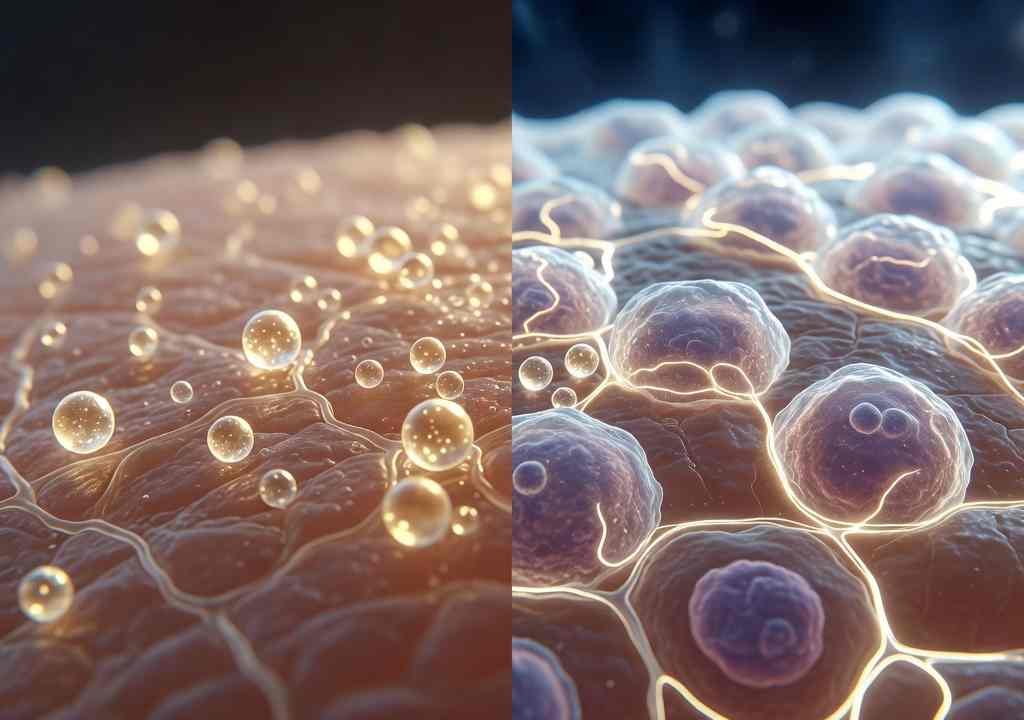
When advising a sensitive skin patient, a dermatologist’s recommendation hinges on the acceptable level of initial risk and the patient’s primary concern—structural aging (deep wrinkles) versus inflammatory aging (redness, dullness, and compromised barrier). The comparison below highlights the key differences between the proven, but harsh, standard and the gentle, regenerative newcomer.
| Feature | At-Home Exosome Therapy (Topical) | Retinol (Topical) |
|---|---|---|
| Mechanism of Action | Cell-to-cell communication; Delivers growth factors to instruct cells to repair, regenerate, and reduce inflammation. | Vitamin A derivative; Converts to retinoic acid to bind to cell receptors, forcing accelerated cell turnover and collagen production. |
| Suitability for Sensitive Skin | Excellent. Strong anti-inflammatory properties; helps rebuild the skin barrier. Generally well-tolerated with minimal to no adjustment phase. | Fair/Poor. High risk of initial irritation (redness, dryness, peeling) known as ‘retinization’. Temporarily weakens the skin barrier. Requires gradual introduction. |
| Primary Benefit Focus | Regeneration, barrier repair, reducing inflammation, improving texture, tone, and luminosity (“glow“). | Structural anti-aging (deep wrinkles, fine lines), pigmentation, and long-term cell turnover. |
| Onset of Visible Results | Often quicker for aesthetic improvements (glow, reduced redness, hydration) due to barrier repair. | Slower for deep structural changes (requires 3–6+ months of consistent use to overcome the initial irritation). |
| Regulatory Status (US) | Topical cosmetics are not FDA-approved. Falls in a “gray zone“; quality varies by brand. | Established, widely regulated, and proven over decades of use. |
The Synergy Strategy: Combining Exosomes and Retinol Safely
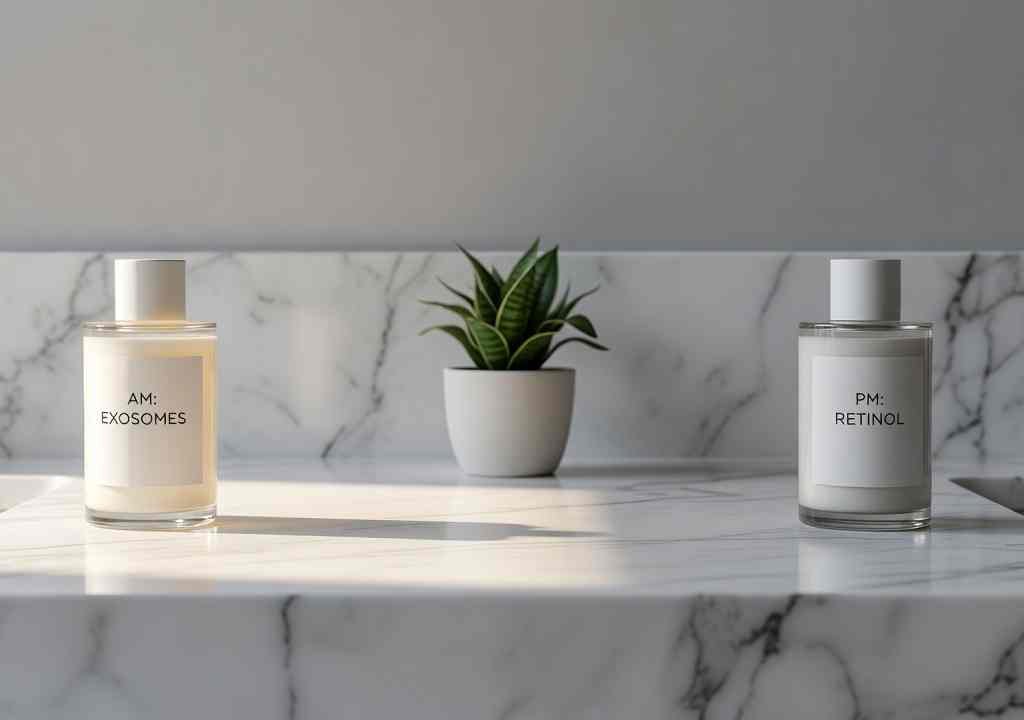
The most exciting development is the understanding that these two modalities are not mutually exclusive, but can be highly synergistic when used correctly. For those with sensitive skin who still desire the structural benefits of retinol, exosomes can act as the ideal buffer and repair agent. The combination approach capitalizes on retinol’s power to stimulate deep collagen production and the exosome’s ability to soothe inflammation and repair the skin barrier simultaneously.
Optimizing a Dual-Active Routine
A dermatologist-recommended strategy for using both includes:
1. Exosomes in the Morning: Apply the at-home exosome serum in the AM. Paired with an antioxidant like Vitamin C and a broad-spectrum SPF, the exosomes’ regenerative and anti-inflammatory properties help prepare the skin for the day, reduce morning redness, and enhance antioxidant protection.
2. Retinol in the Evening: Apply a low-concentration retinol product at night, when skin is in its repair phase. The gentle, repairing work done by the exosomes during the day can help mitigate the dryness and irritation caused by the retinol overnight.
3. The Sandwich Technique: Sensitive users should consider applying a simple moisturizer before and after the retinol to further buffer its penetration and minimize irritation, allowing the skin to adjust over weeks or months.
This careful integration allows the skin to benefit from retinol’s decades of proven efficacy while leveraging the next-generation, barrier-boosting intelligence of exosome therapy to maintain a calm, hydrated, and resilient complexion.
The Future of Regenerative Skincare: Moving Beyond Harsh Actives
Exosome technology is part of a broader movement in regenerative aesthetics that seeks to optimize the skin’s intrinsic healing capabilities rather than relying on aggressive, prescriptive ingredients. The science suggests that by supplying the skin with the precise “instructions” (the bioactive cargo) it needs, it can be guided to a younger, healthier state from the cellular level. This approach aligns perfectly with the needs of sensitive skin, which thrives on gentle support and barrier reinforcement, not aggressive stimulation. As research continues to advance, the refinement of exosome sourcing, purification, and delivery systems will likely cement its role as a safer, yet equally powerful, primary anti-aging ingredient for a majority of consumers.
Frequently Asked Questions (FAQs)
Is at-home exosome therapy a medical treatment?
At-home exosome therapy is classified as a cosmetic skincare product for topical use only and is not considered a medical treatment. Medical-grade exosome treatments are typically administered in a clinical setting alongside procedures like microneedling or laser therapy to enhance healing and regeneration, but even these are not currently FDA-approved for aesthetic use. Consumers should be cautious of any topical product making explicit medical claims, and the safety and efficacy of at-home serums largely depend on the sourcing and reputation of the brand.
What is the main difference in how exosomes and retinol treat wrinkles?
Retinol treats wrinkles by accelerating the skin cell turnover rate and forcing the production of new collagen, effectively resurfacing the skin and encouraging structural protein synthesis. Exosomes treat wrinkles differently; they act as cellular messengers, delivering comprehensive ‘instructions’ (growth factors, proteins) to dormant or aging skin cells, prompting them to naturally repair and regenerate themselves, which includes boosting collagen and elastin production and reducing the inflammatory state that causes aging. Exosomes are seen as providing the skin with resources to heal, while retinol pushes the skin to work harder.
Why do dermatologists recommend exosome serums for sensitive skin over retinol?
Dermatologists often favor exosome serums for sensitive skin because of their potent anti-inflammatory properties and their ability to strengthen the skin barrier. Sensitive skin typically has a compromised barrier and a high baseline of inflammation, and retinol’s initial action of speeding up cell turnover can exacerbate this by stripping the barrier and causing irritation. Exosomes, conversely, help rebuild the barrier by delivering essential lipids and proteins directly to the cells, promoting a calmer, more resilient complexion without the inflammatory risk.
Can topical exosome serums really penetrate the skin effectively to work?
Topical exosome serums face a challenge in penetrating the stratum corneum due to their nano-size, but they are still highly effective on the surface and in the upper layers of the skin, where they can influence cell communication. When applied at home, they can significantly improve aesthetic markers like tone, texture, and radiance by supporting cell regeneration and reducing inflammation. For deeper penetration and more pronounced regenerative effects, dermatologists pair exosome serums with in-office treatments like microneedling, which create micro-channels to deliver the vesicles deeper into the skin.
Are there any safety concerns with using at-home exosome skincare products?
While topical cosmetic exosomes derived from sources like platelets have shown a strong safety profile in studies and real-world use for external application, the main concern relates to the lack of universal industry regulation. Because exosomes are not FDA-approved for aesthetic use, sourcing and quality control can vary greatly among brands. Consumers should only use products from transparent, reputable brands that perform rigorous testing, and be aware that the safety concerns often discussed in medical literature relate to internal, unpurified, or improperly injected products, not topical cosmetics.
How quickly can a user with sensitive skin expect to see results from Exosome Therapy compared to Retinol?
A user with sensitive skin will often notice quicker “aesthetic” improvements—such as a reduction in visible redness, a calmer complexion, and enhanced skin luminosity and hydration—from topical exosome therapy, often within a few weeks. Retinol, on the other hand, requires a slow and gradual introduction to minimize irritation, meaning that noticeable structural improvements like reduced fine lines and deep wrinkles typically take at least three to six months or more of consistent use. The immediate calming and barrier-repairing action of exosomes provides a faster subjective sense of “improvement” for the reactive user.
Final Verdict
For the sensitive skin consumer seeking a potent, next-generation anti-aging solution, the choice between At-Home Exosome Therapy and Retinol leans decisively toward the regenerative newcomer. While retinol remains the gold standard for proven, structural anti-aging and deep wrinkle reduction, its core mechanism involves an inflammatory, barrier-compromising retinization process that directly conflicts with the foundational needs of reactive skin. For users who struggle with persistent redness, irritation, or an impaired barrier—conditions characteristic of sensitive skin—exosome therapy provides a pathway to profound rejuvenation by actively calming inflammation and strengthening the skin’s natural defenses from a cellular level. It is the regenerative option that prioritizes long-term skin health alongside aesthetic improvement.
The final recommendation for the sensitive skin profile is to begin with At-Home Exosome Therapy as a primary regenerative active. It offers a gentle, non-inflammatory route to improved texture, glow, and barrier resilience, which are the immediate aesthetic goals sensitive users prioritize. For those who have successfully acclimated their sensitive skin to low-strength retinol, the synergistic use of exosomes in the morning and retinol in the evening offers the best of both worlds—leveraging retinol’s proven structural power while utilizing exosomes to repair and buffer the skin’s barrier. However, given the current regulatory landscape, due diligence in selecting a reputable, transparent brand for any at-home exosome serum is paramount to ensure safety and potency.
References:
- Journal of Controlled Release: Exosomes in Regenerative Medicine and Drug Delivery (Academic source for exosome science).
- The Journal of Clinical and Aesthetic Dermatology: Retinoids in the Treatment of Skin Aging (Gold-standard proof for Retinol efficacy).
- U.S. Food & Drug Administration (FDA): Consumer Alert on Regenerative Medicine Products (Essential for the “Regulatory Context” section).