
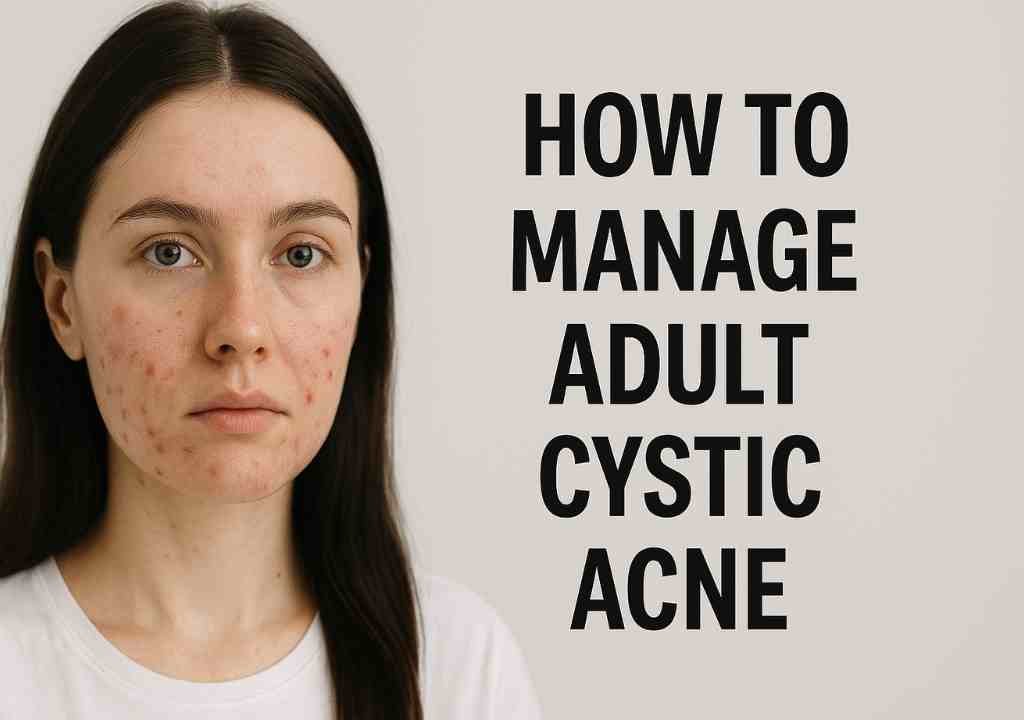
Finding the best acne treatment for adult cystic acne is a critical concern for many adults who struggle with deep, painful, and persistent breakouts that do not respond to over-the-counter products. Unlike surface-level pimples, adult cystic acne forms deep within the skin, causing intense inflammation, physical discomfort, emotional distress, and a high risk of permanent scarring and dark marks.
In adult women especially, cystic acne is frequently driven by hormonal fluctuations. Androgens can trigger excess oil production and inflammation, leading to recurrent deep cysts along the jawline, chin, and neck. Because these lesions develop so far beneath the skin’s surface, they rarely respond to standard skincare and instead demand a targeted medical approach that treats the root causes inside the follicle.
This professional guide breaks down the most effective prescription medications, hormonal therapies, and in-office dermatology procedures used today to control severe cystic acne, prevent scarring, and achieve long-term skin clarity with medical precision.
The best acne treatment for adult cystic acne depends on severity and hormonal involvement. Dermatologists most commonly recommend oral isotretinoin for severe scarring acne, spironolactone for hormonal jawline acne in women, oral antibiotics for short-term inflammation control, and prescription retinoids for long-term maintenance. Intralesional corticosteroid injections provide the fastest relief for painful cysts, while lasers and microneedling treat scars after acne clears.
Understanding the Pathology of Adult Cystic Acne
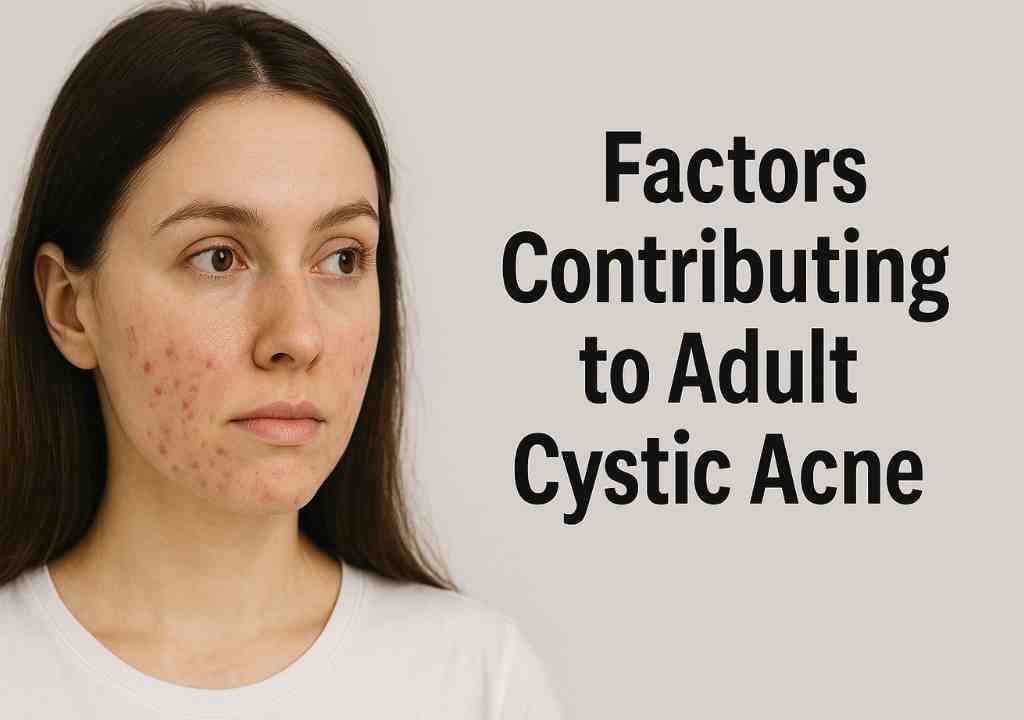
Cystic acne is classified as the most severe form of *acne vulgaris* and is clinically defined by the presence of large, inflamed, and tender cysts and nodules. These lesions develop when a hair follicle ruptures deep within the dermis, releasing a mix of oil (sebum), dead skin cells, and *Cutibacterium acnes* (C. acnes) bacteria into the surrounding tissue. The body’s immune response to this deep-seated contamination is intense inflammation, leading to the formation of hard, painful, pus-filled sacs that can persist for weeks or months.
Key Contributing Factors in Mature Skin
Adult acne, often referred to as “late-onset” or “persistent” acne, is overwhelmingly linked to four primary pathogenic factors: increased sebum production, follicular hyperkeratinization (clogged pores), bacterial proliferation (C. acnes), and inflammation. In adult patients, these factors are frequently amplified by specific systemic issues:
- Hormonal Fluctuations: This is arguably the most dominant factor in adult women, with conditions like Polycystic Ovary Syndrome (PCOS) or natural monthly menstrual cycles causing androgen sensitivity or overproduction.
- Genetic Predisposition: A strong family history of severe acne significantly increases the likelihood of developing cystic acne in adulthood.
- Chronic Stress: While stress does not directly cause acne, it can trigger hormonal changes, specifically elevated cortisol, which in turn can stimulate oil glands and exacerbate inflammatory breakouts.
- Cosmetics and Skincare: The use of comedogenic or irritating cosmetic products can contribute to follicular occlusion, worsening an existing predisposition to cysts.
Systemic Therapies: The Gold Standard for Deep-Seated Cysts
Due to the depth and severity of cystic lesions, topical treatments alone are rarely sufficient for resolution. Systemic (oral) medications are the cornerstone of treatment, offering the best chance for controlling the inflammatory process and preventing subsequent scarring.
Isotretinoin: The Most Potent Option
Oral isotretinoin, a systemic retinoid historically known by the brand name Accutane, is widely recognized by dermatologists as the single most effective treatment for severe, recalcitrant nodular and cystic acne. It is the only drug that targets all four primary causes of acne simultaneously: it dramatically reduces sebum production (by up to 90% within six weeks), regulates follicular keratinization, decreases C. acnes populations, and has potent anti-inflammatory effects.
For patients with severe cystic acne, especially those who have not responded to a trial of oral antibiotics and topical therapies, isotretinoin is strongly recommended as a first-line therapy. A standard course aims for a cumulative dose of 120-150 mg/kg, which is associated with high rates of long-term remission, often permanently clearing acne in about half of all patients. However, its use requires strict monitoring, particularly mandatory pregnancy prevention programs due to its severe teratogenic risks, along with periodic blood tests to monitor liver function and lipid levels.
Hormonal Management: Spironolactone and Oral Contraceptives
For adult women, particularly those whose cystic lesions concentrate around the jawline, chin, and neck; classic signs of hormonal influence, hormonal therapy is a highly effective, and often preferred, systemic option.
Spironolactone: This oral medication, an aldosterone receptor antagonist and diuretic, is prescribed off-label as an anti-androgen for women with hormonal acne. It works by blocking androgen receptors on the sebaceous glands, thereby reducing oil production. Studies have shown remarkable success rates, with some data indicating improvement in acne for over 90% of women who had not previously received treatment. Dosing typically ranges from 50 to 150 mg per day, with noticeable improvement often taking 3 to 6 months. Spironolactone is generally not used for men due to potential side effects like breast growth (gynecomastia).
Combined Oral Contraceptive Pills (COCPs): Certain COCPs that contain both estrogen and progestin are FDA-approved for acne treatment in women. They work by suppressing androgen production and decreasing circulating free testosterone, thereby reducing sebum. COCPs are an excellent choice for women seeking both effective acne treatment and reliable contraception.
Targeting Pathogens and Inflammation: Oral and Topical Combinations
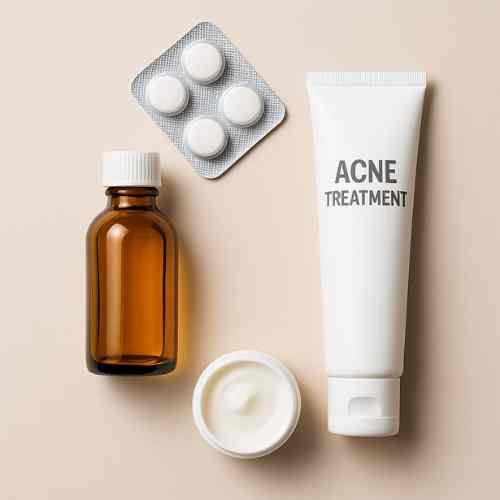
Before escalating to isotretinoin, or as an initial therapeutic bridge, dermatologists often prescribe a combination of oral antibiotics and topical agents to bring severe inflammation under control.
Oral Antibiotics
Oral antibiotics, primarily those in the tetracycline class such as doxycycline and minocycline, are prescribed to combat the deep bacterial infection (C. acnes) and reduce the intense inflammation associated with cystic acne. Due to the serious concern of increasing antibiotic resistance, these medications should only be used for the shortest duration necessary—typically a maximum of three to four months, and must be combined with topical therapy, such as benzoyl peroxide, to minimize resistance development and maximize efficacy.
Advanced Topical Therapies: The Non-Negotiable Foundation
While topical products may not resolve a full cystic flare-up, they are an essential component of *every* cystic acne regimen, serving both as initial treatment for milder cases and as long-term maintenance therapy following oral medication.
Prescription-Strength Retinoids: Topical retinoids (e.g., tretinoin, tazarotene, trifarotene) are vitamin A derivatives that normalize skin cell turnover, effectively unclogging the hair follicle and preventing the formation of new cysts. They are the foundation of acne treatment and also possess anti-inflammatory properties and help to fade post-inflammatory hyperpigmentation (PIH).
Because retinoids are powerful and can easily irritate sensitized, acne prone skin, it is essential to introduce them slowly, buffer when needed, and pair them with barrier friendly support products. If you are new to vitamin A derivatives, start with a low, patient approach like the one outlined in our step by step guide on how to start using retinol.
Benzoyl Peroxide: This powerful ingredient is recommended for cystic acne because it is a potent keratolytic, breaking down the pore-clogging material, and a strong antibacterial agent that works without the risk of bacterial resistance, making it an ideal partner for topical or oral antibiotics. Concentrations of 4% to 5% are often preferred for body acne, while lower concentrations (2.5%) may be recommended for the face to minimize irritation.
Immediate Interventions and In-Office Procedures
For acute, painful cystic lesions, or to address the sequelae of acne such as scarring and discoloration, a dermatologist can employ a number of in-office procedures that offer rapid or long-term structural improvement.
Intralesional Corticosteroid Injections:
Often referred to as a “cortisone shot,” this procedure involves injecting a dilute corticosteroid solution directly into a large, inflamed cyst. This delivers a potent anti-inflammatory dose precisely where it is needed, rapidly reducing swelling, pain, and the cyst’s size, often within 24 to 48 hours. This is a crucial intervention to prevent rupture and subsequent deep-pitted scarring.
Chemical Peels:
In-office chemical peels, using agents like salicylic, glycolic, or trichloroacetic acid (TCA), work by exfoliating the outer layer of skin, unclogging pores, and reducing inflammation. While not a definitive treatment for active, severe cysts, they are excellent for improving the overall texture, treating mild acne components, and reducing post-inflammatory marks.
Light and Energy-Based Therapies:
Various light and laser systems, including Photodynamic Therapy (PDT) and BroadBand Light (BBL) therapy, target the P. acnes bacteria and reduce the activity of the oil glands. These are often used when a patient is non-responsive to or reluctant to use oral antibiotics or isotretinoin, or as part of a comprehensive maintenance plan.
Managing the Aftermath: Scars and Hyperpigmentation
A critical part of the best acne treatment for adult cystic acne is not just clearing the active lesions, but also mitigating the long-term visual reminders of the disease. Cystic acne frequently leaves behind atrophic scars (pitted, depressed areas) and post-inflammatory hyperpigmentation (PIH) (red/brown/purple marks).
For Post-Inflammatory Hyperpigmentation (PIH):
Topical retinoids (as mentioned above) are highly effective, as are azelaic acid and hydroquinone (prescription). Chemical peels and light-based treatments are also routinely employed to accelerate the fading of these marks.
Chemical peels and light based treatments are also routinely employed to accelerate the fading of these marks. For patients who want to support their dermatologist’s plan with gentle options at home, we also discuss simple, evidence inspired approaches in our article on home remedies to reduce hyperpigmentation.
For Atrophic Scars:
- Radiofrequency (RF) Microneedling: This treatment combines traditional microneedling with radiofrequency energy to stimulate deeper collagen production, effectively “plumping” the depressed scars. This treatment combines traditional microneedling with radiofrequency energy to stimulate deeper collagen production, effectively “plumping” depressed scars. Because the skin is deliberately injured in a controlled way, it is crucial to prepare properly and follow aftercare instructions to avoid complications, as explained in our detailed guide on how to prepare for microneedling treatment.
- Laser Resurfacing (e.g., Fractional CO2): Lasers create controlled micro-injuries in the scarred tissue, prompting the growth of new, healthier collagen to rebuild the skin’s structure.
- Subcision and Fillers: For deeper, “rolling” scars, subcision (breaking up the fibrous bands that pull the skin down) followed by dermal fillers can dramatically improve the skin’s surface contour.
A Comparative Look at Systemic Cystic Acne Treatments
| Treatment | Primary Use Case | Mechanism of Action | Typical Efficacy | Key Considerations |
|---|---|---|---|---|
| Oral Isotretinoin (e.g., Accutane) | Severe, recalcitrant cystic or nodular acne, or moderate acne with scarring | Dramatically reduces sebum production by up to 90 percent, normalizes keratinization, reduces inflammation, and targets all four acne-causing mechanisms | Around 81 percent of patients achieve over 90 percent lesion reduction with high long-term remission rates | Severe teratogenic risk requiring strict pregnancy prevention. Regular blood monitoring for liver enzymes and lipid levels is mandatory |
| Oral Spironolactone (Off-label) | Hormonal cystic acne in adult females, especially jawline and chin | Blocks androgen receptors on oil glands, reducing oil production | Up to 93 percent improvement rate in women | Not suitable for men or during pregnancy. Potassium monitoring may be required in some patients |
| Oral Antibiotics (e.g., Doxycycline) | Moderate to severe inflammatory acne for short-term control | Suppresses C. acnes bacteria and reduces inflammation | Effective when combined with topical therapy but results are temporary | Risk of antibiotic resistance. Limited to short treatment durations of 3 to 4 months and must be paired with benzoyl peroxide |
A Holistic Approach to Adult Skin Resilience
While prescription treatments are vital, managing adult cystic acne requires a commitment to nurturing skin health holistically. This means avoiding harsh scrubs and picking, which can worsen inflammation and increase the risk of scarring. Integrating a gentle, non comedogenic skincare regimen is non negotiable, starting with a cleanser that supports acne prone but reactive skin. If your skin is easily irritated by treatment, you may find it helpful to switch to a guide driven choice, such as our breakdown of the best acne face wash for sensitive skin.
Because many of the most effective cystic acne treatments can dry or thin the skin, it is important to watch for early signs of barrier damage, like burning, stinging, or persistent redness. If you suspect your barrier is compromised, pause harsh actives and review our checklist of signs of damaged skin barrier before adjusting your routine.
Furthermore, lifestyle factors such as stress management and dietary considerations can act as powerful adjuncts to medical therapy, supporting the body’s overall inflammatory profile and promoting greater skin resilience.
Final Considerations on Treatment Commitment
The road to clear skin from adult cystic acne can be lengthy, with most systemic treatments requiring three to six months to show their full effect. Persistence is key, and it is crucial for patients to understand that the initial treatment phase may involve a transition where the skin briefly worsens before improvement is noted. Working closely with a dermatologist to adjust dosages, manage side effects, and transition to a maintenance regimen is essential for achieving a successful, sustained outcome.
Frequently Asked Questions (FAQs)
1. What is the difference between cystic acne and a regular pimple?
Cystic acne is the most severe form of acne, characterized by large, deep, painful, and inflamed cysts or nodules that form far beneath the skin’s surface when a hair follicle ruptures deep in the dermis. A regular pimple, such as a whitehead or pustule, is a surface-level lesion that is smaller, less painful, and generally easier to treat with over-the-counter topical products. Because cystic acne is so deep and involves intense inflammation, it carries a much higher risk of permanent scarring and requires prescription-strength or systemic medication for proper clearance.
2. Can over-the-counter (OTC) products effectively treat adult cystic acne?
While some OTC ingredients are valuable for prevention and maintenance, they are generally insufficient to clear a full flare-up of adult cystic acne because the inflammation is deeply rooted beneath the skin. The most potent OTC option is adapalene gel (a retinoid) which can help prevent new cysts and ease existing inflammation, but for large, deep, and painful cysts, prescription treatments like oral antibiotics, hormonal therapy, or isotretinoin are almost always necessary. Dermatologists recommend seeking professional help immediately for cystic acne to prevent permanent scarring.
3. How long does it take to see results from prescription cystic acne treatments?
The timeline for improvement varies depending on the specific treatment prescribed, but patience is essential as full clearance takes time. For oral medications like spironolactone, it can take anywhere from three to six months to see the full therapeutic effects on acne. Oral isotretinoin courses typically last 15 to 20 weeks, with significant improvement often noticed around four months. Topical prescription retinoids, the foundation of a maintenance regimen, can take 8 to 12 weeks to fully normalize cell turnover and start showing a noticeable impact.
4. Is isotretinoin (Accutane) safe, and what are the major risks for adults?
Isotretinoin is considered the most effective drug for severe acne and is safe when taken under strict medical supervision, yet it is reserved for severe cases due to its potent nature and potential side effects. For all patients, common side effects include dry lips, dry skin, and increased sun sensitivity, while required monitoring involves periodic blood tests for liver function and lipid levels. The most serious risk is its severe teratogenicity, meaning it can cause devastating birth defects, which mandates a strict risk management and pregnancy prevention program for all women of childbearing potential.
5. What in-office procedure offers the quickest relief for a painful cyst?
The quickest and most targeted relief for a large, painful, and inflamed cystic lesion is an intralesional corticosteroid (cortisone) injection, which must be performed by a dermatologist. This procedure involves injecting a small amount of diluted steroid directly into the cyst, which rapidly reduces inflammation and swelling, often causing the blemish to flatten and heal significantly within 24 to 48 hours. This rapid intervention is crucial for minimizing pain and, most importantly, preventing the subsequent development of deep, permanent acne scars.
6. If my cystic acne is hormonal, will it eventually go away on its own?
While some forms of acne may resolve with time, hormonal cystic acne is persistent and rarely goes away completely without targeted medical intervention in adults. It is characterized by deep breakouts that cycle with hormonal fluctuations, such as the menstrual cycle, and this chronic inflammatory process will continue to cause damage and scarring if left unmanaged. Seeking treatment with anti-androgen medications like spironolactone or certain oral contraceptives is the most effective way to regulate the underlying hormonal cause and achieve sustained remission.
Expert Conclusion on the Best Acne Treatment for Adult Cystic Acne
Adult cystic acne is a complex, painful, and psychologically demanding condition that necessitates a professional, aggressive treatment plan to mitigate the high risk of permanent scarring. The consensus among dermatologists is clear: treatment must be multimodal, moving beyond superficial topical products to address the systemic nature of the inflammation and follicular occlusion. The definitive “best acne treatment for adult cystic acne” is not a single product but a carefully sequenced regimen, most often centered on a powerful systemic medication.
For both men and women with severe, scarring-prone cystic acne, oral isotretinoin stands as the unparalleled gold standard, offering the highest likelihood of long-term remission with just one course of therapy. Conversely, for adult women whose acne predominantly presents along the jawline and is linked to hormonal fluctuations, oral spironolactone combined with a prescription-strength topical retinoid represents an outstanding, highly effective alternative. Immediate relief for acute cysts through intralesional corticosteroid injections is crucial for preventing permanent dermal damage. The path to clear skin requires professional guidance, persistence, and a commitment to maintenance, but with these advanced, expert-backed treatments, long-term clarity is an entirely achievable goal.
Sources Reference:
- Layton, A. M. (2009). The use of isotretinoin in acne. Dermatology and Therapy, 22(2), 118–128. National Institutes of Health (NIH).
https://www.ncbi.nlm.nih.gov/pmc/articles/PMC2835909/ - Verywell Health. (n.d.). Should you consider Accutane for severe acne? https://www.verywellhealth.com/should-you-consider-accutane-for-severe-acne-15638
- Dermatology Times. (n.d.). Spironolactone safe and effective for adult female acne. https://www.dermatologytimes.com/view/spironolactone-safe-and-effective-adult-female-acne
- GoodRx Health. (n.d.). Spironolactone to treat acne: What to know. https://www.goodrx.com/conditions/acne/spironolactone-to-treat-acne-what-to-know