
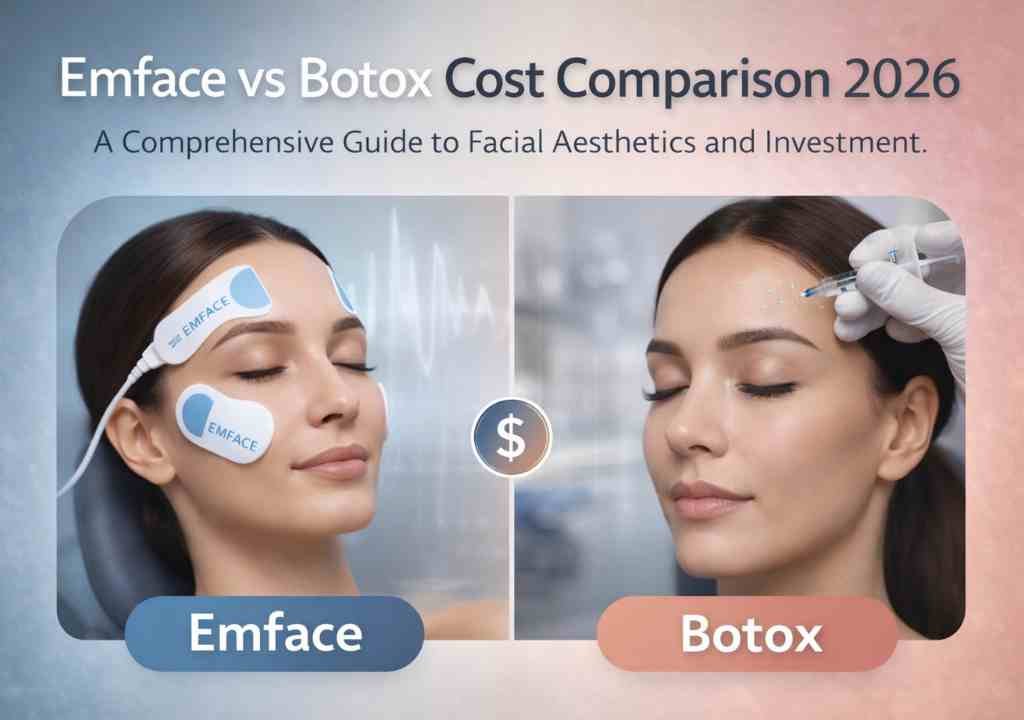
The comparative analysis of Emface vs Botox cost presents a pivotal consideration for individuals seeking advanced facial aesthetic solutions in 2026. As the aesthetic landscape continues its rapid evolution, non-invasive modalities offering both immediate and long-term benefits are gaining unparalleled traction. This comprehensive pillar page meticulously dissects the financial implications, mechanistic distinctions, and clinical efficacies of Emface and Botox, positioning 2026 as a transformative year for facial muscle toning and overall rejuvenation. Understanding the nuanced differences between these two prominent treatments is crucial for making informed decisions tailored to individual aesthetic aspirations and budgetary parameters.
Emface vs. Botox: A Paradigm Shift in Facial Aesthetics for 2026
The pursuit of a youthful and sculpted facial contour has propelled innovations in aesthetic medicine. In 2026, the discussion around facial rejuvenation frequently centers on two distinct, yet often considered complementary, treatments: Emface and Botox. While both aim to enhance facial aesthetics, their underlying mechanisms, target areas, and consequently, their cost structures, diverge significantly. This article provides an in-depth exploration into these differences, empowering discerning clients and practitioners with the knowledge required to navigate the sophisticated world of non-surgical facial enhancement.
Understanding the Core Technologies: Emface’s Muscle Toning vs. Botox’s Neuromodulation
Emface: Harnessing Synchronized RF and HIFES for Muscle Toning and Skin Tightening
Emface represents a cutting-edge, non-invasive aesthetic procedure designed to lift the face without surgery. For a full breakdown of the science behind this technology, see our Comprehensive 2026 Guide to Emface Treatment Benefits. It uniquely employs a synergistic combination of Synchronized Radiofrequency (RF) and high-intensity facial electromagnetic stimulation (HIFES™) technologies.
The Synchronized RF component gently heats the dermis, stimulating collagen and elastin production, which leads to dermal remodeling and improved skin tightness and texture. Concurrently, the HIFES™ technology selectively contracts facial muscles, particularly the frontalis (forehead), zygomaticus major and minor (cheeks), and risorius (corner of mouth) muscles. These supramaximal contractions induce hypertrophy (muscle growth) and hyperplasia (increase in muscle fibers), effectively lifting and toning the facial musculature.
This dual-action mechanism makes Emface particularly effective for individuals seeking to reduce the appearance of fine lines and wrinkles by restoring muscle tone and volume, creating a natural lifting effect without injections. It is often lauded for its ability to create a more defined facial contour and improve overall skin quality. A typical Emface treatment protocol involves a series of sessions, often four, spaced 2-14 days apart, with each session lasting approximately 20 minutes. Maintenance sessions may be recommended periodically to sustain optimal results.
Botox (Botulinum Toxin Type A): The Gold Standard for Dynamic Wrinkle Reduction
Botox, a brand name for OnabotulinumtoxinA, is a purified neurotoxin that has been the cornerstone of aesthetic medicine for decades. Its mechanism of action involves temporarily blocking nerve signals to specific muscles, preventing them from contracting. By relaxing these muscles, Botox effectively smooths out dynamic wrinkles and lines that form due to repetitive facial expressions, such as frown lines (glabellar lines), crow’s feet, and forehead lines.
The effects of Botox are localized and temporary, typically lasting three to four months, after which muscle activity gradually returns. The treatment involves a series of small injections directly into the targeted muscles. The precision of injection placement is paramount to achieving natural-looking results and avoiding unwanted side effects. Botox is primarily indicated for addressing wrinkles caused by muscle movement, not for static wrinkles or volume loss, which often require different aesthetic interventions.
The Critical Analysis: Emface vs Botox Cost in 2026
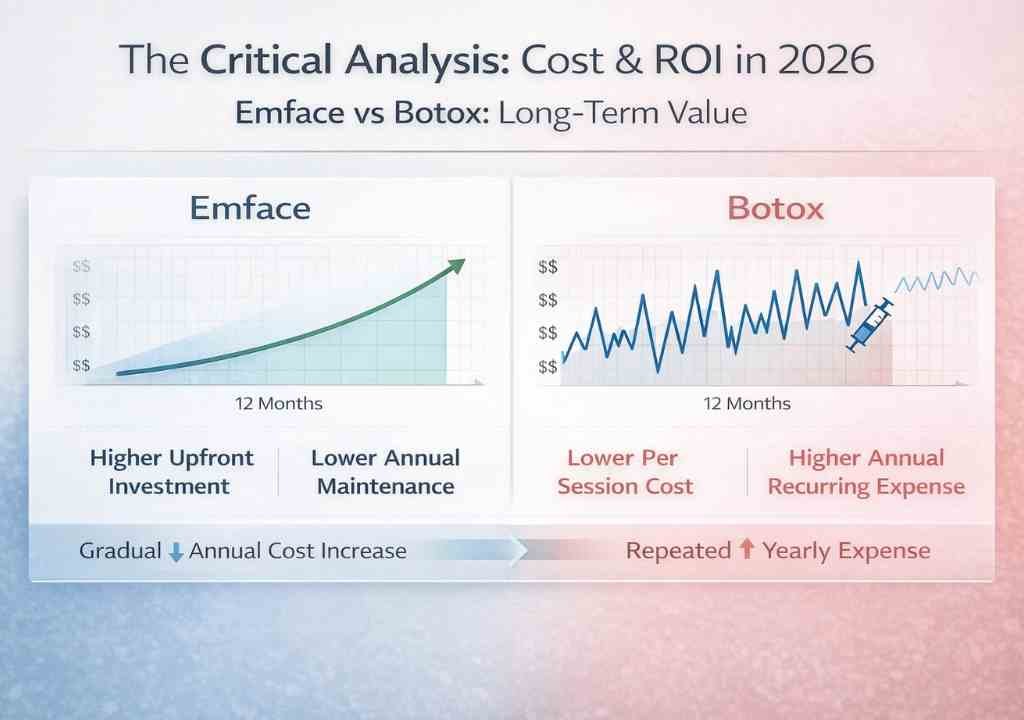
A comprehensive understanding of the financial commitment for both Emface and Botox is essential for prospective clients. The Emface vs Botox cost comparison is not merely about a single treatment price but encompasses the full treatment course, potential maintenance, and the longevity of results.
Emface Cost Considerations in 2026
The cost of Emface treatment in 2026 can vary significantly based on geographic location, the clinic’s reputation, and the specific package offered. A full treatment series typically includes four sessions. While exact 2026 figures require direct clinic consultation, available data from late 2024 and early 2025 indicated a price range of approximately $4,000 to $6,000 for a complete series of four treatments.
- Per Session Cost: When broken down, an individual Emface session might range from $1,000 to $1,500. However, most clinics offer package deals that reduce the per-session cost when committing to the full protocol.
- Maintenance: To sustain the muscle-toning and skin-tightening benefits, maintenance treatments may be recommended every 6-12 months. The cost for these single sessions would be similar to the per-session rate within a package or slightly higher.
- Factors Influencing Cost:
- Provider Expertise: Highly experienced practitioners or renowned aesthetic clinics may command higher prices.
- Geographic Location: Major metropolitan areas often have higher overheads, reflected in treatment costs.
- Package Deals: Many clinics offer discounts for purchasing a full series upfront.
- Bundling: Combining Emface with other treatments (e.g., injectables, laser therapies) might influence the overall package price.
It’s important to view Emface as an investment in comprehensive facial rejuvenation, while Emface strengthens the structural foundation, the surface of the skin often requires specialized care. If you have reactive skin, you might consider how At-Home Exosome Therapy vs. Retinol can further refine your texture and glow between professional sessions.. The non-invasive nature and natural-looking results are significant value propositions.
Botox Cost Considerations in 2026
The cost of Botox is generally calculated per unit or per area treated. In 2026, the price per unit typically ranges from $10 to $20, although this can fluctuate based on location and provider. The total cost for a Botox treatment depends on the number of units required to treat the desired areas.
| Treatment Area | Typical Units (Estimated) | Estimated Cost Per Treatment (Range) |
|---|---|---|
| Forehead Lines | 10-20 units | $100 – $400 |
| Glabellar Lines (Frown Lines) | 15-30 units | $150 – $600 |
| Crow’s Feet (Both Eyes) | 10-24 units | $100 – $480 |
| Brow Lift | 2-8 units | $20 – $160 |
| Masseter Reduction (Jaw Slimming) | 20-50 units per side | $400 – $2000+ |
*Note: These are estimated ranges for 2026. Actual units and costs will vary based on individual muscle strength, desired results, and practitioner assessment.
- Frequency: Botox treatments are typically required every 3-4 months to maintain results, leading to an annual expenditure.
- Annual Cost: For individuals treating multiple areas, the annual cost of Botox can range from $1,200 to over $3,000, depending on the number of units and frequency of injections.
- Factors Influencing Cost:
- Number of Units: The primary determinant; more units mean higher cost.
- Provider Fees: Highly skilled and board-certified injectors may charge more per unit.
- Geographic Location: Pricing varies by region and urban vs. rural settings.
- Promotional Offers: Clinics may offer seasonal discounts or loyalty programs.
Botox offers a targeted solution for dynamic wrinkles, providing significant improvement in specific areas of concern. Its relatively lower per-treatment cost might appeal to those focused on addressing isolated issues, though the recurring nature of the treatment necessitates considering annual outlay.
Comparing Treatment Efficacy, Longevity, and Patient Experience
Clinical Outcomes and Longevity
When evaluating Emface vs Botox cost, it’s equally crucial to consider the return on investment in terms of results and their duration.
- Emface: Clinical studies have demonstrated that Emface can lead to an average 37% reduction in wrinkles, a 30% increase in muscle tone, and a 23% lifting effect. Patients typically report feeling the effects and seeing initial improvements shortly after the series, with optimal results appearing 6-12 weeks post-final treatment as collagen rebuilds and muscles strengthen. The results can last for up to a year or longer, with maintenance sessions potentially extending these benefits.
- Botox: The effects of Botox are usually visible within a few days to two weeks post-injection, with peak results around two weeks. These results generally last between 3 to 4 months. Factors like individual metabolism, muscle strength, and lifestyle can influence the duration of effects. Consistent treatment every 3-4 months is necessary to sustain wrinkle reduction.
Patient Experience and Downtime
The patient experience is a significant differentiator between these two modalities.
- Emface: The procedure is entirely non-invasive, described by most patients as comfortable and relaxing, akin to a warm facial massage coupled with muscle contractions. There is absolutely no downtime, allowing patients to resume their daily activities immediately. Mild redness might occur temporarily.
- Botox: Involves injections, which can cause mild, temporary discomfort. There is typically no significant downtime, though some patients may experience minor bruising, swelling, or redness at the injection sites, which usually resolves within a few hours to a few days. Rare side effects include temporary eyelid or brow drooping if the neurotoxin migrates.
Strategic Considerations: When to Choose Emface, When to Choose Botox, or Both
Optimal Candidacy and Treatment Goals
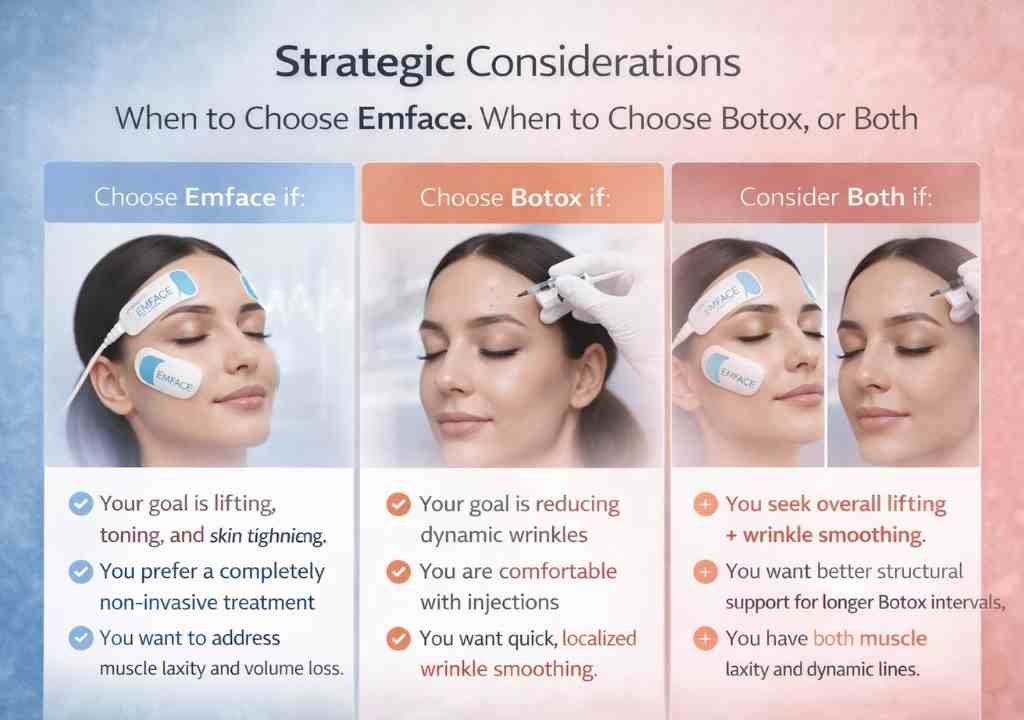
The choice between Emface and Botox largely depends on an individual’s primary aesthetic concerns, desired outcomes, and tolerance for injectables.
- Choose Emface if:
- Your primary goal is overall facial lifting, toning, and improved skin quality.
- You are looking for a completely non-invasive, needle-free solution.
- You want to address muscle laxity and volume loss in the face, creating a more youthful contour.
- You prefer a treatment with no downtime and natural-looking, progressive results.
- You are seeking a foundational treatment that enhances the underlying facial structure.
- Choose Botox if:
- Your main concern is the reduction of dynamic wrinkles (e.g., frown lines, crow’s feet, forehead lines) caused by muscle movement.
- You are comfortable with injections and minor potential side effects.
- You desire quick, targeted results for specific expressive lines.
- You are prepared for regular maintenance treatments every few months.
Synergistic Approaches: The Power of Combination Therapy
For many individuals, the most comprehensive and satisfying results in 2026 will come from a strategic combination of Emface and Botox. These treatments address different aspects of facial aging and can work synergistically:
- Emface provides the structural foundation: By toning facial muscles and stimulating collagen, Emface creates a natural lift and improves overall skin quality, addressing the root causes of facial aging related to muscle and collagen degradation.
- Botox refines the superficial details: It then precisely targets and relaxes the muscles responsible for dynamic wrinkles, smoothing out specific lines that Emface may not fully resolve due to its broader, lifting mechanism.
The 2026 Synergy Advantage: Recent clinical insights have revealed a secondary financial benefit to this duo. When facial muscles are toned and “lifted” by Emface, they provide better structural support, which puts less strain on the surface skin. This structural support can extend the interval between Botox sessions from the standard 12 weeks to as long as 16 weeks. Over time, this “longevity boost” reduces the number of annual Botox appointments needed, effectively lowering your long-term maintenance costs.
For instance, a patient might undergo a series of Emface treatments to lift the brows and cheeks, and then use Botox to soften persistent crow’s feet or deep glabellar lines. This combined approach offers a holistic rejuvenation strategy, addressing both muscle tone and dynamic wrinkles, leading to exceptionally natural and harmonious aesthetic outcomes.
The Evolution of Aesthetic Medicine: Why 2026 is the Year of Muscle Toning
The aesthetic industry is witnessing a significant shift towards treatments that offer more than just superficial corrections. The emphasis in 2026 is increasingly on rebuilding and strengthening the body’s natural architecture, rather than solely filling or relaxing. Emface embodies this philosophy by directly targeting facial muscle tone and stimulating the body’s own collagen production. This move reflects a growing demand for preventative and restorative treatments that provide long-lasting, natural-looking results, aligning with a broader wellness trend in healthcare. The advent of technologies like HIFES, which safely and effectively stimulates facial muscles, marks a turning point, offering a needle-free path to firmer, more youthful contours.
This paradigm shift underscores the value proposition of treatments like Emface, which contribute to the underlying health and strength of facial tissues. While neuromodulators like Botox will undeniably retain their critical role in managing dynamic wrinkles, the holistic, non-invasive muscle toning capabilities offered by technologies such as Emface are cementing their position as foundational elements of a truly advanced facial rejuvenation strategy in 2026 and beyond.
Conclusion: Navigating Your Aesthetic Journey with Informed Decisions
The comprehensive analysis of Emface vs Botox cost, efficacy, and treatment methodology highlights their distinct roles in the evolving landscape of aesthetic medicine. While Botox remains an unparalleled solution for dynamic wrinkle reduction, Emface emerges as a revolutionary option for holistic facial muscle toning, lifting, and skin tightening without injections or downtime. Understanding the nuances of each treatment, including their financial implications over time, is paramount for making decisions that align with personal aesthetic goals, budgetary constraints, and lifestyle preferences.
As 2026 solidifies its reputation as the year of muscle toning, the integration of advanced technologies like Emface into comprehensive treatment plans allows for bespoke aesthetic strategies. Consulting with a board-certified aesthetic practitioner is essential. A qualified expert can thoroughly assess individual facial anatomy, discuss aesthetic objectives, and recommend a personalized treatment plan, potentially combining Emface and Botox, to achieve the most harmonious, natural, and lasting results. This strategic partnership ensures that investments in facial rejuvenation yield optimal returns, both aesthetically and financially.
Addressing Your Aesthetic Goals: Frequently Asked Questions
What is the primary difference between Emface and Botox?
Emface utilizes synchronized radiofrequency (RF) and high-intensity facial electromagnetic stimulation (HIFES) to tone facial muscles and stimulate collagen, resulting in a lifting effect and improved skin quality. Botox, a neurotoxin, works by temporarily blocking nerve signals to muscles, reducing dynamic wrinkles caused by facial expressions. Emface focuses on muscle building and skin tightening, while Botox focuses on muscle relaxation to smooth wrinkles.
How does the cost of Emface compare to Botox in 2026?
In 2026, a full series of Emface treatments (typically four sessions) generally ranges from $4,000 to $6,000. Botox cost is usually calculated per unit or per area, with units priced from $10-$20. A single Botox treatment might cost $100-$600 depending on the area, but requires maintenance every 3-4 months, leading to an annual cost of $1,200-$3,000+ for multiple areas. Emface is a higher upfront investment for a foundational, longer-lasting effect, while Botox has lower per-treatment costs but higher annual recurring costs for consistent results.
Is Emface a suitable alternative to Botox for all wrinkles?
Emface is an excellent choice for overall facial lifting, toning, and improving skin laxity, which can indirectly reduce the appearance of some wrinkles by restoring facial volume and contour. However, it is not a direct replacement for Botox when it comes to intensely targeted dynamic wrinkles caused by strong muscle contractions (e.g., deep frown lines). For optimal results on both fronts, a combination of Emface for foundational toning and Botox for specific dynamic lines is often recommended.
What is the downtime and recovery for Emface vs Botox?
Emface is a completely non-invasive procedure with no downtime. Patients can resume normal activities immediately after a session, with only potential mild temporary redness. Botox involves injections, which may cause minor and temporary bruising, swelling, or redness at the injection sites. While generally considered a ‘lunchtime procedure,’ slight side effects can occur for a few hours to days.
How long do the results of Emface and Botox last?
The results from a full series of Emface treatments can last up to a year or longer, with maintenance sessions potentially extending these benefits. Optimal results are typically seen 6-12 weeks after the last session. Botox results generally last 3 to 4 months, after which follow-up injections are needed to maintain the wrinkle-reducing effects.
Can Emface and Botox be used together?
Yes, Emface and Botox can be used synergistically for comprehensive facial rejuvenation. Emface provides a foundational improvement in facial muscle tone and skin quality, while Botox can precisely target and smooth specific dynamic wrinkles. Many practitioners recommend a combined approach to address multiple signs of aging and achieve more harmonious and natural-looking results.
Further Reading & References
- The Power Duo: Why EMFACE and Botox Work Better Together (2026): An expert clinical review detailing how strengthening facial elevators with EMFACE creates a more stable structural foundation, allowing Botox to focus solely on surface-level expression lines for more natural, longer-lasting results.
- BTL Aesthetics: Clinical Evidence on Synchronized RF and HIFES Technology: Access to peer-reviewed multicenter studies and 3D evaluations that demonstrate the 37% wrinkle reduction and 30% increase in muscle tone that form the basis of Emface’s structural lifting efficacy.
- Aesthetic Trends 2026: The Shift Toward Muscle-Centric Facial Rejuvenation: A report on the 2026 “muscle-first” paradigm shift, explaining how targeting the underlying musculoaponeurotic framework—rather than just the skin—is redefining the standard for non-surgical facelifts and preventative aging.