

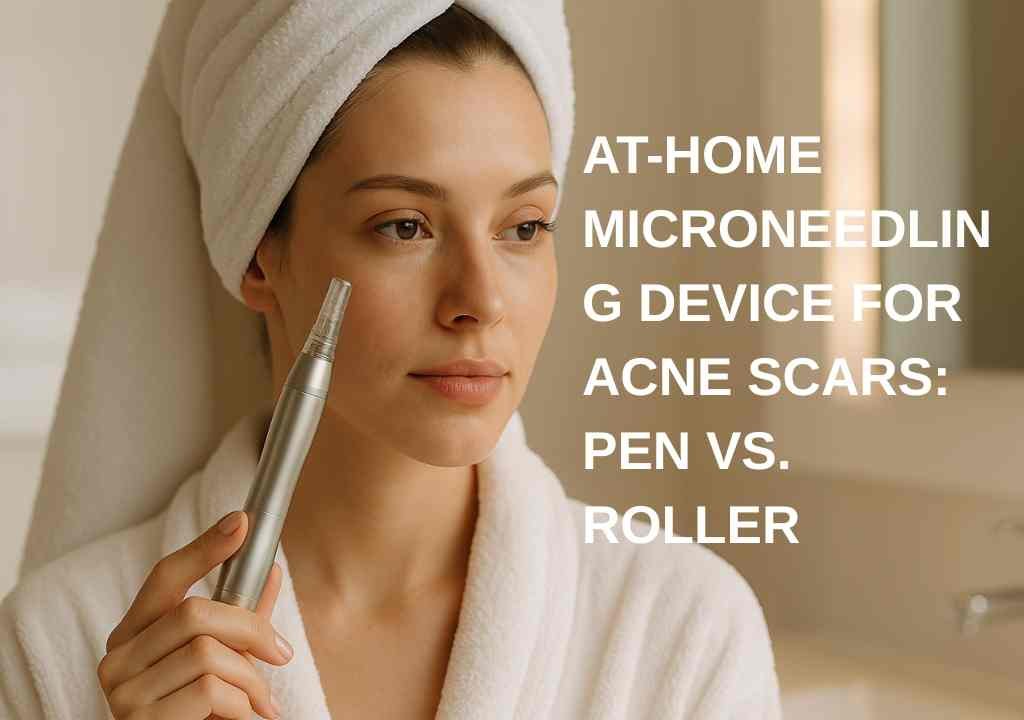
The quest for smoother, clearer skin is a deeply personal and often expensive journey, particularly for those grappling with the lingering reminders of past breakouts: atrophic acne scars. These depressed scars, which include ice pick, boxcar, and rolling types; are notoriously difficult to treat because they represent a loss of collagen and foundational skin tissue, not just surface discoloration. For years, the gold standard treatments, such as fractional laser therapy and clinical microneedling, required significant financial investment and professional downtime. This has fueled a massive surge in demand for safe, effective, and cost-effective alternatives.
The search term “at-home microneedling device for acne scars review” reflects a collective desire among consumers to harness the power of collagen induction therapy (CIT) from the comfort of their own bathrooms. However, bringing a professional-grade treatment home introduces a critical challenge: balancing clinical efficacy with user safety. The difference between achieving a visibly smoother complexion and causing irreversible hyperpigmentation or new scarring often comes down to the quality of the device, the choice between a manual roller or an electric pen, and, most crucially, understanding the safe limits of needle depth.
o explore gentle, science-backed options for fading dark spots and inflammation, check out our article on Fade Dark Spots Naturally: Science-Backed Remedies.
This comprehensive guide is designed to cut through the marketing noise and provide a factual, humanized, and medically informed review of at-home microneedling for acne scars. We will dissect the two primary device types, electric derma-pens and manual rollers; comparing their mechanism of action, safety profiles, and results potential. Furthermore, we will illuminate the essential role of potent serums, the unsung heroes of microneedling, which not only facilitate the treatment but also drive the regenerative healing process to deliver the visible skin improvements you seek. Navigating this powerful technology requires diligence and knowledge, and mastering these details is the first step toward reclaiming your skin’s confidence.
The Science of Collagen Induction: How Microneedling Repairs Scars
Microneedling, or Collagen Induction Therapy (CIT), works on a principle often termed “controlled injury.” The process involves creating thousands of microscopic punctures, or micro-channels, in the skin’s surface. This controlled trauma is interpreted by the body as an injury that requires immediate repair. In response, the skin floods the area with growth factors, initiating a cascade of healing that results in the generation of new, healthy collagen and elastin fibers in the papillary dermis.
For depressed acne scars, this neocollagenesis, the formation of new collagen is essential. As the new, structured collagen matures, it physically plumps and remodels the scar tissue from the base up, lifting the depressed area to the level of the surrounding skin. This natural repair process is gradual, which is why most users begin to see tangible improvements in skin texture and scar depth only after a few weeks, with optimal results requiring a series of consistent treatments. Understanding this mechanism reinforces the importance of using a device that can reliably and safely reach the necessary skin depth without causing excessive trauma or tearing.
To dive deeper into the biology of collagen and its role in skin repair, check out our detailed guide on Collagen Benefits in Skin – All About Collagen.
Disclaimer: This guide is for informational purposes only and does not replace professional medical advice. Always consult a board-certified dermatologist before beginning any at-home microneedling treatment, especially for acne scars.
Electric Derma-Pens vs. Manual Derma-Rollers: The Core Comparison
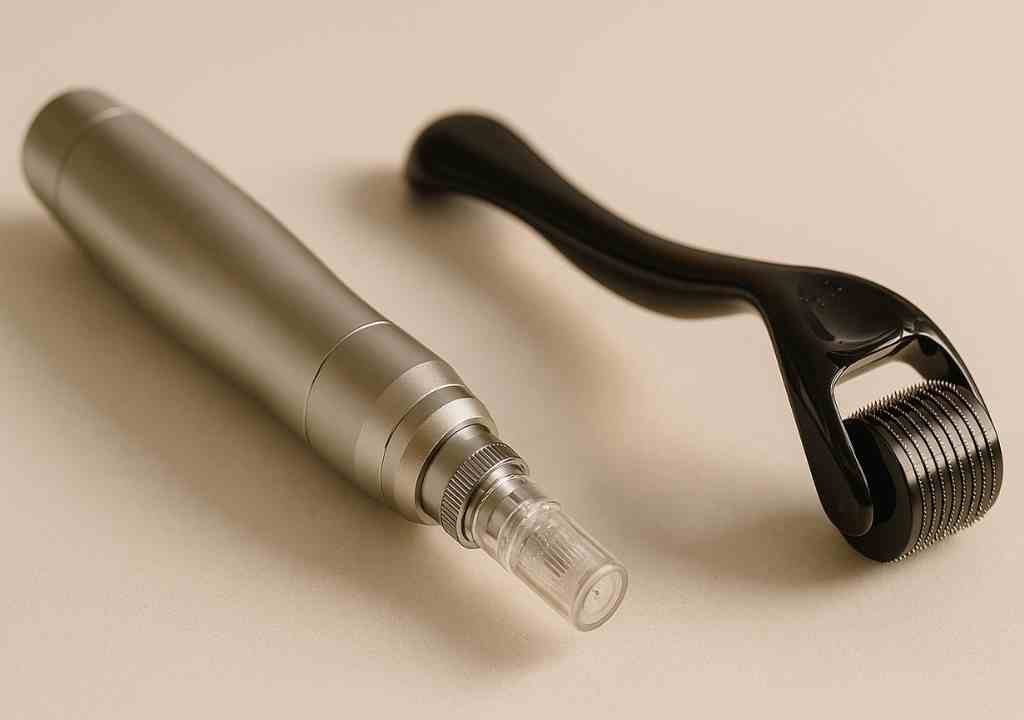
The choice between an electric microneedling pen (like a Dr. Pen) and a manual derma-roller is the single most critical decision an at-home user will make, as it directly impacts safety, consistency, and overall results. Both devices aim to create micro-channels, but their methodology is fundamentally different, which leads to significant differences in skin trauma and efficacy.
The Problem with Manual Derma-Rollers
A derma-roller is a cylindrical tool covered in hundreds of tiny needles. When rolled across the skin, the needles puncture the surface at an angle, rolling *in* and *out* of the skin. While cost-effective and simple to use, this angled entry and exit creates a major safety drawback: the potential for “tram track” scarring or skin tearing. Furthermore, manual rollers have a fixed needle length, meaning you must purchase an entirely new device for different areas (e.g., cheeks versus forehead), and their manual nature makes it difficult to apply even, consistent pressure across the entire treatment area, leading to uneven results.
The Precision of Electric Derma-Pens
Electric microneedling pens operate using a motorized tip that moves rapidly, stamping the needles vertically into and out of the skin. This vertical action is crucial, as it minimizes the risk of skin tearing, reduces overall trauma, and speeds up recovery time. The most significant advantage of the pen is its precision and customization: it allows for adjustable needle depth and often adjustable speed on a single device. This means a user can safely treat a thicker area like the cheeks at 1.0mm and then immediately adjust the depth to a safer 0.5mm for the forehead or neck without changing tools. This level of control closely mimics the precision of in-office professional treatments.
Comparison Table: Pen vs. Roller for At-Home Acne Scar Treatment
The following table summarizes the key distinctions between the two most popular at-home microneedling device types:
| Feature | Electric Derma-Pen (e.g., Dr. Pen) | Manual Derma-Roller |
|---|---|---|
| Needle Insertion | Vertical stamping action (minimizes skin tear). | Angled rolling action (higher risk of dragging/tearing). |
| Needle Depth Control | Adjustable depth on a single device (typically 0.25mm to 2.5mm, though at-home use should not exceed 1.0mm). | Fixed depth; requires purchasing multiple rollers for different needle lengths. |
| Precision/Consistency | High; motorized action ensures consistent needle penetration depth and speed. | Low; relies entirely on manual pressure, leading to inconsistent depth and uneven results. |
| Treatment Areas | Excellent for delicate and difficult areas like around the nose, eyes, and upper lip. | Poor for small, curved, or delicate areas due to the roller head size. |
| Cost | Higher initial investment, but lower long-term cost with replaceable cartridges. | Lower initial investment, but entire roller must be replaced regularly. |
The Critical Importance of Needle Length and Scar Depth
When treating depressed acne scars, the depth of the needle determines the efficacy of the treatment, yet it also defines the level of risk. The goal is to safely reach the papillary dermis, where the highest concentration of collagen-producing cells resides, without causing undue injury to the skin barrier.
Safe At-Home Needle Depths
For at-home microneedling, a strict maximum depth must be observed. Dermatologists generally recommend that home users never exceed 1.0mm on the face. Going beyond this depth significantly increases the risk of complications such as post-inflammatory hyperpigmentation (PIH), infection, and worsening of the scarring, particularly on individuals with darker skin tones.
- 0.5mm: This is the ideal starting and all-purpose length for reducing the appearance of mild acne scars, overall texture improvement, and stimulating significant collagen production. Treatments at this depth can typically be performed every two to three weeks.
- 1.0mm: This depth is reserved for more moderate acne scars, deeper wrinkles, and areas of thicker skin, such as the cheeks. Due to the deeper penetration and increased skin trauma, treatments at 1.0mm should be spaced out to no more than once every four to six weeks to allow for complete healing and the cycle of neocollagenesis.
- 0.25mm: Needles at this shallow depth primarily aid in boosting topical serum absorption, but they are generally too superficial to reliably induce the deep collagen remodeling required for significant scar reduction.
For more detailed professional recommendations on needle length selection and why 0.5mm is generally preferred for safe collagen stimulation at home, see Banish’s guide to needle size for at-home microneedling.
Potent Serums: Maximizing Collagen Induction and Scar Repair
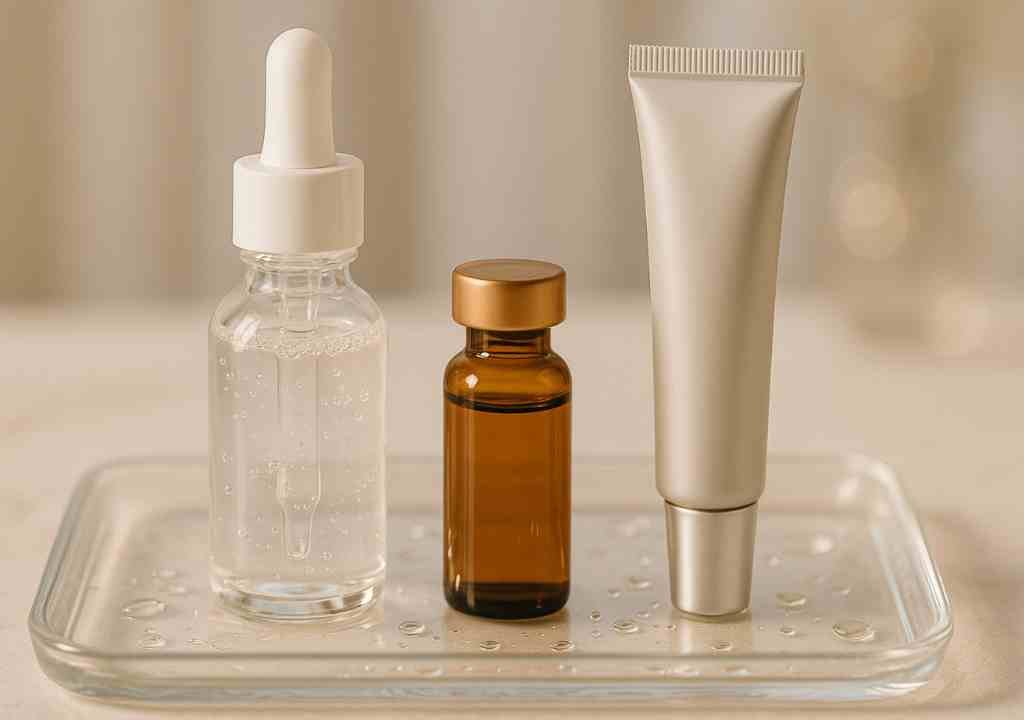
Microneedling creates temporary micro-channels that increase the skin’s permeability, potentially allowing for up to 300% better absorption of topical products. This heightened absorption is a powerful tool, but it is a double-edged sword: beneficial ingredients are super-charged, but harsh, irritating ones can cause a severe reaction. Selecting the correct, potent serum is vital for maximizing results and ensuring rapid healing.
The ‘Must-Have’ Serums for Scar Treatment
The best serums for use during and immediately after at-home microneedling focus on hydration, anti-inflammatory properties, and cellular regeneration:
- Hyaluronic Acid (HA): This is the undisputed champion for microneedling. HA not only acts as a superb glide medium for the device, reducing drag and friction, but its primary benefit is deep hydration and plumping. Since the skin barrier is temporarily compromised, a simple, pure hyaluronic acid serum replenishes moisture and promotes a dewy, plump appearance post-treatment, minimizing the appearance of fine lines and helping the micro-channels close safely.
- Peptides: Short chains of amino acids, peptides are the building blocks of protein and are crucial for skin repair. When microneedled, certain peptide serums signal the skin to accelerate wound healing and collagen production, directly supporting the scar-remodeling process.
- Growth Factors (EGF): Epidermal Growth Factors (EGF) are naturally occurring proteins that decline with age. Applying a serum rich in EGF can significantly boost cell turnover and speed up skin regeneration, which is highly beneficial for healing acne scar tissue and reducing post-inflammatory marks (hyperpigmentation).
- Niacinamide (Vitamin B3): An excellent choice for acne-prone skin, niacinamide helps reduce inflammation, calm redness, and enhance the skin’s barrier function. Used in the days following the treatment, it can aid in a smoother, less irritated recovery.
Serums to Strictly Avoid
The increased absorption means certain highly active or irritating ingredients should be avoided for several days before and after the treatment:
- Retinoids (Retinol, Tretinoin): Their highly active nature and potential for irritation make them dangerous when microneedled deeply into the skin.
- High-Concentration Vitamin C (Ascorbic Acid): While Vitamin C is a great antioxidant, its acidic nature can cause a painful, inflammatory reaction when driven deep into the dermis.
- Harsh Acids (AHAs/BHAs): Glycolic, salicylic, and lactic acids should be stopped well in advance and avoided post-treatment until the skin has fully recovered.
For additional ingredient support that promotes collagen and skin healing, our guide on 5 Best Beauty Vitamins For Glowing Skin covers essential vitamins that work well alongside microneedling.
⭐ Top Dermatologist-Recommended At-Home Microneedling Devices for Acne Scars
Choosing the right at-home microneedling device for acne scars is just as important as understanding needle depth and safety protocols. Device quality determines whether you achieve real collagen induction or risk irritation and uneven results. Below are the most trusted, dermatologist-favored options that provide safe, consistent performance for beginners and advanced users alike.
1. Dr. Pen A6S – Best Professional-Level Results at Home
A premium dual-mode device offering powerful vertical stamping, adjustable needle depth, and exceptional stability. Ideal for those who want clinic-like precision for mild to moderate atrophic scars.
2. Dr. Pen M8 – Best for Beginners Seeking Smooth Control
Known for its smooth motor and ergonomic grip, the M8 delivers controlled, comfortable treatments, making it a top starting point for users who want a reliable at-home microneedling device for acne scars without an overwhelming learning curve.
3. Banisher 2.0 Stamp – Best Manual Option for Targeted Scarring
If you prefer a manual device, the Banisher Stamp is significantly safer than traditional rollers due to its vertical stamping action. It is effective for precise spot-treatments on boxcar and rolling scars.
⭐ Best Serums to Use with At-Home Microneedling for Acne Scar Repair
Serums play a critical role in maximizing results from your at-home microneedling device for acne scars. Because micro-channels significantly increase absorption, choosing gentle, regenerative formulations is essential for collagen building and reducing inflammation.
1. Pure Hyaluronic Acid (HA) – Essential for Slip + Hydration
Provides deep hydration, supports healing, and reduces friction during treatment. A must-have base for any microneedling session.
2. Peptide Complexes – Boost Collagen Remodeling
Peptides signal the skin to accelerate repair, helping to rebuild lost collagen in depressed scars. They work synergistically with microneedling’s wound-healing cascade.
3. EGF Serums (Epidermal Growth Factors) – Speed Up Regeneration
EGFs promote faster cell turnover and enhance dermal remodeling, making them highly effective for softening post-acne scarring and improving texture over time.
Before-and-After Expectations and The Power of Consistency
One of the most engaging aspects of any at-home microneedling device for acne scars review is the promise of verifiable results. It is important to temper expectations with the reality of biological healing. Microneedling is not a single-session cure; it is a cumulative therapy.
Initial results are often textural—a reduction in pore size, an immediate glow from increased circulation, and dramatically improved absorption of skincare products. Users frequently report that their skin feels softer and firmer within days of the first session. However, the real prize, a reduction in the depth and appearance of atrophic acne scars takes patience.
Collagen synthesis takes time. It can take up to four to six weeks for the new collagen to begin forming and remodeling the scar tissue visibly. Most studies and long-term user reports suggest that a course of three to six consistent sessions, spaced according to the needle length used (2-6 weeks apart), is necessary to achieve a significant, lasting improvement in moderate acne scarring. Results of up to 40% improvement in scarring after six weeks have been reported from one professional-grade session, indicating the dramatic potential of regular, safe treatments.
Sterilization and Safety Protocols: The Non-Negotiables
The convenience of at-home treatment must never compromise safety. Since microneedling breaks the skin barrier, the risk of infection and cross-contamination is high if protocols are ignored. This is particularly vital for acne scars, where existing bacteria could be driven deeper.
Sterilization Mandates
- For Rollers (If Used): Rollers are notoriously difficult to clean properly due to the fixed, non-replaceable needles. If you choose a roller, it must be soaked in 70% isopropyl alcohol for 10 minutes both before and after every single use.
- For Pens: The disposable needle cartridges on electric pens offer a superior safety profile. The cartridges are single-use and should be discarded immediately after the treatment. The pen itself only requires a wipe-down of the handle.
- Skin Prep: The skin must be thoroughly cleansed and dried immediately before the procedure. Never microneedle over active acne, pustules, or broken skin, as this will spread bacteria and worsen the breakout or scarring.
If you want a step-by-step guide to safe pre-treatment preparation, you can learn how to prepare your skin properly before microneedling to ensure your skin is clean, calm, and ready for the procedure.
A Note on Medical Guidance and Risk
While at-home devices offer a compelling cost-saving advantage, it is critical to acknowledge that the deepest, most transformative treatments for severe scarring still reside in a clinical setting. Dermatologists use longer needles (1.5mm to 2.5mm) and combine microneedling with other procedures like PRP (Platelet-Rich Plasma) or energy-based modalities to achieve results not safely possible at home. If your acne scars are deep, severe, or resistant to initial at-home treatments, a consultation with a board-certified dermatologist remains the safest and most effective course of action. They can assess your specific scar type (ice pick, boxcar, rolling) and recommend the precise depth and combination therapy needed.
Individual differences in skin biology also influence how well your skin heals and responds to collagen stimulation. If you’re curious about how your genetic profile affects skin aging, repair, and collagen behavior, explore our guide on DNA-Based Skincare: The End of the Skincare Guessing Game.
Informed Choices for Lasting Results
At-home microneedling has established itself as a verifiable, cost-effective method for improving the appearance of mild to moderate atrophic acne scars and overall skin texture. The efficacy of the treatment hinges on two primary factors: the device’s ability to create clean, vertical micro-channels for optimal collagen induction, and the strategic use of potent, non-irritating serums to support rapid healing.
Between the two main options, the electric derma-pen emerges as the superior choice due to its adjustable depth, vertical stamping mechanism, and enhanced safety profile, providing a more consistent and clinically comparable result than the manual roller. By adhering to the safe at-home depth maximum of 1.0mm, selecting serums rich in Hyaluronic Acid and Peptides, and maintaining rigorous sterilization protocols, consumers can confidently begin their journey toward minimized scarring and a beautifully revitalized complexion. The key to success is not a single miracle session, but rather a commitment to safe, consistent application, allowing the skin the time and opportunity to build the new collagen foundation it needs for lasting smoothness.
Frequently Asked Questions (FAQs)
What is the maximum needle length I can safely use at home for acne scars?
The widely recommended maximum needle length for safe at-home facial microneedling is 1.0mm, though many experts advise starting at 0.5mm, especially for beginners. Needles longer than 1.0mm penetrate too deeply for safe self-application, increasing the risk of adverse effects like pain, infection, hyperpigmentation, and the creation of new scar tissue, which necessitates professional supervision. For mild scarring and general texture improvements, a 0.5mm needle is often sufficient to stimulate meaningful collagen production without extensive downtime.
How often should I perform at-home microneedling to see results on scars?
The frequency of your treatments is directly linked to the needle depth you use. For a moderate depth of 0.5mm, treatments can be performed approximately once every two to three weeks to maintain the collagen-induction process. If you are using the deeper 1.0mm length for more persistent scars, you must wait longer, with a recommended minimum of four to six weeks between sessions to ensure the skin has fully recovered and the new collagen cycle has matured. Consistency over several months is more effective than aggressive, frequent sessions.
Can I use my regular Vitamin C or Retinol serum with microneedling?
You should strictly avoid applying retinoids (like retinol) or high-concentration, low-pH Vitamin C (L-Ascorbic Acid) serums immediately before or after microneedling. These potent ingredients can become highly irritating and reactive when driven deep into the micro-channels, leading to inflammation, prolonged redness, or post-inflammatory hyperpigmentation. Instead, focus on soothing, hydrating ingredients like Hyaluronic Acid, Niacinamide, and Peptides during the healing window, and resume your regular active serums only once the skin is completely healed, which is typically 3-5 days later.
What type of acne scars respond best to at-home microneedling?
At-home microneedling is most effective for treating superficial to moderate **atrophic scars**, which are depressed scars resulting from a loss of collagen. This includes shallow boxcar scars and rolling scars, where the goal is to build new collagen to elevate the depressed skin. However, deep ice pick scars, which are narrow and deep, are typically too severe for the depth limitations of safe at-home devices and require deeper, professional-grade treatments (1.5mm+), often combined with specialized techniques like TCA CROSS or punch excision.
Is a manual derma-stamp safer than a derma-roller?
A manual derma-stamp is generally considered a safer manual option than a traditional derma-roller because it punctures the skin vertically rather than rolling in and out at an angle. This stamping action minimizes the risk of skin tearing and the characteristic “tram track” scarring often associated with rollers, providing a cleaner micro-injury. However, an electric derma-pen with its motorized, rapid, and precise vertical stamping, coupled with adjustable depth, is still considered the most advanced and safest at-home device for consistent and customizable treatment.
The Bottom Line: Making the Right Choice for Acne Scar Treatment
The ultimate solution for at-home acne scar treatment is a clear preference for the electric microneedling derma-pen over the manual roller. The ability of the pen to deliver precise, vertical micro-channels at an adjustable depth up to the safe 1.0mm limit is crucial for consistent collagen induction and minimizes the risk of the angled skin tearing inherent to rollers. This precision is non-negotiable when targeting depressed acne scars, where safety and consistent penetration depth are paramount to achieving true dermal remodeling and avoiding complications like hyperpigmentation.
To maximize this transformative at-home procedure, the choice of topical agent is equally important, demanding a synergistic approach. Users must pair their sessions with simple, pure, and potent post-treatment serums like Hyaluronic Acid and Peptides to facilitate healing, deeply hydrate the skin, and supply the necessary building blocks for new collagen. By prioritizing the safety and precision of a quality electric pen and coupling it with carefully selected dermaceuticals, you can confidently turn a cost-effective alternative into a powerful, verifiable path toward significantly minimizing the appearance of acne scars and achieving a visibly smoother, firmer complexion.